
Morocco tomato virus
Tombusvirus moroccoense
The causal agent is Tombusvirus moroccoense, a member of the genus Tombusvirus within the Tombusviridae family. These are small, spherical virions known for their remarkable environmental stability.
What the section contains
Morocco tomato virus
The virus consists of a single-stranded RNA structure, which allows it to persist for extended periods in soil and plant debris. Because of its resistance to common disinfectants and varying pH levels, the pathogen is extremely difficult to eliminate.
Infection begins when viral particles enter the plant through micro-wounds in the tissue. Once inside the cell, the virus hijacks the host's machinery to replicate itself, eventually leading to a systemic infection throughout the plant organism.
The virus is often considered a quarantine threat due to its ability to spread rapidly via substrates, seeds, and contaminated farming equipment. Its biological persistence makes standard disinfection protocols insufficient.
The virus is highly adapted to water-based transmission, capable of remaining infectious in irrigation water or damp soil for many months, waiting for a suitable host to contact.
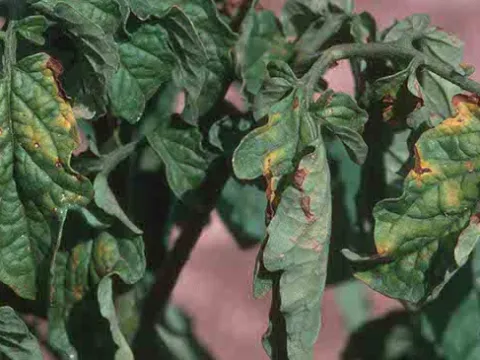
Primary symptoms include chlorotic mosaic on leaves and systemic deformation of leaf blades. Plants often appear stunted, with significantly shortened internodes, leading to a compact and unhealthy appearance.
Fruit symptoms are particularly destructive, often presenting as necrotic spots, mottling, or irregular color changes that ruin market quality. The virus also induces premature flower and fruit drop.
A specific sign is a severe chlorosis that starts in the younger leaves and gradually spreads to the entire plant. In some instances, the apical growth points stop developing entirely.
When the roots are affected, which often occurs through soil-borne transmission, the plant exhibits signs of wilting even when moisture levels are sufficient. Roots may turn brown and lose their ability to absorb nutrients and water effectively.
- Yellowing and leaf mosaic patterns.
- Deformation of leaves and fruits.
- Stunted plant growth.
- Reduced fruit yield and quality.
- Premature aging of plant tissues.
High soil moisture is the primary condition for disease development, as the virus transmits efficiently through irrigation water and contaminated substrates. The pathogen is highly mobile in water solutions.
Temperature plays a vital role in viral activation. Optimal conditions for viral spread usually coincide with the warm, temperate environments typical of greenhouses and indoor cultivation facilities.
Mechanical transmission is a major concern during routine agricultural practices such as pruning, trimming, or harvesting. Contaminated tools act as the main vector for moving the virus between individual plants.
The presence of weeds in or around the growing area creates a reservoir for the virus. Many weed species can remain asymptomatic carriers, harboring the pathogen throughout the off-season.
Plant density directly impacts the rate of spread. In crowded plantings, constant contact between healthy and infected tissues allows the virus to sweep through a field or greenhouse rapidly.
The harm caused by Tombusvirus moroccoense is primarily expressed through significant losses in crop productivity. Depending on the infection severity, yield losses can range from 30% to 80%.
Beyond quantity, fruit quality suffers immensely. Fruits become unmarketable due to spotting and deformation, leading to severe economic losses for producers and greenhouse operators.
Viral infection leaves plants immuno-compromised, making them highly susceptible to secondary fungal and bacterial attacks. This synergy often leads to total crop failure in infected areas.
The persistence of the virus in soil necessitates expensive interventions, such as complete soil replacement or sterilization, which adds heavy financial burdens to production costs.
Because there are no curative treatments for viral diseases, the only viable strategy is the eradication of symptomatic plants, which results in the loss of all resources invested in those crops.
The most important control strategy is the strict adherence to phytosanitary protocols. Only certified, virus-free seeds and healthy transplants should be used in production.
Regular disinfection of all tools, containers, and equipment is mandatory. Using specialized disinfectant solutions on hands and gear after every contact with plants is essential to prevent horizontal spread.
Once identified, infected plants must be immediately isolated and destroyed—preferably via incineration—to prevent further contamination of the greenhouse or field.
To minimize soil-borne transmission, producers should utilize soil steaming or switch to inert, sterilized hydroponic substrates. These methods significantly lower the risk of infection.
Ongoing weed control and strict crop rotation cycles help reduce the overall infectious pressure, preventing the virus from building up to dangerous levels in the growing environment.