
Mononegavirales
Mononegavirales
Mononegavirales is an order of viruses characterized by a non-segmented, negative-sense, single-stranded RNA genome.
What the section contains
Mononegavirales
In the field of plant pathology, this order includes viruses that cause significant diseases in various agricultural and horticultural crops, primarily within the family Rhabdoviridae.
The viral particles typically exhibit a bullet-like or bacilliform morphology, which is critical for identification during specialized laboratory analysis.
The viral replication process occurs within the host cells, utilizing specific viral proteins to produce messenger RNA and replicate the genomic material.
These viruses rely on cellular mechanisms to synthesize proteins necessary for forming new viral particles, which then spread systematically throughout the host plant.
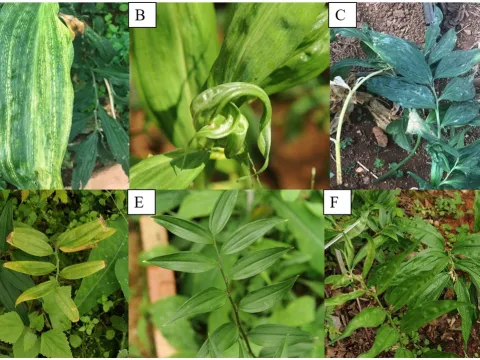
Typical symptoms of infection include chlorosis, where leaves develop yellow spots or mosaic patterns that reduce the efficiency of photosynthesis.
Plants often exhibit stunted growth and structural deformations, such as twisted leaves or distorted stems, disrupting normal development.
In many cases, the reduction in internode length results in a dwarfed appearance, making the plants visually distinct from healthy specimens.
Necrosis can occur on specific plant parts, leading to localized tissue death and potentially systemic wilting of the vegetative organs.
Roots may also show signs of weakened development, which negatively affects the plant's overall ability to absorb water and essential nutrients.
The spread of these viruses is largely dictated by the population dynamics of insect vectors, such as aphids, leafhoppers, and thrips, which transmit the virus while feeding.
Favorable climate conditions, including warm temperatures and adequate humidity, accelerate the reproduction rates of these vectors, increasing transmission risk.
Reservoir hosts, including weeds and surrounding wild vegetation, act as long-term sources of infection that can bridge the gap between growing seasons.
Poor agricultural practices, such as lack of crop rotation or high-density planting, can create an environment that encourages rapid disease transmission.
Migration of insect vectors from infected wild plants to vulnerable crops is a critical factor leading to the onset of field epidemics.
The economic impact of Mononegavirales infections is severe, as they systematically compromise plant health and significantly reduce crop yields.
Viral infection leads to a decrease in produce quality, making fruits and vegetables deformed, smaller, and unsuitable for market consumption.
Infected plants display a weakened immune response, making them more susceptible to secondary stressors like drought and opportunistic fungal pathogens.
Total yield losses can occur in severe cases, forcing farmers to abandon fields or undertake costly replanting measures.
Long-term infections within an agricultural ecosystem can diminish the profitability of a farm by reducing the sustainability of the affected crop types.
Effective management focuses on controlling the vector populations using timely and precise applications of systemic insecticides.
Using certified virus-free seeds and transplants is the most effective preventative measure against initial infections.
Sanitation practices, such as removing weed reservoirs and infected plant debris, help limit the presence of the virus in the field environment.
Implementing spatial isolation between fields helps to prevent the rapid migration of insect vectors between different crop species.
The primary long-term solution lies in developing and planting resistant or tolerant crop varieties that can maintain health despite viral exposure.