
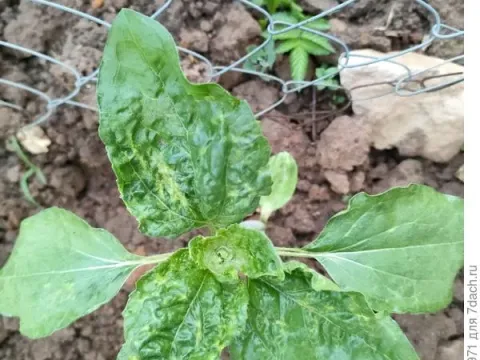
Sunflower crinkle
Sunflower crinkle
The causal agent of this condition is the Sunflower crinkle virus. This pathogen infects the vascular system of the plant, severely disrupting metabolic and physiological processes.
What the section contains
Sunflower crinkle
The virus is primarily transmitted by insect vectors. Aphids act as the main vector, acquiring the virus while feeding on the phloem of infected host plants and then transferring it to healthy crops.
The biological cycle of the virus is deeply integrated with the behavior of its vectors. The virus remains within the insect's body, allowing for efficient transmission during colonization flights.
Mechanical transmission via agricultural machinery is theoretically possible but plays a minor role in the epidemiological spread of the virus compared to insect-mediated transmission.
Research into the virus's genetics is ongoing, as various strains may exist, leading to different symptom manifestations depending on regional environmental conditions.
The hallmark of the disease is the severe deformation of leaves, characterized by a crinkled, corrugated, and puckered appearance, which is why the disease is commonly named "crinkle."
Leaf veins often become thickened and distorted. The leaf surface frequently exhibits a mosaic pattern with patches of light and dark green, indicating chlorotic and necrotic changes.
Infection during early growth stages results in distinct stunting. Shortened internodes cause the plant to appear bushy, with leaves forming a dense, rosetted cluster rather than developing normally.
Generative symptoms include the development of malformed or distorted flower heads. Seed set is often poor, with many seeds remaining empty or small, significantly reducing overall plant productivity.
It is crucial to distinguish Sunflower crinkle from herbicide injury or nutritional deficiencies. Viral symptoms are systemic, typically showing a spread pattern that follows insect vector activity.
The spread of the virus is strongly correlated with aphid population densities. Outbreaks are most common during dry, warm weather when insect migration reaches its peak.
Weed management plays a critical role. Many weed species act as perennial reservoirs for the virus, allowing it to survive between cropping seasons and providing a source of inoculum.
High crop density can facilitate rapid virus spread. Dense canopies create microclimates that attract insect vectors and allow them to move easily between plants.
Temperatures ranging from 20 to 25 degrees Celsius optimize the activity and metabolism of aphid vectors, significantly increasing the rate of viral transmission throughout the field.
Continuous cropping of sunflowers in the same area creates a reservoir of both the virus and its vectors, leading to increased pressure and severity of the disease over time.
The economic impact of Sunflower crinkle stems from a sharp decline in photosynthesis. The plant's inability to produce sufficient energy directly hinders its growth and maturation.
Yield losses can be substantial, often ranging from 30% to 50% in heavily infested areas. Early-season infections are particularly damaging to total oilseed output.
Quality parameters are severely degraded, including lower oil content and reduced thousand-seed weight. The grain produced is often of poor market quality and low density.
The disease weakens the host plant's immune response, making it highly susceptible to secondary infections like stalk and head rots, which further complicate the harvest.
Systemic viral infection disrupts the transport of assimilates from leaves to the reproductive organs, rendering the sunflower unable to fill its seeds properly regardless of water availability.
- Insecticidal control of aphid populations during the early vegetative stages.
- Strict weed management to eliminate host reservoirs for the virus and vectors.
- Selection and planting of virus-resistant or tolerant sunflower hybrids.
- Implementation of spatial isolation from previous year's sunflower residues.
- Crop rotation with non-host species to break the viral life cycle.
Early diagnosis is vital. Regular field scouting for aphid colonization allows for targeted application of systemic insecticides before the virus can spread throughout the field.
A balanced fertilization program supports the plant's physiological strength, helping it better withstand the stress caused by the viral infection.
Promoting natural enemies of aphids, such as lady beetles and lacewings, can provide biological suppression of the vector population without heavy reliance on chemicals.
Adjusting planting dates to avoid the peak periods of aphid migration can be an effective prophylactic strategy to reduce the overall infection rate in susceptible crops.