
Solemoviruses
Solemoviridae
Solemoviruses (family Solemoviridae) are a group of single-stranded RNA viruses known for infecting a wide range of agricultural crops, including cereals and other economically important species.
What the section contains
Solemoviruses
These viruses act as obligate parasites, hijacking the host plant's cellular machinery to replicate their genome and produce viral proteins, which ultimately causes systemic infection within the plant.
The transmission of Solemoviruses primarily occurs via insect vectors, such as beetles or leafhoppers, which acquire the virus while feeding on infected tissue and transmit it to healthy plants.
Once inside, the virus moves through the phloem and xylem, spreading systematically throughout the entire plant, disrupting essential physiological functions like photosynthesis and nutrient transport.
Scientific characterization of these viruses is essential for modern diagnostics, as molecular identification allows for the development of specific assays to track and manage outbreaks in the field.
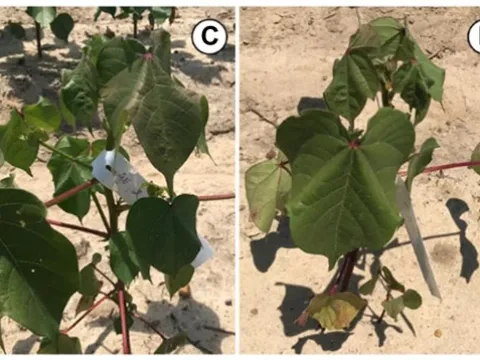
Common symptoms of Solemovirus infection include chlorotic spotting, mosaic patterns, and overall yellowing of the leaves, which reflects the degradation of chlorophyll-containing tissues.
Infected crops often show significant stunting, reduced height, and deformed growth, as the virus diverts energy away from development towards its own replication.
Cereal crops may exhibit specific signs such as leaf streaking or mottling, often leading to the formation of distorted heads and shriveled grains that fail to mature properly.
Under severe pressure, necrotic lesions may appear on the foliage, which can sometimes be confused with bacterial or fungal leaf spots if not inspected by a professional.
- Chlorotic or yellow mosaic patterns on leaf blades.
- Reduced plant vigor and overall stunted appearance.
- Deformation of reproductive structures or grain heads.
- Increased susceptibility to secondary infections.
The spread and prevalence of Solemoviruses are heavily influenced by the presence and activity of insect vectors, which thrive in warm and humid climates during the growing season.
Weed hosts in or near agricultural fields act as reservoirs for the virus, allowing it to survive between crop cycles and providing a source of primary infection for newly planted crops.
Agronomic practices, including planting time and field location relative to previous host crops, play a significant role in determining the severity of infection in a given year.
Environmental conditions that favor the rapid reproduction and migration of vectors increase the probability of widespread transmission throughout the crop field.
Failure to implement effective field sanitation can lead to a rapid buildup of the pathogen, as the virus can be carried long distances by moving insect populations.
The primary economic impact of Solemoviruses is a substantial reduction in crop yield and quality due to the systemic nature of the infection and metabolic disruption.
Reduced grain weight and impaired seed viability make infected harvests less profitable and unsuitable for use as future seed stock, perpetuating the infection cycle.
Plants affected by these viruses suffer from reduced tolerance to abiotic stressors such as drought, extreme temperatures, or nutrient deficiencies, leading to further losses.
Costs associated with managing vector populations and the loss of produce often put significant financial strain on agricultural enterprises, especially in high-pressure regions.
The cumulative damage often results in decreased marketability of the crop, as the overall appearance and uniformity of the harvest are negatively affected by the disease.
Managing Solemoviruses requires a multifaceted strategy focused on controlling vector populations through the timely application of systemic insecticides during critical periods.
Implementing effective weed control measures is essential to eliminate reservoirs of the virus, thereby breaking the chain of transmission from wild hosts to crops.
Planting resistant or tolerant cultivars is the most sustainable long-term solution for reducing the impact of Solemovirus infections in commercial agriculture.
Spatial isolation and maintaining proper crop rotation schedules are effective practices that help minimize the exposure of new crops to lingering viral inoculum.
Regular monitoring of fields for early symptoms and vector activity allows for localized intervention, preventing a small outbreak from developing into a field-wide epidemic.