
Potyvirus
Potyvirus
Potyvirus represents the largest genus of plant viruses within the Potyviridae family. These are plant pathogens characterized by a single-stranded RNA genome and a distinct morphology featuring flexible filamentous particles.
What the section contains
Potyvirus
The viral genome is encased in a protein coat that encodes specialized proteins, facilitating successful infection within plant host cells. In natural field environments, transmission occurs primarily in a non-persistent manner via insect vectors.
Aphids are the primary vectors of Potyviruses; they acquire the virus while feeding on infected plant tissues and rapidly transmit it to healthy plants. Additionally, the virus can be spread mechanically or through contaminated planting material.
The Potyvirus genus includes numerous economically significant viruses, such as Potato virus Y, Sugarcane mosaic virus, and Sweet potato feathery mottle virus. High viral variability complicates the breeding of resistant plant cultivars.
The biology of the pathogen is closely linked to the host cell metabolism, where the virus suppresses plant defense mechanisms, effectively diverting nutrients to support its own replication cycle.
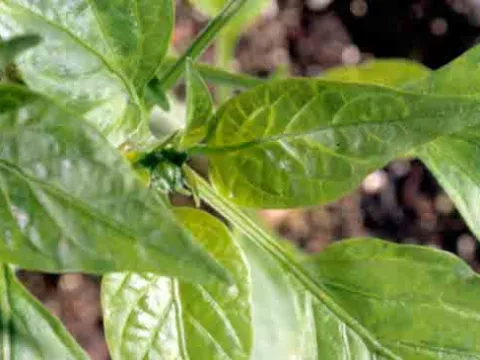
Symptoms of Potyvirus infection are highly diverse, most commonly appearing as systemic chlorosis, mosaic leaf patterns, and the formation of light-colored bands or rings.
A characteristic sign often includes deformation of the leaf lamina, causing curling, wrinkling, or puckering, which significantly impairs the plant's photosynthetic capacity.
In crops like sweet potato, infection may manifest as vein yellowing and stunted overall growth. In root crops, the virus often causes a reduction in quality and physical distortion of the tubers.
In certain instances, necrosis of specific tissue areas on leaves, stems, or roots is observed, which can lead to premature senescence and dieback of the plant's vegetative mass in severe cases.
During early infection stages, symptoms may be mild, but they eventually become systemic, affecting all plant organs, which serves as a definitive diagnostic criterion for viral diseases.
The active development and spread of Potyviruses are directly correlated with the population density of insect vectors, particularly aphids, within the field.
Warm and humid weather conditions facilitate the rapid reproduction of infection vectors and their migration to young plant stands, significantly increasing the risk of primary field infection.
The presence of alternative hosts, such as weed species, is a critical factor in the virus's survival between seasons. Many perennial weeds serve as natural reservoirs for the accumulation of viral inoculum.
Agronomic factors, including high planting density, improper nitrogen fertilizer application, and a lack of tool sanitation, can provoke a faster spread of the virus throughout the agro-ecosystem.
Infected planting material, such as sweet potato cuttings or tubers, serves as a primary source for introducing the infection into new cultivation areas.
The harm caused by Potyviruses lies in significant yield reductions, which can reach 30–70% of potential field output during epiphytotic years.
Beyond direct biomass loss, the disease negatively impacts product quality: it deteriorates the organoleptic properties of fruits and reduces the content of essential sugars and vitamins.
Viral infections weaken plants, making them more susceptible to secondary bacterial and fungal pathogens, which often leads to total loss of marketability.
When planting material (tubers, roots) is infected, the virus accumulates in the tissue, rendering it unsuitable for subsequent vegetative propagation due to the degeneration of cultivars.
Economic losses include expenditures for purchasing certified virus-free seed stock, costs associated with pest control, and financial losses resulting from the culling of substandard produce.
The primary control strategy involves the use of certified virus-free planting material, often produced through meristem culture techniques.
Regular monitoring and eradication of weed species around field perimeters are essential, as these serve as reservoirs for both the viruses and their insect vectors.
The application of insecticides targeting aphid populations can significantly reduce the rate of viral transmission, provided treatments are initiated promptly before mass migration occurs.
Spatial isolation of new plantings from older, infected fields is a crucial practice, alongside crop rotation with non-host species to break the viral disease cycle.
Strict phytosanitary hygiene, including the disinfection of pruning tools and equipment, is vital to prevent the mechanical transmission of the virus during routine cultivation and maintenance.