
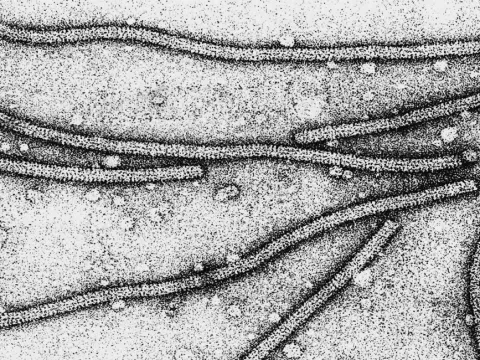
Asparagus virus triasparagi
Potexvirus triasparagi
The causative agent of the disease is Potexvirus triasparagi, a virus belonging to the genus Potexvirus. The viral particles possess a characteristic filamentous morphology and contain a single-stranded RNA genome.
What the section contains
Asparagus virus triasparagi
This pathogen is a highly specialized virus that primarily infects species within the Asparagus genus. Its biological nature allows it to spread systemically throughout the host plant's vascular system.
The virus is primarily transmitted through mechanical means, making agricultural tools and cultivation practices the most significant risk factors. Additionally, transmission can occur through direct contact between infected and healthy plants.
Research indicates that Potexvirus triasparagi maintains a persistent nature within plant tissues. The virus can reside in the perennial rootstocks for an extended period, leading to latent, hard-to-eradicate infections.
Unlike some other viruses, Potexvirus triasparagi may not always cause acute symptoms, yet it continuously depletes the plant's physiological resources over time, leading to gradual decline.
Symptoms of Potexvirus triasparagi infection often manifest as chlorotic spots or a mosaic pattern on the asparagus cladodes. These signs can vary depending on the cultivar and environmental conditions.
Stunted shoot growth is a common observation, resulting in thinner and weaker stems compared to healthy plants in the same plantation. This growth inhibition significantly affects the yield.
Deformation of young shoots and changes in color to paler or yellowish hues are frequently reported. Affected plants show decreased resilience to adverse environmental stressors.
The virus may trigger premature yellowing and dieback of the vegetative biomass at the end of the season, effectively reducing the photosynthetic surface area for the next cycle.
It is crucial to recognize that the symptoms can be latent, meaning plants may appear healthy while acting as asymptomatic carriers of the virus to the rest of the crop.
The main condition for viral spread in field environments is high planting density. Close proximity between aerial plant parts makes contact and subsequent viral transmission inevitable.
Agricultural practices, specifically mechanical shoot harvesting, are primary transmission routes. If tools are not regularly disinfected, they act as vectors, spreading the virus across the field.
The development of the virus is closely tied to the plant's physiological status. Crops weakened by nutrient deficiency, drought, or waterlogging are more susceptible to systemic infection.
Temperature and humidity levels influence the plant's metabolic activity, which indirectly determines the rate of viral replication. Favorable conditions for asparagus growth are often optimal for viral spread as well.
Lack of crop rotation and the use of infected planting material are critical factors that contribute to the accumulation of Potexvirus triasparagi in commercial production areas.
The economic impact of the virus is primarily driven by a significant reduction in yield. The decline in the number of marketable shoots makes the production process less profitable.
Viral infection negatively impacts product quality. Shoots lose turgor and visual appeal, and their culinary properties may deteriorate, rendering them unsuitable for premium market standards.
Prolonged infection leads to the exhaustion of the root system. Perennial plants infected with the virus lose their longevity, forcing farmers to replant fields earlier than planned.
Accumulation of the virus in planting stock leads to variety degradation. The viral load is carried over from year to year, making vegetative propagation from infected mother plants unviable.
Infection with Potexvirus triasparagi makes asparagus more vulnerable to secondary fungal and bacterial pathogens, which exploit the weakened state of the plant to cause further damage.
The fundamental strategy for control is the use of virus-free planting material, specifically stock obtained through tissue culture (in vitro). This ensures a clean start for the plantation.
Strict sanitary hygiene must be practiced. All tools used for harvesting or maintenance must undergo regular disinfection to prevent the mechanical transmission of the virus between plants.
Regular field monitoring is essential to identify and promptly remove infected specimens. These plants must be destroyed away from the field to prevent further spread of the pathogen.
Providing balanced mineral nutrition and adequate irrigation helps strengthen the plant's immunity, allowing it to better tolerate the pressure of the viral infection.
While insect vectors are not the primary concern for this specific virus, maintaining general field sanitation and weed control remains a priority to ensure the overall health and vigor of the crop.