
Aster yellows
Marafivirus asteroides
Aster yellows is caused by a phytoplasma, a specialized type of bacteria that lacks a cell wall and resides specifically in the phloem of infected plants.
What the section contains
Aster yellows
This pathogen relies entirely on its host and insect vectors for survival and transmission within the environment, as it cannot survive outside of these living systems.
The primary transmission mechanism involves leafhoppers, which ingest the phytoplasma while feeding on the sap of a diseased host plant.
After an incubation period inside the insect, the leafhopper becomes a carrier and can transmit the pathogen to healthy plants for the remainder of its life cycle.
The host range is broad, affecting hundreds of plant species including various ornamental flowers, vegetables like carrots and lettuce, and several common weeds.
The most recognizable symptom is chlorosis, where leaves turn yellow while the veins often remain green, giving the foliage a distinct variegated appearance.
Affected plants frequently exhibit stunted growth, showing shortened internodes and a bushy, overcrowded appearance due to excessive lateral branch development.
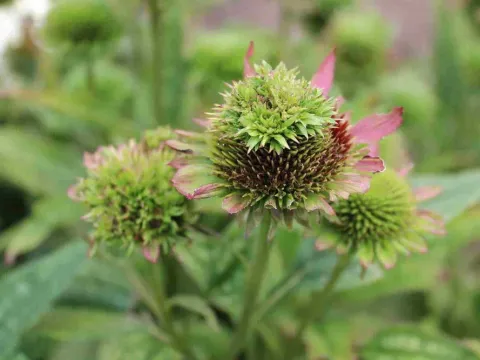
A hallmark sign of this disease is phyllody, a condition where flower parts are transformed into leaf-like structures, effectively causing sterility in the blooms.
In root vegetables, such as carrots, the infection triggers a proliferation of fine lateral roots, commonly referred to as hairy root syndrome.
Flowers may also show abnormal color changes, such as greening or general distortion, rendering ornamental plants completely unsalable.
The incidence of aster yellows is highly correlated with the migration patterns and population density of the leafhopper vectors.
Warm, dry weather conditions facilitate the rapid reproduction of leafhoppers, leading to increased pressure and a higher likelihood of disease outbreaks.
Reservoir plants, particularly perennial weeds surrounding cultivated areas, serve as vital overwintering hosts for the phytoplasma and the insect population.
Infection typically occurs when susceptible crops are at their most active growing stage, coinciding with the peak activity of the leafhopper vector.
Poor field management, including heavy weed pressure and lack of insect control, creates an ideal environment for the sustained spread of the disease.
Aster yellows is a highly destructive disease that results in total loss of plant vigor, reduced yields, and complete loss of crop marketability.
Since the pathogen disrupts the plant's vascular system, it inhibits nutrient transport, leading to the gradual decline and eventual death of the host.
The economic impact on commercial flower and vegetable farming is severe, as there are no curative treatments available for plants once they are symptomatic.
The long latency period of the infection makes it difficult to manage, as plants may be contagious before showing visible signs of the disease.
Secondary infections and physiological stress caused by the phytoplasma often make the plants more susceptible to other opportunistic pathogens and environmental stressors.
Effective management focuses on controlling the leafhopper population through the use of systemic insecticides, particularly during the early stages of plant development.
Rigorous weed control around the field perimeter is essential to eliminate host plants that act as sources of inoculum for the phytoplasma.
Regularly monitoring fields for insect activity and removing symptomatic plants promptly are critical practices to limit the spread of the pathogen.
Utilizing row covers during the sensitive seedling stage can physically block leafhoppers from landing and feeding on the young, vulnerable crop plants.
Developing an integrated pest management program that includes crop rotation and the selection of resistant cultivars is the most sustainable approach to long-term control.