
Astragalus nanovirus
Nanovirus astragali
The causative agent of the disease is Nanovirus astragali, a member of the Nanoviridae family. It is characterized by a small, circular, single-stranded DNA genome and a complex replication mechanism within the plant host cells.
What the section contains
Astragalus nanovirus
This virus primarily infects various species within the Fabaceae family, specifically focusing on the Astragalus genus. It is classified as a systemic pathogen that spreads rapidly through the plant's phloem tissues.
Vectors responsible for transmission are typically sap-sucking insects, most notably aphids. These insects acquire the virus while feeding on infected plants and remain infectious for extended periods due to the persistent nature of the transmission.
The biology of the virus is deeply integrated with the metabolic pathways of the legume host. By infiltrating the vascular system, the virus interferes with nutrient translocation and hormonal regulation.
Given its high degree of host specialization, this nanovirus is particularly problematic for both wild populations of astragalus and commercial legume varieties that share similar genetic traits or environmental niches.
The primary symptom of infection is severe growth retardation and stunting. Infected plants exhibit a noticeable lack of vigor and consistently remain smaller than healthy plants grown under identical conditions.
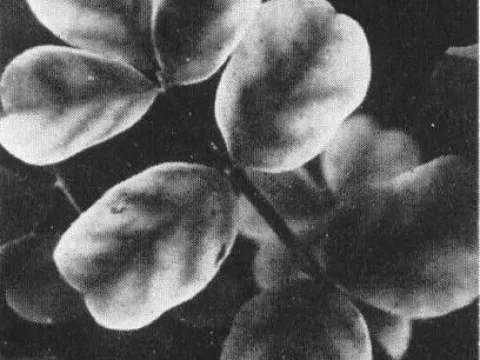
Leaf morphology is significantly altered, with leaves often becoming small, curled, or chlorotic. A distinct mosaic pattern may also appear, reflecting the disruption of normal photosynthetic activity within the tissues.
Another classic sign is excessive proliferation of secondary shoots, giving the plant a bushy or "witches' broom" appearance. This structural deformation indicates a complete loss of the plant's normal growth pattern.
Root systems are also negatively impacted, showing restricted development and decreased nodulation. This reduction in symbiosis with nitrogen-fixing bacteria limits the plant's ability to thrive in poor soils.
- Yellowing of leaf veins (vein clearing).
- Shortening of internodes.
- Drastic reduction in flower production.
- High rates of pod and seed abortion.
Disease outbreaks are closely correlated with the population dynamics of insect vectors. Increased aphid activity during the early vegetative stages of the crop significantly raises the probability of widespread infection.
Warm and dry weather conditions are generally conducive to the rapid reproduction of aphids. These favorable environmental factors accelerate the viral life cycle within the host plants and facilitate secondary transmission.
Dense crop stands create a humid microclimate that protects insect vectors and allows for more efficient plant-to-plant virus spread. Fields with poor air circulation are particularly prone to rapid disease development.
The presence of wild perennial legumes and various weed species serves as an essential virus reservoir. These plants carry the virus throughout the off-season, acting as sources for new infections in spring.
Long-distance dispersal is achieved through winged aphids migrating with air currents. This allows the virus to jump between geographically separated fields, making localized control efforts occasionally insufficient.
The most significant economic impact is the severe loss of seed yield. Infected plants produce very few seeds, and those that are produced often have poor viability and low germination rates.
The virus severely depletes the host's physiological reserves, rendering it susceptible to secondary infections by opportunistic fungi and bacteria. This compounding effect leads to the premature senescence of the crop.
On a larger scale, nanovirus infections can lead to the widespread degeneration of legume fields. This necessitates costly replanting and results in significant financial losses for producers.
Once a plant is systemically infected, there is no viable method to cure it. The permanent change in the plant's internal physiology makes it unproductive and a source of inoculum for the rest of the field.
Ecologically, the reduction in healthy astragalus populations disrupts natural nitrogen fixation processes, potentially degrading soil fertility in native rangelands and agricultural landscapes.
The cornerstone of disease management is the effective control of insect vectors. Regular applications of systemic insecticides help reduce aphid populations, thereby limiting the window of exposure for the crops.
Good agricultural practices include spatial isolation of legume fields from wild habitats where the virus may persist. Clearing surrounding fields of weeds is crucial to eliminating the primary virus reservoirs.
Crop rotation remains a fundamental strategy to break the infection cycle. By moving susceptible crops to new ground, the accumulation of inoculum and persistent vector populations is significantly diminished.
Breeding and selecting for resistant cultivars is the most sustainable approach to long-term control. Varieties that demonstrate tolerance to nanovirus help maintain productivity even in endemic areas.
Rigorous field monitoring and the prompt roguing (removal) of symptomatic plants can prevent the virus from becoming established in a new area. Early detection is key to maintaining healthy fields.