
Potexvirus ecshostae
Potexvirus ecshostae
The causative agent of the disease is Potexvirus ecshostae, a member of the Potexvirus genus within the Alphaflexiviridae family. This is a phytopathogenic virus characterized by a flexible filamentous virion structure.
What the section contains
Potexvirus ecshostae
The virus possesses a single-stranded (+)RNA genome protected by a protein capsid. It is capable of systemically infecting host plant tissues, moving throughout the vascular system to disrupt normal physiological functions.
In nature, transmission occurs primarily through mechanical contact, such as injured tissues, contaminated pruning tools, or direct contact between infected and healthy plants. The biological cycle of the virus is strictly dependent on the host cell's metabolism.
The viral genome encodes proteins essential for RNA replication and movement through plasmodesmata into adjacent cells. The efficiency of viral multiplication is directly linked to the plant's physiological state at the time of infection.
Like other members of the Potexvirus genus, this pathogen lacks specific insect vectors, meaning its spread is determined by plant density and human-related agricultural practices.
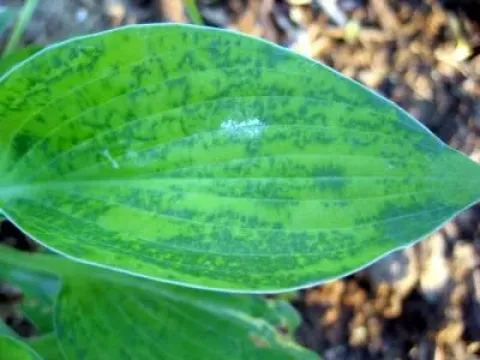
Symptoms of Potexvirus ecshostae infection primarily manifest as mosaic patterns on leaf blades. The leaf surface becomes uneven, displaying a mottled appearance with alternating light and dark green patches.
Deformation of leaf blades and changes in the plant's overall habit are frequently observed. Leaves may become wrinkled or curled, indicating a severe disruption of growth processes caused by the viral intervention.
Chlorosis, the yellowing of tissues due to chlorophyll degradation, is one of the most prominent signs. In many cases, a general retardation in the growth and development rate of the entire plant is reported.
External symptoms can vary significantly depending on the plant species, the age of the infected specimen, and environmental conditions. Under stress, symptoms become more severe, spreading across all vegetative organs.
When reproductive organs are affected, there is a marked decrease in yield, along with changes in fruit shape and color. Early identification of these signs is critical for preventing the spread of the virus.
The development of the viral infection is accelerated by high humidity and moderate temperatures. Optimal environmental parameters boost metabolic processes in the plant, providing a favorable environment for rapid viral replication.
High planting density plays a significant role in the spread of the disease. In dense plantings, physical contact between healthy and infected plants occurs much more frequently, facilitating the mechanical transfer of the virus.
Agricultural operations such as pruning, trimming, or harvesting create micro-wounds through which the virus enters the plant tissues. Unsanitized tools serve as the primary vector for pathogen distribution in the field.
The lack of crop rotation and the presence of weeds acting as reservoirs for the virus significantly exacerbate the infection background. The virus can persist in plant debris for an extended period.
Outbreaks are most frequently observed in greenhouse environments, where controlled microclimates and high plant density create ideal conditions for the rapid spread of Potexviruses.
The harm caused by Potexvirus ecshostae lies in the significant reduction of both crop yield and quality. The impairment of photosynthesis leads to weakened overall immunity and plant exhaustion.
Infected plants lose their marketability, making the produce unsuitable for sale or long-term storage. Deformed fruits significantly decrease the economic value of the entire harvest.
Viral infection forces the plant to allocate energy to fighting the pathogen instead of accumulating biomass in the fruits. This leads to stunted growth, reduced fruit size, and poor taste characteristics.
Systemic infection lowers the viability of the crop. In the long term, this results in the degradation of plantings and the impossibility of achieving stable yields on affected sites.
Economic losses include not only direct harvest shortages but also the costs associated with facility disinfection, soil replacement, and the procurement of new, virus-free planting material.
The primary method of control is strict adherence to phytosanitary regulations. All tools used for plant maintenance must be regularly disinfected with alcohol or sodium hypochlorite solutions.
Timely roguing and complete destruction of infected plants are essential. Diseased plants must be removed along with the root ball to prevent any potential contact with neighboring healthy specimens.
It is recommended to cultivate resistant varieties and hybrids that possess genetic defenses against viral strains. Selective breeding remains the most reliable method for long-term pathogen management.
Minimizing plant injury during agricultural operations is crucial. Growers should carefully monitor the condition of their equipment and avoid working with wet plants if there is a risk of spreading the infection.
Prevention also includes using only certified, virus-free planting material and supporting plant immunity through the application of specialized fertilizers and bio-stimulants to enhance resistance.