
Bamboo mosaic
Potexvirus bambusae
The causative agent of the disease is the Bamboo mosaic virus (BaMV), which belongs to the genus Potexvirus. This is a rod-shaped, RNA-containing plant virus that causes systemic infection.
What the section contains
Bamboo mosaic
The virus lacks a natural insect vector. Its primary method of transmission is mechanical, occurring through the transfer of sap containing viral particles from infected to healthy plant tissues.
The virus is highly stable and can persist in the rhizomes of infected plants for long periods. This makes the bamboo plant an asymptomatic reservoir of the pathogen.
The biological nature of the virus allows it to move through the vascular system of the host, spreading the infection to new shoots and leaves as they develop.
The absence of natural vectors makes the control of human-mediated transmission the most important aspect of the pathogen's biology within agricultural environments.
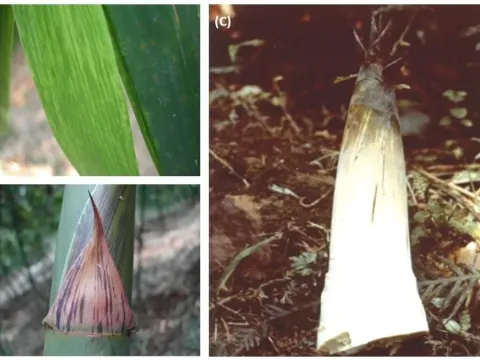
The most characteristic symptom is the formation of a mosaic pattern on the leaves, characterized by alternating patches of light green, yellow, or white discoloration.
In addition to mosaic patterns, infected leaves may show streaks or necrotic spots, which can lead to the partial drying and distortion of the leaf lamina.
A significant reduction in growth vigor is observed, with infected culms often exhibiting shortened internodes and a decrease in overall height compared to healthy plants.
Symptoms may remain latent for extended periods, especially in less susceptible varieties, making visual identification difficult without targeted diagnostic techniques.
- Mosaic-like mottling on leaves.
- Development of yellow or white streaks.
- Stunted growth and shorter internodes.
- Leaf distortion and potential necrosis.
- Reduced biomass production and vitality.
The spread of the disease is strictly linked to human activity, particularly the use of unsterilized pruning tools when managing bamboo stands or propagating plants.
Mechanical contact between bamboo plants, especially in dense thickets during windy conditions, can facilitate the spread of the virus through micro-wounds on the foliage.
The use of infected propagation material (rhizomes or cuttings) is the most significant factor in the long-distance spread of the disease to new nurseries or gardens.
Favorable environmental conditions for plant growth can temporarily mask symptoms, leading to the unintentional distribution of the virus to new locations.
Lack of hygiene protocols during the division and transplantation of bamboo clumps often leads to outbreaks within previously clean collections.
The primary economic impact is the loss of ornamental value, which renders affected bamboo plants unsuitable for commercial landscape projects or botanical collections.
Infection weakens the overall health of the bamboo stand, making it more susceptible to secondary stressors, including other diseases, pests, and drought.
Nurseries face severe losses when entire stocks are found to be infected, necessitating the destruction of thousands of plants to prevent further outbreaks.
The virus causes long-term degeneration of the bamboo cluster, leading to lower-quality shoots and the gradual decline of the entire population.
There are no chemical curative treatments available for the virus, meaning that the cumulative damage often results in the total replacement of the plantation.
The fundamental strategy for control is the use of virus-free nursery stock, which is produced via meristem culture and rigorously tested in laboratory settings.
Sterilization of all tools involved in pruning or dividing bamboo is critical. Using disinfectants like bleach or alcohol after each cut prevents the mechanical transmission of the virus.
Prompt removal and destruction of symptomatic plants are essential to eliminate the source of the virus within a nursery or landscape setting.
Regular diagnostic screening and implementation of strict quarantine measures for incoming plant materials help prevent the introduction of the pathogen to new regions.
Educating growers on the mechanical transmission of the virus and promoting strict hygiene practices are key components of effective long-term disease management.