
Banana streak
Badnavirus etavirgamusae
Description
Symptoms
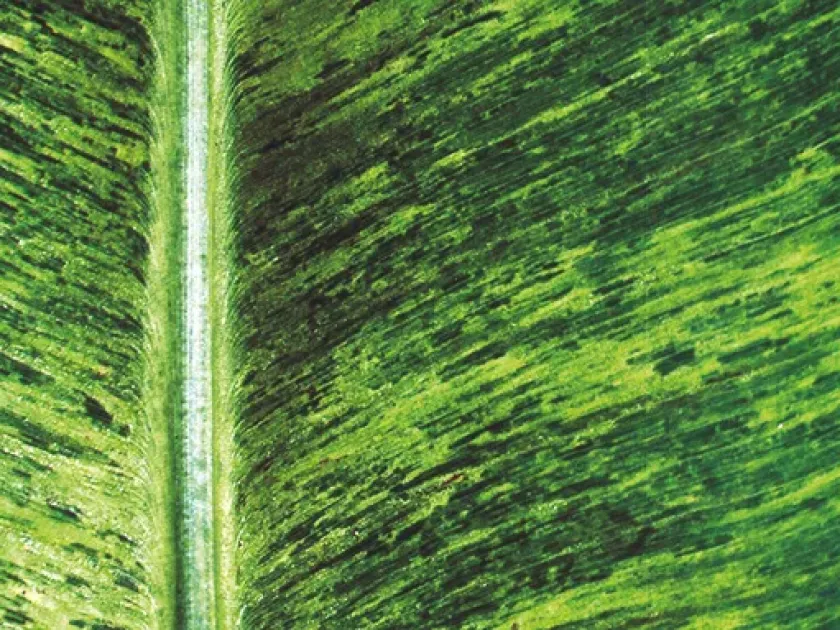
The primary symptom of the disease is the appearance of chlorotic streaks on banana leaves, which range in color from pale yellow to white and run parallel to leaf veins.
As the infection advances, these streaks tend to become more pronounced, sometimes merging and causing necrosis, which leads to distorted leaf growth and brittle tissues.
Infected plants exhibit stunted growth and reduced vigor, often showing smaller leaf blades that appear crumpled or malformed compared to healthy foliage.
Fruit bunches produced by infected plants are often significantly smaller and may fail to develop properly, leading to uneven maturation and a complete loss of market value.
The disease can also cause the pseudostem of the banana plant to crack or distort, negatively impacting the overall structural integrity of the plant in the field.
Pathogen
The causative agent is the Banana streak virus, a member of the Badnavirus genus, known for its double-stranded DNA genome and ability to integrate into plant DNA.
This integration capability allows the virus to remain latent within the plant genome for extended periods, making detection difficult during early stages of infection.
It is a systemic disease that spreads through the vascular system, impairing the plant's metabolic functions, including nutrient uptake and effective photosynthesis.
The pathogen is classified as a systemic viral infection, which cannot be eradicated by traditional chemical fungicides or bactericides once the virus is established.
Biological diversity within the virus strains presents a ongoing challenge for breeding programs aiming to develop resistant banana varieties for commercial use.
Conditions for development
The virus is primarily spread through the use of infected suckers used for propagation, which carry the pathogen from generation to generation in a plantation.
Mealybugs act as essential insect vectors, transmitting the virus from diseased plants to healthy ones when feeding on the plant sap during their life cycle.
Environmental stressors, such as high heat or water scarcity, are known triggers that can activate the latent virus integrated into the plant's genetic material.
Poor plantation hygiene and high density of planting facilitate the rapid movement of vectors, thereby increasing the speed at which the infection spreads across the site.
Mechanical transfer through contaminated pruning equipment remains a significant risk factor if tools are not properly sanitized between handling different plants.
Why it matters
The economic impact of the virus is significant, as it leads to substantial yield losses and can eventually force the abandonment of entire infected banana blocks.
Marketability of the fruit is severely compromised due to poor quality, small bunch size, and aesthetic blemishes caused by the systemic viral symptoms.
Infected plantations serve as a persistent reservoir for the virus, threatening neighboring farms and necessitating costly quarantine and eradication measures.
Long-term infestation leads to the genetic degradation of planting material, requiring the total replacement of local varieties with certified disease-free clones.
Global trade in banana plant material is heavily restricted by phytosanitary regulations due to the risks associated with the spread of this serious viral pathogen.
Protection
The most effective strategy is the exclusive use of clean, virus-tested planting material produced through in vitro micropropagation techniques in certified nurseries.
Strict phytosanitary monitoring is essential to detect and rogue out symptomatic plants as soon as they appear to limit the spread of the virus within the field.
Effective management of mealybug populations is critical, as controlling the vector significantly slows down the natural transmission of the disease within the crop.
Regular disinfection of all gardening and harvest tools using appropriate chemical solutions is mandatory to prevent cross-contamination during routine plantation maintenance.
- Implementation of rigorous nursery certification programs.
- Use of resistant banana cultivars where available.
- Integrated pest management for insect vector control.
Discussion
No discussions yet — be the first.