
Pecluvirus
Pecluvirus
The genus Pecluvirus comprises a group of plant-pathogenic viruses with a positive-sense single-stranded RNA genome. The type species is the Peanut clump virus, which is highly significant in tropical agriculture.
What the section contains
Pecluvirus
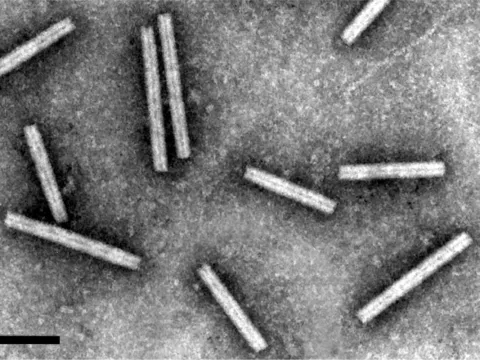
The viral particles are rod-shaped and possess a segmented genome, which enhances their evolutionary flexibility and ability to infect specific plant hosts efficiently.
Transmission of pecluviruses is mediated primarily by the soil-borne fungus Polymyxa graminis. The zoospores of this fungus act as vectors, introducing the virus into the plant roots.
The virus can persist in the soil for many years inside the resting spores of its fungal vector, making it extremely difficult to eradicate once a field is contaminated.
Seed transmission is another critical pathway, posing a significant risk for the spread of the virus through international trade and agricultural exchange programs.
Plants infected with pecluvirus typically exhibit stunted growth and dwarfism. In peanuts, this often manifests as a clumped or bushy appearance due to significantly shortened internodes.
Foliar symptoms include chlorotic spotting, mosaic patterns, or mottling. These visual signs are often accompanied by a decrease in leaf size and plant vigor.
In severe cases, plants may show signs of premature yellowing and reduced photosynthetic capacity, which directly correlates to a decrease in overall harvest potential.
Root system development is often impaired, leading to poor nutrient and water uptake, which further exacerbates the systemic stress of the infected plant.
Symptoms can manifest differently depending on the specific host cultivar and environmental conditions, sometimes appearing as patchy, uneven growth across the field.
The spread of pecluvirus is heavily dependent on the activity of the fungal vector Polymyxa graminis, which thrives in high soil moisture conditions.
Frequent rainfall or heavy irrigation promotes the movement of fungal zoospores, thereby increasing the rate of infection during the early growth stages of the crop.
Soil texture plays a crucial role; well-aerated yet moisture-retentive soils are highly conducive to the activity and persistence of the fungal vector.
Temperature fluctuations, particularly in warm, humid climates, can trigger rapid multiplication of the vector, leading to localized outbreaks of the viral disease.
Continuous cropping of susceptible varieties facilitates the accumulation of the virus and its vector in the soil, creating a long-term reservoir for the infection.
Pecluviruses cause substantial economic damage by significantly reducing crop yields. Infected plants often produce low-quality seeds or fail to set fruit entirely.
The long-term persistence of the virus in the soil forces farmers to abandon or limit the use of certain fields for susceptible crops, impacting agricultural productivity.
The presence of the virus reduces the market value of the harvested produce, as it fails to meet quality standards required for processing and consumer sale.
Viral infection leaves the plants weak and prone to secondary infections from other pathogens, which can result in complete crop failure in worst-case scenarios.
Global food security is affected by the potential for these viruses to be introduced into new regions through contaminated seed, highlighting the importance of strict quarantine.
The most effective strategy for managing pecluvirus is the utilization of resistant crop varieties, which can prevent or reduce the severity of the disease.
Long-term crop rotation cycles, lasting at least five years, are essential to diminish the population of the fungal vector in the soil over time.
Strict phytosanitary control of seeds is critical; ensuring that all planting material is certified and pathogen-free prevents the introduction of the virus to new areas.
Managing soil moisture through improved drainage and precise irrigation practices can effectively limit the activity of fungal zoospores, lowering the risk of infection.
While chemical control of the fungal vector is often expensive and impractical on a large scale, integrated management remains the best defense against these complex viruses.