
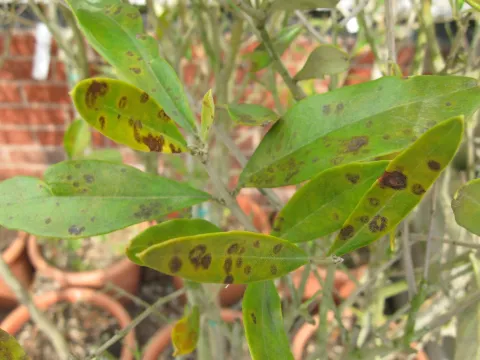
Olive spot virus
Oleavirus olv
The causative agent of the disease is Oleavirus olv, which belongs to the genus Oleavirus within the Betaflexiviridae family. This is a single-stranded RNA virus specifically infecting olive trees.
What the section contains
Olive spot virus
The disease is characterized as a systemic viral infection, as the pathogen spreads through the phloem, affecting the entire plant's vascular system. It can remain latent in the tree for extended periods.
Transmission primarily occurs through infected propagation material, grafting, contaminated pruning tools, or various insect vectors such as aphids and leafhoppers.
The biology of the virus involves hijacking the host's cellular machinery to replicate its genetic material. Its thread-like virions move efficiently through the plant's nutrient-transport system.
Molecular diagnosis, particularly PCR-based assays, is the gold standard for identifying the virus, as it can detect the presence of viral RNA long before symptoms become severe.
Symptoms often manifest as chlorotic spots, mosaic patterns, or mottling on the olive leaves. These signs may appear sporadically on individual branches or cover the entire canopy.
Leaf deformity is a common feature, with leaves showing crinkling, undulating edges, or stunted growth. These deformations are direct consequences of metabolic disruption.
The foliage may lose its deep green color, showing pale or yellowish patches that hinder the efficiency of photosynthesis and reduce the tree's overall vitality.
Fruit quality is significantly impacted; olives may develop necrotic spots, irregular coloring, or fail to reach their full size, rendering them unsuitable for processing.
Visible symptoms are often erratic and can vary greatly depending on the olive variety and environmental conditions, making early visual detection difficult.
The spread of the virus is heavily dependent on the presence of insect vectors that feed on infected phloem and transmit the pathogen to healthy tissues in the orchard.
Inadequate sanitation of pruning and grafting equipment is a major risk factor. Using non-disinfected tools allows the virus to spread rapidly between trees during routine management tasks.
International and regional trade of infected nursery stock is a primary route for long-distance dissemination, making strict quarantine and testing protocols essential.
Environmental conditions that favor the proliferation of insect vectors, such as warm temperatures and high humidity, significantly increase the risk of rapid disease transmission.
Trees undergoing physiological stress due to drought, nutritional imbalances, or poor soil management are more susceptible to infections and tend to exhibit symptoms more rapidly.
The disease leads to a marked reduction in total crop yield as the virus diverts energy away from fruit development and into its own replication cycle.
The quality of the oil produced from infected trees is diminished, often resulting in lower chemical quality and altered organoleptic profiles, impacting its market value.
Infected trees exhibit reduced resilience against abiotic stressors like frost or extreme heat, which accelerates their decline and shortens their productive lifespan.
Financial losses for growers are compounded by the high costs of orchard monitoring, tree replacement, and the loss of production in affected sectors.
For nursery businesses, a virus outbreak can lead to the condemnation of entire batches of stock, causing significant economic disruption and reputational damage.
The most effective strategy is the exclusive use of certified, virus-free nursery stock. Sourcing plants from accredited producers reduces the risk of initial infection.
Implementing strict orchard hygiene is paramount. All tools, especially shears and saws, must be sterilized using effective chemical disinfectants between every tree to prevent transmission.
Managing insect vector populations through well-timed applications of systemic insecticides is crucial for breaking the transmission cycle in commercial orchards.
Regular monitoring and prompt roguing (removal) of infected trees help limit the spread of the pathogen, protecting the remaining healthy orchard sections.
Maintaining optimal tree health through balanced fertilization and proper irrigation helps bolster the plant's immune system, allowing it to withstand stress better.