
Olive latent ringspot virus
Nepovirus oleae
The causative agent of this disease is the Olive latent ringspot virus (OLRV), a member of the Nepovirus genus. It is a systemic plant pathogen that disrupts essential cellular processes.
What the section contains
Olive latent ringspot virus
The virus particles are spherical and contain single-stranded RNA. Like other nepoviruses, it is capable of rapid systemic colonization of the host plant, often spreading from the roots to the shoots.
OLRV is frequently termed "latent" because it can reside in olive trees for a long period without showing visible symptoms, which makes early detection extremely difficult for orchard managers.
As a viral disease, it is systemic in nature. Once infected, the virus spreads through the plant's vascular tissue, effectively hijacking the plant's resources for its own replication.
Transmission occurs through soil-dwelling nematodes of the genus Xiphinema, as well as through vegetative propagation and the use of infected grafting materials.
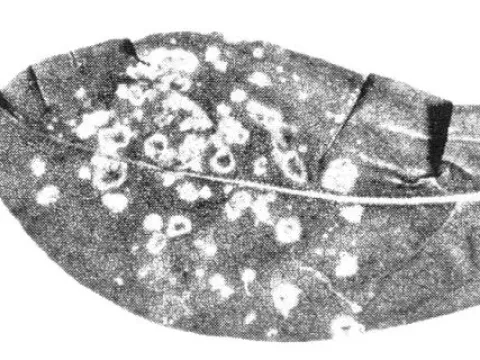
Symptoms include chlorotic rings or spots on the leaves. In some varieties, this is accompanied by leaf curling, distortion, and significant foliage thinning over time.
The canopy may show an irregular, mottled appearance. Affected trees often display stunted growth compared to healthy neighboring trees in the same block.
Fruit symptoms, while less common, can manifest as necrotic or chlorotic spots, negatively impacting the visual quality and potentially the oil content of the harvest.
Severe infections lead to a visible decrease in branch vigor and annual shoot elongation, which can ultimately cause premature senescence of the affected tree parts.
During peak vegetative growth, physiological stress may exacerbate symptoms, making the infection easier to identify for an experienced agronomist.
The presence of Xiphinema nematodes in the soil is the primary factor driving the spread of the virus. These vectors feed on roots and transmit the virus during their feeding cycle.
Infection is heavily facilitated by the movement of nursery stock. Propagating material from infected mother trees serves as the most effective route for long-distance dissemination.
Favorable conditions for the virus include moderate soil temperatures and adequate moisture, which support the activity and survival of nematode populations in the rhizosphere.
Human activity, specifically the use of contaminated pruning tools, poses a significant risk. If tools are not cleaned between trees, they act as mechanical vectors.
Orchards established on previously infested land without prior soil disinfection or fallowing are at a significantly higher risk of experiencing a virus outbreak.
The economic impact of OLRV is primarily defined by reduced yields. Infected trees show lower fruit set and diminished oil quality, which compromises the final product's market value.
Chronic viral infection stresses the tree, making it significantly more susceptible to secondary pathogens, drought, and extreme weather conditions.
Metabolic disruption caused by the virus limits the tree's ability to photosynthesize effectively, leading to energy depletion and reduced long-term structural integrity.
The presence of the virus in commercial nurseries can lead to catastrophic losses, necessitating the destruction of large stocks of saplings and disrupting the supply chain.
Management costs increase significantly due to the need for continuous soil monitoring, nematode control programs, and laboratory testing for viral presence.
The most effective strategy is the use of certified virus-free planting material. Sourcing saplings from nurseries with strict phytosanitary protocols is essential.
Implementing a rigorous nematode management plan is crucial. This includes soil testing, using nematicides if appropriate, and implementing fallow periods between orchard plantings.
Disinfecting all pruning and grafting tools is mandatory. A solution of bleach or high-concentration alcohol should be used between every tree to prevent mechanical transmission.
Early identification through periodic sampling and lab diagnostics allows for the removal of individual infected trees before the virus establishes a wider focal point in the orchard.
- Establish a regular monitoring schedule for early symptoms.
- Restrict the movement of soil and tools from potentially infested areas.
- Ensure the orchard is well-fertilized to bolster plant immunity against stress.