
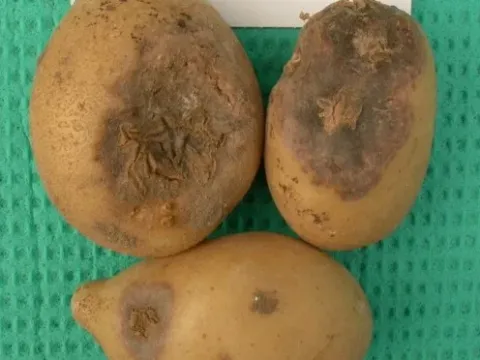
Necrovirus
Necrovirus
Necrovirus is a genus of plant-infecting viruses that contain a single-stranded RNA genome. These viruses are characteristically soil-borne and rely on biological vectors for transmission.
What the section contains
Necrovirus
The fungus-like organism Olpidium brassicae serves as the primary vector for Necrovirus. The virus particles adhere to the surface of the fungal zoospores, facilitating their movement through the soil and entry into the plant roots.
These viruses are noted for their high stability in the environment. They can survive in the soil for extended periods, protected within the resting spores of the fungal vector, making them difficult to eradicate once a field is contaminated.
The infection process occurs primarily in the rhizosphere. Upon contact, the fungal zoospores transfer the viral particles into the root tissues, where the virus initiates the replication cycle.
Detection and diagnosis require specialized laboratory techniques such as ELISA (Enzyme-Linked Immunosorbent Assay) and RT-PCR (Reverse Transcription Polymerase Chain Reaction) to identify the viral presence in plant tissues or soil samples.
Symptoms of Necrovirus infection often start in the root system. Infected plants may exhibit stunted growth, root browning, and necrosis of the fine hair roots, hindering nutrient uptake.
On the foliage, the disease typically manifests as necrotic spots, rings, or patches. Over time, these lesions can cause leaf distortion, curling, and early senescence of the lower leaves.
Chlorosis and general yellowing of the leaves are common, often leading to a reduction in the plant's overall vigor. In severe cases, the plant may collapse due to the extensive damage to the vascular root tissues.
Young seedlings are particularly vulnerable, often showing severe stunting or systemic necrosis if they are infected early in their growth cycle under high inoculum pressure.
Visual symptoms can be confused with other diseases such as fungal root rots or nutrient deficiencies, necessitating careful examination and laboratory confirmation for an accurate diagnosis.
The development and spread of Necrovirus are highly dependent on soil moisture. The fungal vector, Olpidium brassicae, requires wet soil conditions to release and mobilize its zoospores.
Moderate temperatures ranging from 15°C to 22°C are optimal for both the vector activity and the viral infection process. High temperatures tend to suppress the fungal movement, thereby limiting the spread.
Poor drainage and high-density planting are major risk factors. These conditions promote the movement of zoospores between plants, facilitating the rapid spread of the virus across a plot.
The reuse of soil or substrate in greenhouse production without proper sterilization is a significant cause of outbreaks, as the virus can persist in the soil for years.
Contaminated irrigation water, particularly from surface sources like ponds or creeks, frequently serves as a bridge for introducing the pathogen into clean agricultural fields.
Necroviruses significantly impact crop productivity by reducing yields and the overall quality of agricultural produce. Infected crops are often unmarketable due to damaged foliage or stunted fruits.
The disruption of the root system limits the plant's ability to tolerate environmental stress, such as drought or excessive heat, often leading to total crop failure during extreme weather events.
Beyond physical damage, the presence of these viruses can lead to quarantine issues and strict regulations on the movement of plant material from infected areas.
In intensive cultivation systems, the cost of managing the disease, including soil fumigation and crop replacement, imposes a significant financial burden on growers.
- Significant reduction in total yield and marketable produce.
- Increased susceptibility of plants to secondary infections.
- Financial losses associated with soil decontamination and lost crops.
Implementing a long-term crop rotation strategy is the most effective way to break the cycle of the fungal vector, thereby reducing the risk of viral infection.
Soil sterilization, including steam treatment or approved chemical fumigation, is necessary in greenhouses to eliminate resting spores of Olpidium brassicae from the substrate.
Selecting and breeding for cultivars with resistance or tolerance to the Necrovirus and its fungal vector is the preferred long-term solution for sustainable agriculture.
Managing irrigation practices, such as ensuring good drainage and using clean, treated water sources, significantly decreases the risk of introducing the virus.
General hygiene practices, such as cleaning equipment and tools between different areas of the field, prevent the accidental spread of contaminated soil that contains the virus-carrying fungal spores.