
Narcissus white streak
Narcissus white
Description
Symptoms
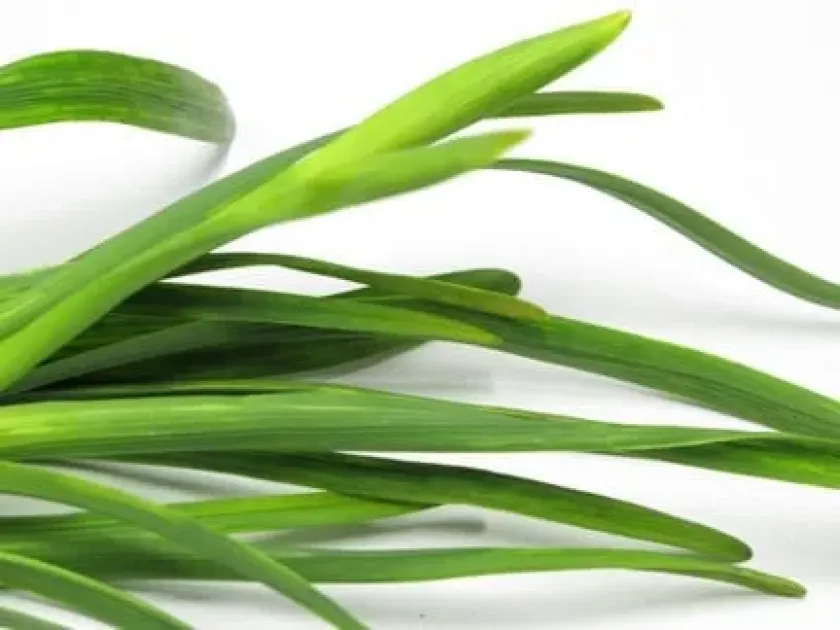
The primary symptom of this disease is the appearance of light green, pale yellow, or nearly white streaks that run longitudinally along the leaves of the daffodil.
In the early stages, these streaks may appear as faint, thin lines, but they eventually broaden and become more conspicuous as the leaf continues to grow.
Affected leaves often show signs of distortion, becoming narrower or more rigid than healthy foliage, and may eventually turn yellow and die prematurely.
Flower quality is significantly impacted, with blooms often appearing smaller and exhibiting irregular color-breaking, streaks, or white spots on the petals.
The condition is systemic, meaning once a plant is infected, the symptoms will likely manifest across all parts of the foliage during the subsequent growing seasons.
Pathogen
The disease is caused by the Narcissus yellow stripe virus (NYSV), which is a member of the Potyviridae family of plant viruses.
The virus consists of filamentous particles containing single-stranded RNA, making it a highly efficient and specialized pathogen for Narcissus species.
Aphids act as the primary vectors for the virus, acquiring the pathogen while feeding on infected tissue and transmitting it to healthy plants during subsequent feeding sessions.
The transmission is non-persistent, allowing the virus to spread rapidly within a garden or field even through brief contacts by insect pests.
Mechanical transmission also plays a role, as the virus can be spread by contaminated cutting tools, knives, or during the process of bulb division and replanting.
Conditions for development
Warm spring weather creates ideal conditions for the rapid multiplication and migration of aphid populations, which accelerates the spread of the disease.
Poor garden sanitation, such as failing to remove weeds or old plant debris, provides a reservoir for the virus and a habitat for its insect vectors.
Overcrowded plantings and high humidity levels can create a stagnant microclimate that encourages the movement of aphids between adjacent daffodil plants.
The use of infected bulb stock remains the most significant factor in the long-term survival and persistence of the virus within a specific growing area.
Environmental stress, including drought or nutrient deficiencies, can sometimes make plants more susceptible to the impact of the viral infection.
Why it matters
Narcissus white streak causes a gradual decline in plant vigor, resulting in smaller, weaker bulbs that produce fewer offsets and lower quality blooms over time.
The economic impact is high, particularly for commercial cut-flower growers, as deformed leaves and discolored flowers are unfit for sale and market use.
Infected plants exhibit reduced resistance to other pathogens, making them more prone to secondary infections from soil-borne fungi and bacterial rots.
The persistent nature of the virus means that once a garden patch is infected, it can lead to the total loss of valuable and rare daffodil cultivars.
Since there is no cure for viral infections in plants, the disease inevitably leads to the decline and eventual replacement of entire infected beds.
Protection
The most effective strategy for managing the disease is the immediate roguing and destruction of any plants exhibiting symptoms of white streaking or leaf distortion.
Implement a robust insect control program to manage aphid populations using systemic insecticides, particularly during the early stages of spring growth.
Maintain strict hygiene when working with plants; sterilize all tools with alcohol or a specialized disinfectant solution after every individual plant or bulb row.
Source bulbs only from reputable suppliers who provide virus-free certification and inspect all incoming material before introducing it to established garden beds.
- Regularly weed the garden to eliminate potential secondary hosts.
- Ensure proper spacing between plants to improve airflow and reduce pest movement.
- Conduct frequent inspections throughout the growing season to catch early infections.
Discussion
No discussions yet — be the first.