
Citrus Ilarvirus
Ilarvirus clrv
The causative agent of the disease is a virus belonging to the Ilarvirus genus, characterized as an RNA virus. These pathogens are known for having a broad host range, specifically impacting woody plants within the Rutaceae family.
What the section contains
Citrus Ilarvirus
The condition is classified as a systemic viral infection, meaning the pathogen colonizes the entire vascular system of the host plant. The virus often remains in a latent phase for long periods, showing no visible symptoms, which makes early field detection extremely difficult.
The primary transmission method in natural environments is via pollen, while in commercial horticulture, the virus is spread through infected budwood used for grafting. Seed transmission plays a minor role but cannot be entirely disregarded.
Ilarviruses are biologically unstable outside of host cells, but their rapid systemic movement through the phloem allows them to infect the entire plant structure quickly once initial transmission has occurred.
Identification of the pathogen requires specialized laboratory diagnostics, such as ELISA tests or PCR methods, as visual symptoms are often confused with nutrient deficiencies or other viral infections.
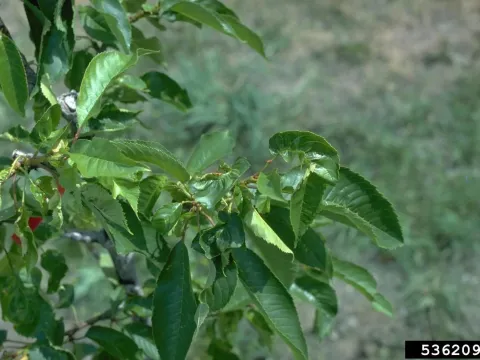
Typical symptoms include chlorotic spotting, ring-like patterns, and necrotic lesions on leaf surfaces. In many cases, a mosaic pattern or oak-leaf-like appearance is visible on the foliage.
Leaves on infected branches often display deformation, such as curling or reduction in size (small-leaf syndrome). Premature defoliation is a common sign of advanced stages of the disease.
Fruit quality is significantly impacted, showing surface blemishes, ring patterns, and streaks. These cosmetic defects result in the fruit being rejected for fresh market consumption.
The overall vigor of the tree declines, characterized by stunted shoot growth, poor flowering, and reduced fruit yield. The tree canopy often takes on an asymmetrical or sparse appearance over time.
In chronic cases, dieback of the shoot tips occurs, leading to the eventual death of major branches and potentially the entire tree if the infection is not managed correctly.
Environmental conditions that favor insect activity facilitate the spread of the virus, as pollinators carry infected pollen between trees within an orchard or across neighboring properties.
The presence of certain weeds serves as a reservoir for the virus, allowing it to persist in the orchard ecosystem throughout the year, even during the dormant season.
The use of infected propagation material from nurseries is the most critical risk factor, leading to the rapid and wide-scale dissemination of the virus to new planting sites.
Stressful conditions, such as extreme heat or prolonged drought, often exacerbate symptom expression, as the plant's metabolic defenses are weakened, allowing for increased viral replication.
Standard horticultural practices, such as pruning and grafting, provide a pathway for mechanical transmission if tools are not properly sterilized between individual trees.
The primary economic impact of Citrus Ilarvirus is the systemic decline of tree productivity, leading to significant yield losses over the lifespan of the orchard.
Infected trees exhibit reduced resilience against secondary infections and environmental stresses, increasing the costs associated with orchard maintenance and chemical inputs.
Marketable fruit yields are reduced, causing direct financial losses to growers as a significant portion of the harvest fails to meet strict industry quality standards.
As the disease is incurable, infected trees remain permanent sources of infection, requiring expensive removal and replacement of mature trees to protect the remainder of the orchard.
The distribution of the virus via non-certified nursery stock represents a major threat to the stability of the citrus industry, potentially leading to regional outbreaks.
The cornerstone of management is the mandatory use of certified, virus-free planting material derived from laboratory-tested clean stock programs.
Strict phytosanitary controls must be implemented during the movement of plant material between regions to prevent the introduction of new viral strains into clean areas.
Regular orchard monitoring and laboratory testing of suspected trees are essential for identifying infection hotspots and removing diseased trees before the virus spreads further.
Sterilization of pruning and grafting equipment using appropriate disinfectants, such as alcohol or bleach solutions, is vital to prevent mechanical transmission of the virus.
Maintaining a weed-free orchard environment and ensuring optimal nutritional management helps improve tree vigor, allowing the plants to better withstand the systemic stress caused by the virus.