
Citrus kassala
Citrus kassala
Description
Symptoms
Early symptoms of Citrus kassala appear as small chlorotic spots on young leaves. As the disease progresses, these spots expand, change color to brown or dark necrotic patches, and often develop irregular margins.
A distinctive velvety appearance on the underside of the leaves usually indicates the presence of fungal sporulation. This serves as a primary visual marker for identification in the field.
Affected shoots may exhibit curling or stunted growth, leading to overall canopy distortion. In severe cases, the affected twigs lose vigor and dry out, eventually leading to dieback of the branches.
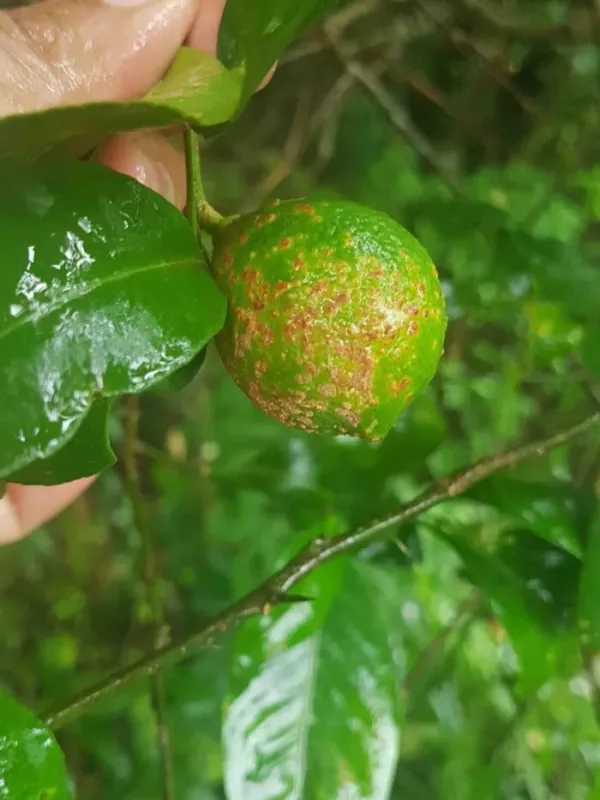
Fruit symptoms typically involve depressed lesions or spots on the rind, which compromise the quality of the citrus fruit. These spots make the fruit aesthetically unappealing and susceptible to secondary decay.
- Chlorotic and necrotic spots on foliage.
- Velvety fungal sporulation on leaf undersides.
- Stunted and distorted twig growth.
- Premature leaf and fruit drop.
- Lesions on the fruit peel reducing market value.
Pathogen
Citrus kassala is a fungal disease caused by a specific pathogen that targets citrus crops. The fungus acts as a specialized parasite, establishing itself within the host's tissues and utilizing them for nutrient acquisition and reproduction.
The life cycle of the pathogen involves the production of spores that are easily disseminated by wind and water droplets. These spores can persist in the environment, particularly within decaying plant matter and bark crevices, waiting for suitable conditions.
Upon infection, the fungal mycelium penetrates the epidermal layers of leaves and stems. Once inside, it grows between the cells, secreting enzymes that break down plant material and disrupt metabolic pathways.
The pathogen's ability to survive in a dormant state allows it to persist in orchards across different seasons. It remains a continuous threat to the health of citrus plantations if not managed effectively.
Successful infection by the fungus depends on its ability to bypass the plant's initial immune defenses. This is often easier in plants that are already stressed or suffering from suboptimal cultivation practices.
Conditions for development
The development and spread of the disease are highly dependent on environmental conditions, specifically temperature and moisture. Warm temperatures between 22 and 28 degrees Celsius are ideal for rapid fungal growth.
High relative humidity is the most critical factor for the widespread outbreaks of the disease. Conditions such as frequent rainfall, morning dew, and fog provide the necessary moisture for spore germination.
Poor orchard sanitation and overcrowding of trees significantly contribute to disease spread. Dense canopies trap moisture and create a stagnant microclimate, which is perfect for the pathogen to flourish.
Orchards located in areas with poor drainage are at a higher risk of infection. Excess moisture near the root zone or in the air contributes to the overall stress of the tree and higher susceptibility to the disease.
Seasonal weather patterns play a major role in the timing of the infection cycles. Periods of high rainfall often coincide with the most vulnerable phases of leaf and fruit development in citrus trees.
Why it matters
The economic impact of Citrus kassala is significant, as it leads to reduced yield and poor fruit quality. Infected groves face increased costs due to intensive control measures and loss of market-ready produce.
Physiologically, the disease hampers the plant's ability to photosynthesize effectively due to foliage damage. This depletion of energy reserves weakens the tree, making it prone to other opportunistic infections.
The loss of foliage leads to decreased vigor in trees, which results in smaller fruit sizes and lower sugar content. These factors directly translate into reduced financial returns for the citrus producer.
If left unmanaged, the pathogen can cause complete tree mortality, especially in younger groves or nursery stocks. This results in the complete loss of investment and the need for expensive replanting efforts.
Furthermore, the physical damage to branches and stems can render the trees structurally unstable. This increases the risk of mechanical failure during periods of high winds or heavy rainfall.
Protection
Integrated pest management remains the most effective strategy against the disease. This includes regular scouting for symptoms and immediate removal of any infected plant material from the orchard.
Proper pruning techniques should be employed to ensure adequate airflow within the canopy. By increasing light penetration and ventilation, the microclimate becomes less conducive to fungal growth.
Chemical control involving copper-based fungicides is often used as a preventative measure. Applications must be timed correctly, targeting the stages of tree development when it is most susceptible to infection.
Maintaining high levels of plant vigor through balanced nutrition and proper irrigation is essential. A healthy tree has a robust natural defense system that can better withstand the pressure of fungal pathogens.
Biosecurity practices, such as disinfecting tools between pruning sessions, are vital for preventing the spread of the pathogen. These simple steps, when implemented consistently, significantly reduce the overall disease burden.
Discussion
No discussions yet — be the first.