
Helenium virus
Helenium virus
Helenium virus (HelV) is a plant pathogen belonging to the genus Potyvirus within the Potyviridae family. It is known to infect various herbaceous perennials, particularly those within the Asteraceae family.
What the section contains
Helenium virus
The virus consists of flexible, filamentous particles containing a single-stranded RNA genome. It acts as an obligate parasite, requiring the metabolic machinery of the host plant to replicate and spread throughout its tissues.
Transmission occurs primarily through insect vectors, with various species of aphids playing the most significant role. These insects acquire the virus during feeding and transmit it to healthy plants in a non-persistent manner.
Mechanical transmission is another common pathway. Handling plants, pruning with contaminated tools, or even direct physical contact between healthy and infected foliage can lead to the spread of the pathogen within a garden setting.
Once inside a host, the virus moves systematically through the vascular system, establishing a chronic infection that persists in the plant's rhizomes and roots year after year.
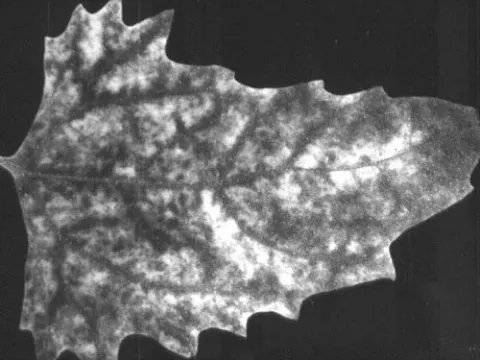
The most common symptoms include mosaic patterns on the foliage, characterized by patches of light and dark green discoloration. This is often the first visible indicator of an underlying viral infection.
Chlorosis, or yellowing of the leaf tissue, is frequently observed. This occurs due to the impairment of chloroplast function and the reduction of chlorophyll production within the affected plant cells.
Plants infected with the Helenium virus often display significant growth retardation. Stunted growth, shorter stems, and reduced leaf size are classic signs that indicate the plant is struggling to maintain its physiological balance.
Floral symptoms are particularly damaging to the plant's ornamental appeal. These may include color-breaking in petals, where atypical streaks or spots of contrasting colors appear, or general distortion of the flower buds.
- Mosaic patterns on leaves
- Chlorotic yellowing
- Leaf deformation and curling
- Stunted growth
- Color-breaking in flowers
The primary harm caused by the Helenium virus is the severe reduction of the plant's aesthetic value. For gardeners and landscapers, this renders infected plants unsuitable for display or commercial use.
Infected plants suffer from weakened physiological processes, including reduced photosynthesis. This makes them significantly more susceptible to secondary environmental stresses like drought, frost, and heatwaves, leading to higher mortality rates.
Reproductive success is compromised as well. Infected plants often produce fewer buds, smaller blossoms, and lower-quality seeds, which disrupts the natural lifecycle of the ornamental perennials.
The weakened state of the plant invites secondary infections. Pathogenic fungi and bacteria often colonize tissues that have been compromised by the viral infection, exacerbating the decline of the specimen.
In a nursery context, the presence of the Helenium virus can lead to substantial financial losses, as entire batches of plants may need to be culled to prevent further spread of the pathogen.
There are no chemical treatments available to cure a plant once it has been infected by a virus. Consequently, the management strategy must focus on prevention and the containment of outbreaks.
Sanitation is paramount. All tools used for gardening must be thoroughly disinfected with alcohol or other appropriate sanitizing agents after each use to ensure that the virus is not carried to healthy plants.
Controlling aphid populations is an essential preventive measure. Regular monitoring and the application of appropriate insecticides can significantly reduce the risk of transmission by these common insect vectors.
When symptoms appear, the affected plants should be promptly identified and removed from the garden. It is vital to dig out the entire plant, including the roots, and destroy it by burning or disposal in a way that prevents viral persistence.
Implementing a strict policy for acquiring new plants is also helpful. Only healthy-looking, virus-indexed stock should be introduced into the garden to prevent the accidental arrival of new infections.