
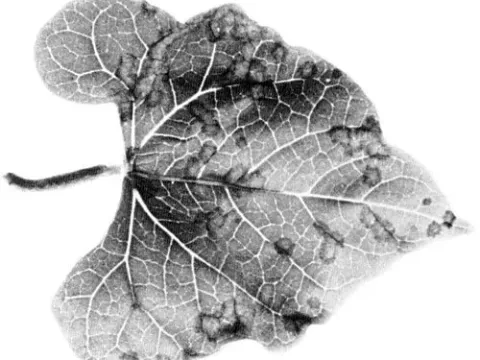
Strophostylis mosaic virus
Comovirus strophostylis
The causal agent is the Strophostylis mosaic virus, a member of the Comovirus genus. This virus is a serious pathogen primarily infecting various species within the Fabaceae family.
What the section contains
Strophostylis mosaic virus
The virus consists of spherical particles containing single-stranded RNA. Upon entering the plant cells, it hijacks the cellular machinery to replicate, causing systemic infection throughout the host.
Transmission is largely facilitated by insect vectors, particularly leaf-feeding beetles. Additionally, the virus can be spread through infected seeds and via mechanical contact during field operations.
The biological stability of this virus allows it to persist in plant debris and alternative hosts, ensuring that the pathogen remains present in agricultural environments across seasons.
Due to its systemic nature, once an infection is established, the virus spreads through the plant's vascular system, making it nearly impossible to cure the individual plant once symptoms appear.
Initial symptoms include the appearance of chlorotic spots on the leaf surface, which eventually develop into a distinctive mosaic pattern of light and dark green areas.
Infected plants often exhibit signs of leaf deformation, including curling, crinkling, or a significant reduction in the size of the leaves compared to healthy counterparts.
A general stunting of plant growth is a common observation. Infected plants remain significantly smaller, showing shortened internodes and a overall reduced vegetative mass.
Reproductive success is severely hampered, with symptoms including flower abortion, failure to set pods, and the development of distorted, undersized pods with shriveled seeds.
Diagnostic confusion can occur as mosaic patterns are common across many plant viruses and nutrient deficiencies, necessitating laboratory analysis for definitive identification.
Optimal conditions for viral spread include warm, humid weather, which encourages the activity and reproduction of insect vectors like beetles, directly increasing infection rates.
The presence of wild legume weeds serves as a reservoir for the virus, allowing it to survive during the off-season and providing a starting point for new infections in crops.
Using seed stock harvested from infected plants is a primary driver of the virus's spread. Infected seeds lead to immediate colonization of new fields upon germination.
Spring conditions that favor early insect emergence can lead to severe outbreaks, as young, vulnerable plants are more susceptible to the impact of the viral infection.
Inadequate agricultural practices, such as failing to remove crop residue and poor weed management, facilitate the long-term persistence of the virus in the field environment.
The virus causes significant yield losses by disrupting photosynthesis and nutrient transport, which prevents the plant from reaching its full physiological potential.
Seed quality is severely degraded, leading to reduced size, weight, and market value. Furthermore, such seeds often show poor germination rates, impacting subsequent planting seasons.
Infected crops show increased vulnerability to secondary stress factors, such as drought, extreme temperatures, and opportunistic fungal or bacterial infections.
Economic damage is twofold: direct losses in grain volume and quality, and increased expenditures on surveillance, pest control, and seed replacement strategies.
The scale of outbreaks can sometimes lead to entire field blocks being unfit for seed production, resulting in substantial financial losses for agricultural enterprises.
The most reliable control strategy is the exclusive use of certified, virus-free seed stocks to prevent the initial introduction of the pathogen into clean fields.
Effective management of insect vectors through strategic insecticide applications is essential to reduce the spread of the virus within and between fields.
Implementing proper field sanitation, including the destruction of weeds and crop debris, is critical to eliminating the virus's environmental reservoirs.
Adhering to strict crop rotation practices disrupts the pathogen's life cycle and lowers the overall inoculum pressure within the soil.
- Regular phytosanitary crop inspections
- Destruction of host weeds in field margins
- Selection of virus-resistant plant varieties
- Implementation of biosecurity measures for field equipment