
Cavemovirus
Cavemovirus
Cavemovirus is a genus of plant viruses in the family Caulimoviridae. The genus name is derived from the "Cassava vein mosaic virus," which serves as the type species for this group.
What the section contains
Cavemovirus
These viruses are characterized by a circular double-stranded DNA genome. They are typically associated with systemic infections in their host plants, particularly tropical crops.
Transmission occurs primarily through insect vectors. Mealybugs and scale insects are the most common carriers that facilitate the spread of the virus while feeding on plant sap.
The virus also propagates through the use of infected vegetative propagules, such as cuttings or tubers, which allows the disease to persist across multiple growing seasons.
Once inside the plant, the virus moves through the phloem to infect various tissues, leading to systemic physiological and developmental disturbances.
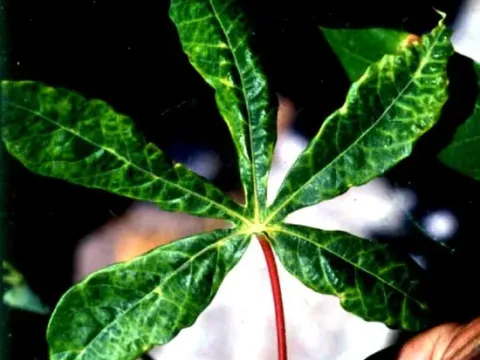
The most distinctive symptom of Cavemovirus infection is the vein mosaic pattern, characterized by chlorosis or yellowing of the leaf tissue adjacent to the veins.
Infected leaves may show severe deformation, curling, or reduction in size, significantly altering the canopy structure of the plant.
Overall plant development is often stunted, leading to reduced vigor and biomass production compared to non-infected, healthy plants.
The vein-clearing or mosaic symptoms are usually persistent and become more pronounced as the plant continues to grow and develop new foliage.
The disease affects both the leaf architecture and the development of underground parts, often leading to smaller and poorly shaped storage organs.
The primary economic impact of Cavemovirus is the reduction in yield and the quality of starch-producing tubers, which are vital for food security in many regions.
Infected plants exhibit reduced photosynthetic efficiency due to leaf chlorosis, which directly contributes to a decrease in final yield weight.
The virus creates physiological stress, making the plants more susceptible to secondary infections from fungi, bacteria, and environmental stressors like drought.
Due to the systemic nature of the infection, affected plants do not recover, necessitating the complete removal and destruction of the infected crops.
The presence of the virus in vegetative material creates a long-term reservoir for the pathogen, complicating the management of agricultural landscapes.
Effective management relies on the use of virus-free planting material, typically generated through meristem tip culture and verified by laboratory indexing.
Controlling the population of insect vectors, such as mealybugs, using systemic insecticides is crucial to preventing the initial spread of the virus.
Strict phytosanitary measures, including the rogueing (removal) and burning of symptomatic plants, help to reduce the primary source of infection in the field.
Maintaining proper hygiene during cultivation practices, such as disinfecting pruning tools, prevents mechanical transmission between plants.
- Implementing crop isolation strategies to keep new plantings away from potential virus sources.
- Selecting resistant or tolerant plant cultivars where available.
- Regular field monitoring to detect early symptoms and limit outbreak clusters.