
Pineapple mealybug wilt
Ampelovirus duananas
The causative agent is the Pineapple mealybug wilt-associated virus, belonging to the genus Ampelovirus. This virus is typically part of a complex that works synergistically to damage plant tissues.
What the section contains
Pineapple mealybug wilt
The virus consists of filamentous particles containing single-stranded RNA. Its ability to cause disease is entirely dependent on its transmission by specific insect vectors within the pineapple field.
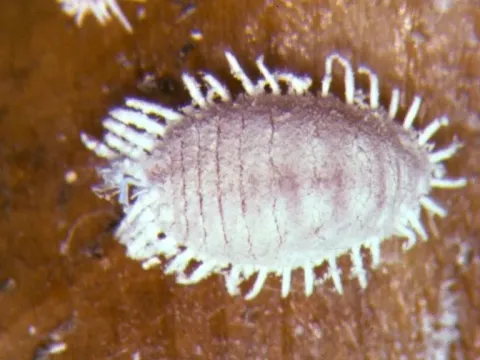
Mealybugs are the primary vectors responsible for transmitting the virus. When these insects feed on the sap of an infected plant, they acquire the virus and subsequently transmit it to healthy ones.
The disease is classified as a systemic viral infection. Once the virus enters the plant, it colonizes the phloem, systemically disrupting the transport of nutrients and essential plant hormones.
Scientific research indicates that the disease is a complex interaction between the virus, the insect vector, and the pineapple host, making it one of the most challenging conditions to manage in pineapple production.
The first signs of infection include a loss of turgor in the leaves, which begin to droop. The foliage often changes color, taking on a reddish-brown or yellowish tint that is characteristic of severe stress.
Leaf tips begin to die back, and the necrosis spreads toward the base of the leaf. Eventually, the entire leaf becomes soft, limp, and lacks the structural integrity of a healthy pineapple plant.
Root system deterioration is a hallmark of the disease. As the virus progresses, the roots lose their ability to absorb water and nutrients, which ultimately leads to the collapse of the plant.
Infected plants are often found in association with mealybug colonies. The symptoms of wilt do not appear immediately, often showing up several weeks after the initial feeding by the vectors.
Affected plants appear stunted and weak compared to healthy ones. They struggle to develop properly and, in advanced stages, fail to produce commercially viable fruits.
Disease development is highly dependent on the population density of the mealybug vector. Environmental conditions that favor insect reproduction, such as warm and dry periods, accelerate the spread of the virus.
Ants play a critical role in the dispersal of the disease. By tending to mealybugs and protecting them from predators, ants significantly increase the rate of virus transmission across the plantation.
Poor agricultural practices, such as planting new crops adjacent to old, infected fields, create bridges for mealybugs to migrate and infect healthy, young plants.
Using infected planting material (slips or suckers) is the primary way the disease is introduced into new areas. If the stock is not treated or screened, the virus spreads rapidly throughout the field.
Lack of routine scouting is a major factor. If growers do not monitor their crops regularly for insect presence, the virus can become well-established before any control measures are implemented.
The economic impact of pineapple mealybug wilt is significant, as it leads to widespread crop failure. The loss of plants reduces total yield and compromises the quality of the harvested fruit.
Because the disease causes the death of the root system, the plants cannot recover, necessitating the complete removal of infected plants from the production cycle.
The cost of managing this disease includes expensive chemical treatments, labor-intensive removal of symptomatic plants, and the potential loss of land usage due to persistent viral presence.
The virus limits the genetic potential of the affected fields. Since the plants are systemically infected, they cannot be used as a source for vegetative propagation, further increasing production costs.
Wilt significantly reduces the profitability of pineapple farming, especially in regions where the virus and the mealybug vector are endemic and difficult to control simultaneously.
The main strategy for control is the rigorous suppression of mealybug populations. Systemic insecticides are commonly applied to reduce the vector numbers and curb transmission rates.
Integrated Pest Management (IPM) practices, including the use of natural predators like lady beetles and parasitic wasps, are encouraged to maintain ecological balance and suppress mealybugs.
Controlling the ants that tend the mealybugs is essential. Targeted ant management programs can prevent the movement of vectors and slow the progression of the virus across the plantation.
Planting only clean, certified, and virus-free material is the foundation of prevention. Thermal treatments of planting material can also be used to eliminate hidden mealybug infestations.
Sanitation practices, specifically the roguing (removal and destruction) of symptomatic plants, are vital to contain the outbreak and prevent the virus from spreading to neighboring healthy sections.