
Pisoniviricetes
Pisoniviricetes
Pisoniviricetes is a large class of viruses characterized by a positive-sense single-stranded RNA genome. Within the field of plant pathology, this class encompasses a wide range of economically significant viruses that cause systemic diseases in various agricultural crops.
What the section contains
Pisoniviricetes
These viruses act as obligate intracellular parasites, hijacking the host plant's protein synthesis machinery to facilitate their own replication. The infection process primarily occurs within the cytoplasm, where viral proteins effectively interfere with the plant's metabolic pathways.
Transmission of Pisoniviricetes is frequently mediated by insect vectors, including aphids, whiteflies, and leafhoppers. These insects ingest viral particles while feeding on plant sap and subsequently transmit the virus to healthy plants during further feeding cycles.
Mechanical transmission is also a significant concern, especially during standard farming operations like pruning, thinning, or mechanical harvesting. Any physical damage to plant tissues provides a pathway for the virus to enter and establish a systemic infection.
The high evolutionary plasticity of these viruses allows them to adapt rapidly to different host species and environmental conditions. This genetic variability poses a substantial challenge for breeders attempting to develop durable resistance in major food crops.
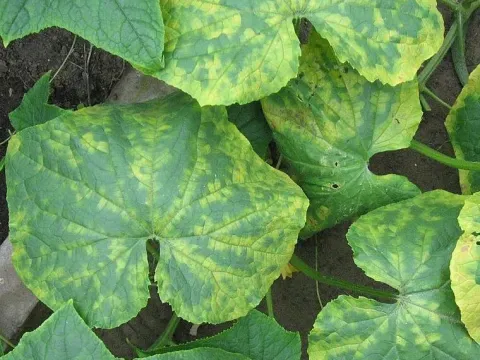
The most common symptom of a Pisoniviricetes infection is mosaic patterning on leaves, characterized by a mix of light green, yellow, and dark green areas. This chlorotic appearance indicates a significant impairment of photosynthetic efficiency.
Plants often exhibit stunted growth and structural deformities. Leaves may become curled, crinkled, or exhibit a narrow, thread-like appearance, which significantly reduces the overall surface area available for photosynthesis.
Fruit quality is often severely compromised, manifesting as irregular shapes, ringspots, or necrotic lesions. Such symptoms render the produce commercially unviable and prone to secondary decay during storage or transportation.
As the infection spreads systemically, the virus reaches all organs of the plant. This persistent presence of the pathogen ensures that the plant remains a continuous source of infection for neighboring crops and local insect populations.
- Mottling and chlorotic mosaic on foliage.
- Leaf distortion, curling, and crinkling.
- Stunted growth and reduced biomass.
- Poor flowering and decreased fruit set.
- Necrotic spots and yield decline.
The spread of these viral infections is highly dependent on the population dynamics of their insect vectors. Periods of warm, dry weather are particularly conducive to the rapid reproduction and migration of aphids and whiteflies, leading to widespread field outbreaks.
Weeds often serve as essential natural reservoirs for these viruses throughout the year. The movement of insect vectors from infected weeds onto emerging crop plants is a critical trigger for the onset of an epidemic within a field.
Intensive farming practices and high plant densities can facilitate the rapid transmission of the virus through physical contact between healthy and infected foliage. Proper field management is essential to break this cycle of transmission.
Environmental stress, such as water shortages or nutrient deficiencies, significantly lowers the plant's ability to defend itself. Stressed plants are much more susceptible to infection and exhibit more severe symptoms compared to well-nourished crops.
The use of infected propagating material—such as seeds, bulbs, or seedlings—remains a major cause of disease outbreaks. Ensuring the cleanliness of starting materials is the foundation of effective viral disease management.
The economic impact of Pisoniviricetes infections is substantial, primarily resulting from severe yield reductions. In many cases, infected plants fail to produce marketable produce, leading to direct revenue losses for farmers.
Beyond quantity, the quality of the harvested crop is often diminished. Factors like size, flavor, and shelf-life are negatively impacted, causing significant issues for supply chain and market acceptance.
Viral infections weaken the host plant's immune system, making them more susceptible to opportunistic secondary infections by fungi and bacteria. This complex infection pattern often results in rapid plant death.
In cases of perennial crops, such as fruit trees or vines, the virus remains within the woody tissues for the lifetime of the plant. This necessitates costly removal and replacement of entire orchard blocks to prevent further spread.
The need for ongoing monitoring, vector control, and potential crop destruction represents a significant increase in production costs, threatening the economic sustainability of affected agricultural operations.
The primary control strategy involves the use of high-quality, certified, and virus-free planting material. Laboratory-tested seedlings are the most reliable way to prevent the introduction of these viruses into new fields.
Rigorous management of insect vectors is crucial for minimizing viral transmission. The application of systemic insecticides during peak periods of vector activity can significantly reduce the infection pressure within a crop.
Maintaining strict field sanitation, including the prompt removal and destruction of infected plants and surrounding weed hosts, is essential. This helps to reduce the primary inoculum load in the agricultural environment.
Implementing crop rotation and maintaining sufficient spatial isolation between susceptible crops are effective cultural practices. These measures disrupt the life cycle of insect vectors and slow down the spread of viral pathogens.
The development and deployment of virus-resistant crop varieties through modern breeding techniques remain the most sustainable solution. Resistant cultivars allow farmers to maintain productivity even in regions with high viral pressure.