
Vizella
Vizella
Vizella (lat. Vizella) is a genus of fungi belonging to the class Dothideomycetes. These are obligate parasites that primarily affect the leaves of woody plants and shrubs.
What the section contains
Vizella
Biologically, this fungus belongs to the Ascomycota group. It forms characteristic fruiting bodies (apothecia or perithecia) directly within the host tissues, using them as its primary nutrient source.
The life cycle of the pathogen is closely linked to plant debris, where the fungus can remain viable during unfavorable periods.
The fungal mycelium penetrates the plant epidermis, causing local changes in cell structure and disrupting the normal process of photosynthesis.
The taxonomy of this genus has been studied by phytopathology experts to develop effective strategies for identifying the pathogen in the early stages.
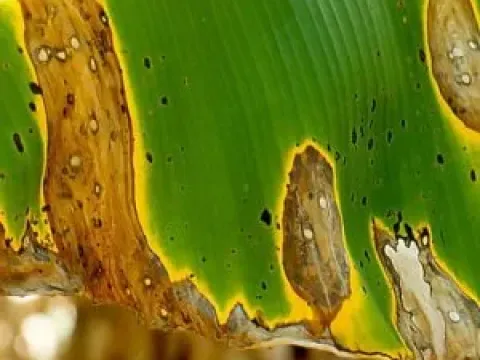
The main symptom of infection is the appearance of characteristic spots on the upper and lower sides of the leaves, often circular or irregular in shape.
In the affected areas, leaf tissue may change color to yellow, brown, or dark gray, which indicates ongoing necrotic processes.
Upon closer inspection with a magnifying glass, small dark dots — the fungus's fruiting bodies — can be seen on the surface of the spots, arranged in groups or scattered.
Severe infection leads to premature yellowing and mass leaf fall, which significantly weakens the plant.
Another characteristic symptom is the deformation of the leaf blade if the infection attacks young, not yet fully expanded leaves.
The development of Vizella is directly dependent on air humidity levels, as fungal spores spread actively in the presence of water droplets.
The optimal temperature range for active mycelial growth is considered to be moderately warm weather accompanied by frequent rainfall.
Dense, poorly ventilated plantings create a microclimate with stagnant moist air, which contributes to the rapid spread of infection to neighboring plants.
Weakened plants, suffering from a lack of mineral nutrition or stress, become the most vulnerable to the penetration of the pathogen.
In gardens and forest nurseries, the spread of the infection often occurs through contaminated leaf litter that has not been disposed of in a timely manner.
Vizella causes direct harm to ornamental and forest cultures, reducing their overall biological productivity and aesthetic value.
Disruption of photosynthetic processes due to leaf damage leads to the accumulation of fewer plastic substances necessary for winter survival.
Long-term infection of shrubs and trees provokes premature aging of shoots and reduces their resistance to low temperatures during winter.
Economic losses manifest in the death of seedlings in nurseries and costs associated with expensive protective measures.
In private and park areas, affected plants lose their decorative appeal, requiring labor-intensive sanitary pruning.
The main preventive method is the thorough collection and subsequent destruction of fallen leaves, where the pathogen's spores are preserved.
It is important to perform regular thinning pruning of the canopy to improve air circulation and reduce humidity inside the bush.
The use of modern systemic fungicides allows for the halting of disease spread in the early stages of development.
Balanced fertilizer application boosts plant immunity, making their tissues less susceptible to the penetration of fungal hyphae.
- Regular monitoring of plant health.
- Timely removal of infected branches.
- Use of high-quality planting material.