
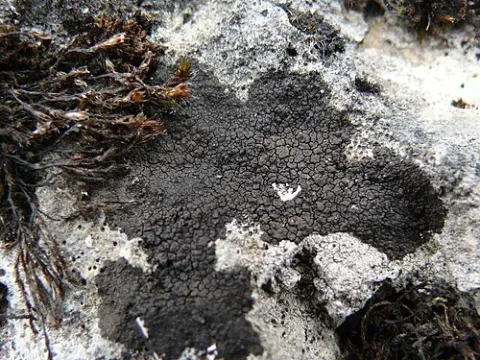
Verrucariales fungi
Verrucariales
Verrucariales is an order of fungi within the class Eurotiomycetes, typically characterized by their association with rocky substrates or tree barks.
What the section contains
Verrucariales fungi
In a pathological context, these fungi can act as opportunistic pathogens that compromise the surface tissues of various woody plant species.
The organism reproduces through specialized structures known as perithecia, which appear as small, dark dots embedded within the host's surface layers.
Their biological survival strategy involves a slow but persistent colonization process, often utilizing the host's physical weaknesses to gain a foothold.
Understanding the life cycle of these fungi is essential for agricultural specialists aiming to mitigate their presence in commercial orchards.
The most visible symptoms include the appearance of tiny, black, carbonized-looking spots on the bark, which represent the fruiting bodies of the fungus.
Over time, the affected areas may show signs of tissue discoloration, turning grey or brown as the internal cells of the plant begin to degrade.
Surface cracking or flaking of the bark is a common indicator that the infection has progressed deeper into the cambium layers of the plant.
Infected branches often display signs of general decline, including reduced shoot growth and a lackluster appearance of the foliage during the season.
- Black spot clusters on bark
- Discoloration of plant surfaces
- Bark cracks and lesions
- Stunted vegetative growth
- Premature branch dieback
These fungi thrive in high-humidity environments where moisture is retained on the surface of plants for extended periods after precipitation.
Cool to moderate temperatures provide the optimal environment for the proliferation of spores and the development of mature reproductive bodies.
Poor airflow within dense canopies significantly increases the risk of infection by preventing the natural evaporation of surface moisture.
Physical injuries to the plant, such as those caused by frost, pruning wounds, or pest damage, serve as primary entry points for these pathogens.
Abandoned or poorly maintained orchards with high levels of organic debris provide a steady reservoir for the continued spread of the fungi.
The main danger posed by Verrucariales is the weakening of the host plant, making it highly susceptible to secondary bacterial and fungal infections.
Persistent colonization disrupts the normal physiological functions of the bark, leading to impaired nutrient and water transport to the shoots.
Chronic infections lead to long-term productivity losses, as the plant redirects energy from fruit production toward healing damaged tissues.
If left unmanaged, the cumulative stress can result in the loss of major structural branches, significantly reducing the lifespan of the plant.
Economic losses are often associated with the increased labor required for cleaning, pruning, and applying protective treatments to affected crops.
Effective management begins with strict sanitation, including the pruning and safe disposal of all heavily infected branches to reduce spore loads.
Applying copper-based fungicides during the dormant season is a standard practice to eliminate overwintering spores before the new growth begins.
Maintaining tree vigor through balanced fertilization and correct watering practices ensures that plants remain resilient against fungal encroachment.
Regular inspection of bark integrity allows for early detection, enabling spot treatments rather than widespread chemical intervention.
Protecting pruning wounds with appropriate sealants can significantly reduce the risk of secondary infections, including the colonization of Verrucariales.