
Thyrostroma
Thyrostroma
Thyrostroma is a fungal disease caused by various species of the Thyrostroma genus. This pathogen is known to cause severe bark necrosis and dieback in various deciduous tree species.
What the section contains
Thyrostroma
The fungus invades the host's bark tissues, specifically targeting the cambium layer. By disrupting the vascular system, the fungus prevents the transportation of water and nutrients throughout the branch, leading to necrosis.
Spores are dispersed by wind, splashing rain, and insect activity. Once they land on a susceptible surface, such as a bark wound or an unhealed pruning cut, the fungus begins its colonization.
The pathogen can survive in dead bark for extended periods within specialized structures like stroma or pycnidia. It remains dormant during harsh conditions and reactivates during warm and humid weather.
Understanding the biology of Thyrostroma is essential for disease management, as the fungus is highly adaptive and can exploit even minor injuries on a tree's surface.
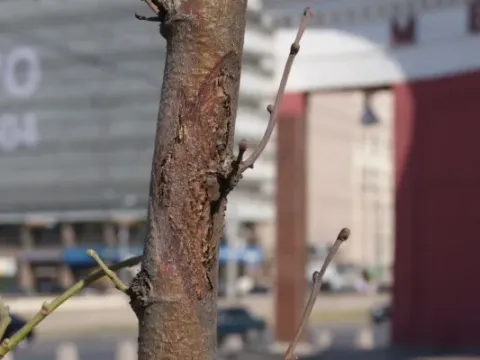
The most distinctive symptom of Thyrostroma is the appearance of dark, irregular patches on the bark of branches or main stems. These areas often appear sunken as the underlying tissue dies.
Small, dark, cushion-like structures (fruiting bodies) emerge through the bark cracks. These structures are reproductive organs that release spores, further spreading the infection within the garden.
Leaves on infected branches often display early chlorosis, wilting, and premature leaf drop. The progression of the disease typically follows a dieback pattern, moving from the tips of the branches downwards.
A cross-section of an infected branch often reveals darkened or discolored wood beneath the damaged bark, indicating that the fungal infection has reached deep into the cambium.
Advanced stages of the disease feature extensive cankers or lesions that may girdle the branch, cutting off all biological connectivity to the distal parts of the tree, which subsequently die.
High humidity and consistent rainfall are the primary environmental drivers for the development and spread of Thyrostroma. Wet weather provides the necessary moisture for spore germination.
Trees stressed by poor site conditions, improper irrigation, or nutrient deficiencies are significantly more susceptible to infection. Stress compromises the tree's natural defense mechanisms.
Mechanical injuries, such as pruning cuts, hail damage, or bark abrasions, are prime infection sites. The exposed inner tissue is highly attractive to the pathogen's spores.
Overcrowded plantings that lack adequate airflow create a localized high-humidity microclimate, which significantly accelerates the rate of fungal spread between trees.
Winter injuries, such as frost cracks or sunscald, serve as entry points for the fungus. Early spring weather, characterized by alternating freezing and thawing, can exacerbate these injuries, making them prone to colonization.
Thyrostroma severely impacts the aesthetic value and structural health of ornamental and fruit trees. Extensive dieback ruins the natural canopy shape and vigor of the specimen.
Reduced photosynthetic capacity caused by branch loss results in diminished growth rates and overall decline. Severely infected trees may struggle to survive over several seasons.
The disease weakens the tree's constitution, making it a target for secondary pests, particularly wood-boring insects that thrive on compromised or dying trees.
In commercial nurseries, this disease is a significant concern because it can lead to massive stock rejection, resulting in substantial financial losses for the grower.
Without intervention, the persistent advancement of bark necrosis will inevitably lead to the death of major scaffold branches or the entire tree, necessitating costly removal and replacement.
The most effective management strategy is rigorous sanitation. All infected branches must be pruned well below the visible necrosis and destroyed immediately to eliminate the source of inoculum.
- Sterilize all pruning equipment between cuts using alcohol or copper-based solutions to prevent cross-contamination.
- Seal all large pruning wounds with specialized tree wound dressings to prevent new infections while the tree heals.
- Apply preventative copper-based fungicides in early spring to protect healthy bark during the critical infection window.
- Improve overall tree health through proper fertilization and irrigation, which promotes stronger plant defenses against pathogens.
Integrated pest management programs that include dormant-season sprays can effectively reduce the population of overwintering spores, providing a better starting point for the new growing season.
Routine scouting of the orchard or garden is critical for early detection. Identifying the symptoms of Thyrostroma early allows for minor surgical intervention rather than the loss of major tree components.