
Tiger Tricholoma
Tricholoma tigrinum
Description
Symptoms
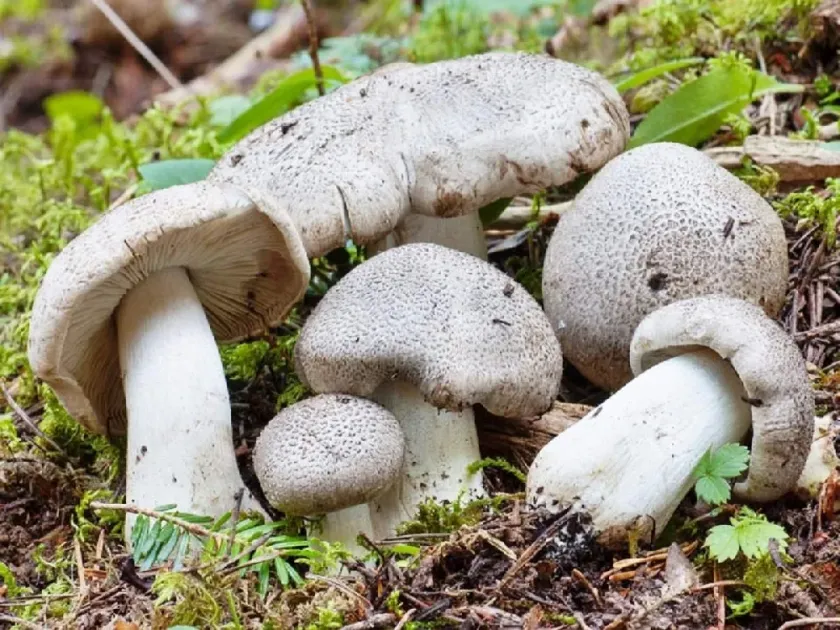
The fruiting body of the Tiger Tricholoma is robust and large. The cap typically reaches a diameter of 10 centimeters, transitioning from a semi-spherical shape to a flattened or slightly depressed form as it matures.
The primary diagnostic feature is the appearance of the cap, which features dark, grayish-brown scales on a paler background. This pattern resembles the markings of a tiger, which serves as the common name for the species.
The gills are frequent and adnate, showing a white to yellowish color. Importantly, the flesh of the fungus does not undergo color changes when bruised or cut, which is a key trait for mycological identification.
The stem is thick, fleshy, and usually white or grayish in appearance. It lacks a ring and often shows a slight swelling at the base, differentiating it from many similar-looking edible species.
The flesh is firm and possesses a pleasant, mealy odor. Despite its non-offensive smell, it is highly toxic and causes severe gastrointestinal distress if ingested by humans.
Pathogen
The Tiger Tricholoma, scientifically known as Tricholoma tigrinum (often referred to as Tricholoma pardinum), is a basidiomycete fungus from the Tricholomataceae family. It is not a plant pathogen and does not cause diseases in agricultural crops.
Biologically, it functions as a mycorrhizal symbiont, forming beneficial associations with the root systems of various forest trees. Within the context of agronomy, its presence is merely an indicator of soil and ecological conditions rather than a threat to productivity.
The mycelium of the fungus is an active decomposer of forest organic matter. While it does not affect cultivated plants, understanding its ecology is useful for field monitoring, as it appears in areas bordering forests and agricultural lands.
Its life cycle depends heavily on the presence of symbiotic tree hosts. The fungus is entirely ecological in nature, serving as a nutrient recycler within the forest floor, and holds no negative impact on modern crop farming techniques.
Researching this species within an agricultural context serves solely to prevent accidental consumption by staff or locals, given the significant risk it poses to human health if mistaken for edible varieties.
Conditions for development
Tiger Tricholoma thrives in calcareous (lime-rich) soils, which strictly limits its natural distribution. It is most commonly encountered in mountainous or highland forest environments.
Optimal development conditions include moderate soil moisture and the presence of symbiotic tree species such as spruce or beech. The fungus rarely colonizes open, disturbed field areas.
The peak period for fruiting body production occurs during the autumn months, typically from September through October. Temperature drops below 5 degrees Celsius can slow its growth cycle significantly.
The fungus prefers shaded environments with deep leaf litter, which helps maintain the stable microclimate required for mycelial health. It is highly sensitive to extreme desiccation.
Spore dissemination occurs primarily through wind currents, allowing the fungus to colonize adjacent suitable habitats when the environmental criteria for mycorrhizal establishment are met.
Why it matters
The primary danger posed by the Tiger Tricholoma is its severe toxicity to humans. Ingestion leads to an acute gastrointestinal syndrome that can be life-threatening if medical intervention is delayed.
Symptoms typically appear within an hour of consumption, manifesting as intense abdominal cramping, persistent vomiting, and severe diarrhea. Dehydration is a common complication requiring clinical treatment.
There is no evidence of harm to agricultural plants. The fungus lacks the biochemical pathways necessary to parasitize or damage live plant tissues, making it harmless to commercial crops.
The indirect harm to the agricultural sector lies in the potential risk to workers who may confuse this fungus with edible mushrooms during seasonal foraging on farm premises or forest boundaries.
Health incidents among agricultural labor forces can reduce productivity and incur medical costs, reinforcing the need for clear safety guidelines regarding wild mushroom foraging in the vicinity of farmlands.
Protection
Since the Tiger Tricholoma is not a plant pathogen, no chemical control or fungicide application is necessary. Treating fields for this fungus would be economically and ecologically counterproductive.
The most effective preventive measure is employee education. Providing clear, visual information about poisonous mushrooms found in the local area can prevent accidental ingestion and subsequent health risks.
Mechanical removal of fruiting bodies is only suggested in recreational or rest areas for farm workers to minimize any chance of accidental contact or consumption.
Marking restricted areas or advising staff to avoid specific forest patches where the mushroom is known to cluster is a prudent administrative step for any large-scale agricultural business.
Public awareness campaigns remain the best defense, ensuring that staff can correctly identify dangerous specimens and maintain safety standards while working near forest edges.
Discussion
No discussions yet — be the first.