
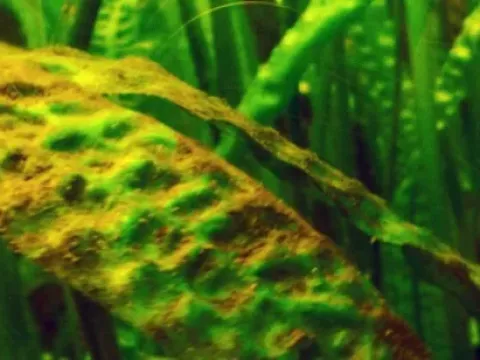
Surirellaceae algae
Surirellaceae
Surirellaceae is a family of diatom algae that, while not a conventional plant disease, acts as an aggressive bio-contaminant in hydroponic and aquaponic systems.
What the section contains
Surirellaceae algae
These organisms are characterized by their unique frustules, which are hard, porous shells made of silica, providing them with significant environmental durability.
As biological entities, they thrive in nutrient-rich solutions, effectively competing with crop plants for essential minerals and space in the root zone.
They are categorized as epiphytic contaminants that can rapidly colonize surfaces, leading to biofilm formation that disrupts standard agricultural processes.
Their reproductive strategy involves binary fission, which allows them to colonize entire irrigation systems within a short period under favorable conditions.
The primary symptom of a Surirellaceae infestation is the appearance of a brownish-yellow, slimy layer on roots, pipes, and reservoir surfaces.
Roots may appear discolored, turning dark and slippery, which can often be misdiagnosed as root rot or other fungal pathogens.
The presence of a rough, gritty texture on submerged surfaces is a strong indicator of these diatoms, due to their siliceous cell walls.
Crop plants show signs of stunted development, wilting, and overall weakness despite seemingly optimal environmental conditions.
A noticeable musty or earthy odor often emanates from the nutrient solution during an active outbreak of these algae.
The primary driver for Surirellaceae development is exposure to light, which triggers photosynthesis and rapid population growth in nutrient-dense water.
High levels of dissolved minerals, particularly nitrogen and phosphorus, provide the essential nutrients needed for these algae to flourish.
Stable water temperatures between 18°C and 25°C create an optimal metabolic environment for the algae to maintain high colonization rates.
Poor circulation and stagnant water zones within the growing system act as hotspots for the formation of dense algal mats.
High pH levels in the nutrient solution can further stabilize the chemical environment for their growth, making water chemistry management crucial.
These algae cause significant harm by physically blocking root surfaces, thereby reducing the plant's ability to absorb essential water and nutrients.
The competition for dissolved oxygen is critical, as excessive algal respiration can lead to hypoxic conditions in the root zone, causing cell damage.
Accumulated algal biomass can clog irrigation emitters, pumps, and filters, leading to mechanical failures and inconsistent delivery of nutrients to the crops.
Decaying algae release organic compounds that alter water quality and serve as a breeding ground for other secondary bacterial and fungal pathogens.
Overall, the infestation leads to reduced crop yield, lower product quality, and increased maintenance costs for the entire growing facility.
Light management is the most effective preventative measure; ensuring all reservoirs and supply lines are opaque prevents algal photosynthesis.
Installation of UV sterilization units in the water circulation path helps to systematically eliminate algal cells and prevent the spread of spores.
Periodic disinfection of the system using food-grade hydrogen peroxide solutions helps to safely remove existing biofilms from surfaces.
Regular maintenance including filter cleaning and monitoring of nutrient ratios helps to limit the availability of excess resources for algal growth.
Maintaining a clean operating environment and performing full system flushes between growing cycles minimizes the risk of recurring infestations.