
Sutorius
Sutorius
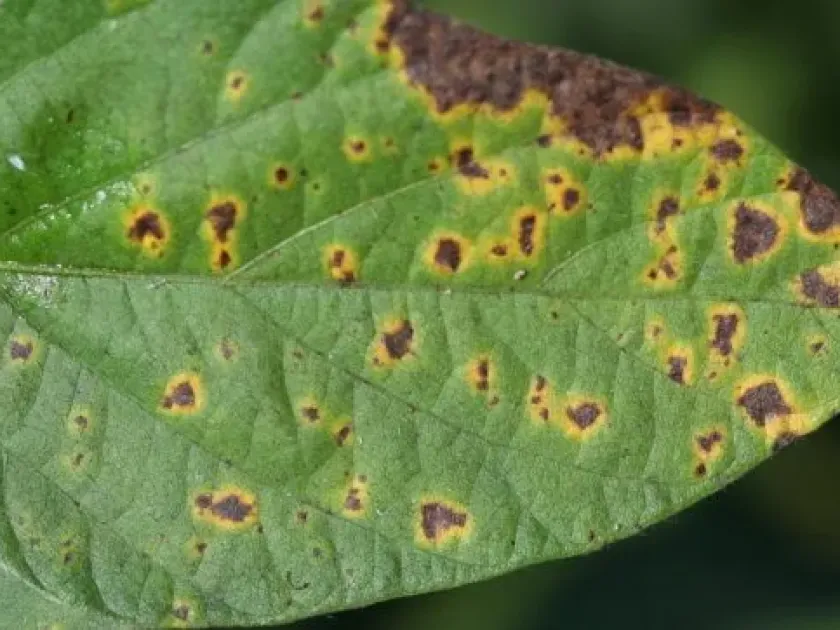
Description
Symptoms
The primary symptom of a Sutorius infection is an overall reduction in plant vigor. Infected specimens show stunted growth, reduced leaf surface area, and chlorotic coloring.
Roots show clear signs of necrosis. They often turn dark brown or black and become soft or mushy, indicating the destruction of the plant's nutrient uptake system.
Wilting is a common occurrence even in irrigated fields. This is due to the physical blockage of the xylem by the fungal mycelium, which prevents the upward movement of water.
In humid conditions, a visible fungal mycelium might appear near the root collar. This indicates the pathogen is spreading and potentially releasing more spores into the soil.
- Stunted growth and premature yellowing of foliage.
- Root discoloration and softening of tissues.
- Daily wilting patterns despite adequate soil moisture.
- Reduced yields and poor fruit development.
Pathogen
Sutorius is a genus of fungi that can manifest as a plant pathogen under specific environmental conditions. While historically known in mycological terms, its impact on agriculture relates to the colonization of root systems.
The pathogen is primarily soil-borne, utilizing its mycelium to permeate the root cortex and vascular tissues of susceptible plant species. It survives in the soil as dormant spores until favorable conditions appear.
Infection is usually triggered by contact between the pathogen and the root zone. Once penetrated, the fungus produces enzymes that break down plant tissues, creating favorable entry points for further damage.
The biological cycle of the fungus is closely linked to soil moisture levels and organic matter content. It thrives in areas with poor drainage and high microbial competition imbalances.
Genetic factors in the host plant and the specific strain of the fungus determine the severity of the infection and the speed of colonization across the plantation.
Conditions for development
Excessive soil moisture is the primary driver for the development of Sutorius. Waterlogged soil prevents root respiration and creates an ideal anaerobic environment for the pathogen.
Temperature plays a crucial role in disease progression. The fungus is most active in soil temperatures ranging from 18°C to 24°C, which are common during the growing season.
Poor aeration in the soil profile contributes to the rapid spread of the disease. Compacted soils provide less oxygen, further weakening the host plant's defensive systems.
An imbalance in soil fertility, specifically excessive nitrogen without sufficient potassium, encourages succulent growth that is more easily invaded by the fungus.
Mechanical damage to roots during cultivation provides easy access for the fungus to enter the plant, accelerating the onset of systemic symptoms.
Why it matters
The impact of Sutorius on agricultural crops can be devastating, leading to partial or total loss of harvests. It directly affects the plant's ability to process nutrients.
Beyond reducing yields, the disease lowers the overall quality of agricultural products, making them less suitable for storage or commercial sale.
The pathogen is highly persistent, remaining in the soil for several growing seasons. This poses a long-term threat to any susceptible crop planted in the same field.
Economic losses arise not only from decreased yields but also from the increased cost of soil sterilization and management measures required to control the spread.
The pathogen’s ability to move through soil water means that localized infections can rapidly expand to cover an entire field if not identified and addressed early.
Protection
The cornerstone of managing Sutorius is strict crop rotation. Avoiding host plants for several years allows the pathogen population to decline naturally.
Improving soil structure through deep tillage and adding drainage systems helps prevent the water accumulation that this fungal pathogen needs to thrive.
Biological control agents, such as beneficial fungi or bacteria applied to the soil, can significantly inhibit the development of the pathogenic mycelium.
Chemical intervention using systemic fungicides is recommended during early development stages, particularly in high-risk areas or greenhouses.
Post-harvest sanitation is critical. Removing and destroying all infected crop debris prevents the accumulation of the pathogen in the soil for the next season.
Discussion
No discussions yet — be the first.