
Surirellales algae
Surirellales
Description
Symptoms
The most visible sign of an algal outbreak is the appearance of a brown, rusty, or greenish-brown slippery film on the surface of the growth medium or the inner walls of pipes and reservoirs.
In hydroponic crops, restricted water flow is a common secondary symptom. As algae grow, they physically clog emitters, drippers, and filtration systems, leading to uneven irrigation and potential water stress for plants.
Root systems might appear discolored or coated with a fine, muddy layer. This film acts as a barrier, preventing oxygen from reaching the root hairs and inhibiting the uptake of essential macro- and micronutrients.
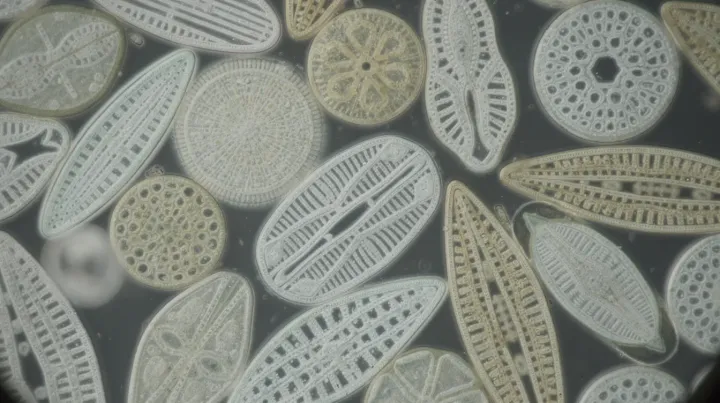
Microscopic examination of the growth often reveals the distinctive morphology of the Surirellales order, characterized by their flattened, oval or "wing-like" shapes. Observing these structures confirms the diagnosis.
Plants affected by significant algal coverage often show stunted growth, leaf chlorosis, and general signs of nutrient deficiency, regardless of the quality of the nutrient solution being applied.
Pathogen
Surirellales is an order of diatom algae known for their unique wing-like shape and silica-based cell walls. In agricultural settings, particularly in hydroponics and greenhouse systems, these algae can form dense, slimy colonies that negatively impact plant health.
These organisms are photosynthetic, meaning they require light and specific mineral nutrients, such as silica and nitrogen, to thrive. They are not plant pathogens that infect plant tissues directly, but rather opportunistic colonizers of moist environments.
The biology of Surirellales is characterized by rapid reproduction rates in the presence of nutrient-rich water. Their ability to form hard, shell-like structures (frustules) makes them quite resilient to environmental fluctuations.
They thrive primarily in systems where water quality is compromised or where light exposure is uncontrolled. Once established, they can create a thick biological film that covers equipment, substrates, and even root surfaces.
The ecological impact of these algae on crops is significant because they effectively compete for space and resources, creating a negative feedback loop for the host plants that are trying to grow in the same environment.
Conditions for development
The primary factor facilitating the development of Surirellales algae is exposure to high-intensity light in water tanks or substrate surfaces. Any light penetrating the hydroponic system triggers immediate photosynthetic activity.
High temperatures in the nutrient solution, typically exceeding 22°C (72°F), accelerate their growth cycle. Warm water creates an optimal breeding ground for these colonies to expand rapidly across all exposed surfaces.
Elevated levels of minerals, particularly nitrogen and phosphorus, provide the essential fuel for massive algal blooms. Fluctuations in nutrient balance can exacerbate the problem, allowing algae to outperform the crops.
Poor circulation and the presence of stagnant water zones allow the spores of these algae to settle and form cohesive biofilms. Without sufficient water movement, the colonies can become firmly established.
Inadequate sanitation protocols between crop cycles serve as a major pathway for the reintroduction of these algae into the greenhouse environment, as spores remain dormant on equipment surfaces.
Why it matters
The main harm caused by Surirellales algae is their intense competition for minerals. They assimilate nutrients faster than plants, leading to severe deficiencies that reduce crop yield and overall quality.
Physical damage occurs when the algae obstruct irrigation infrastructure. Clogged pipes and emitters can cause localized drought, leading to the dehydration and potential death of young plants.
Metabolic excretion products from the algae can significantly shift the pH levels of the nutrient solution. This destabilizes the availability of iron and other essential micronutrients to the plants.
The development of thick biofilms inhibits root respiration. By blocking gas exchange with the environment, algae force the roots into an anaerobic state, often resulting in root rot and decay.
Algal mats provide an ideal habitat for secondary pests, such as fungus gnats, which are attracted to the moist, decaying organic matter that accumulates alongside the algae.
Protection
Light exclusion is the most critical prevention strategy. Ensuring that all reservoirs, pipes, and growth trays are opaque prevents the algae from performing photosynthesis, which effectively starves them.
Regular sanitation of the irrigation system is essential. Using food-safe cleaning agents or hydrogen peroxide at recommended concentrations can eliminate algal films and spores without harming the primary crop.
Monitoring and stabilizing nutrient levels is key to suppression. By maintaining precise concentrations of nitrogen and phosphorus, growers can prevent the conditions that favor algal blooms over plant growth.
Improving water circulation and implementing strong aeration strategies can disrupt the conditions necessary for algal attachment and biofilm formation on the sides of system components.
Using biological control agents that compete for nutrients or inhibit algal growth can provide a sustainable way to keep populations under control in larger production systems.
Discussion
No discussions yet — be the first.