
Phoma leaf spot of valerian
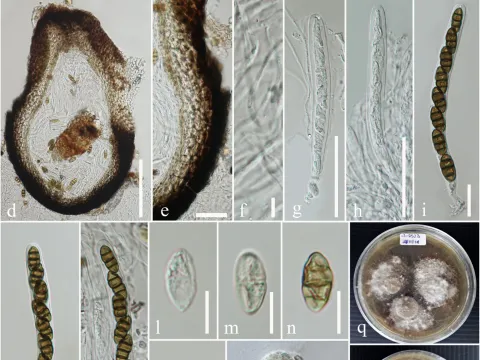
Subplenodomus valerianae
The primary symptom of this disease is the development of distinct spots on the leaves of valerian plants. These spots often appear circular or irregular with a dark, necrotic margin.
What the section contains
Phoma leaf spot of valerian
Small black structures known as pycnidia develop in the center of these lesions. These are the fruiting bodies of the fungus and are clearly visible upon close examination with a magnifying glass.
Infection can spread rapidly to the petioles and the crown of the plant, often leading to necrosis and premature wilting of the affected foliage.
The roots and rhizomes may also show symptoms of dry rot, which compromises the integrity and quality of the medicinal product during the harvesting and storage processes.
In advanced cases, the entire plant may show stunted growth and a general decline in vigor, making the crop highly susceptible to secondary pathogens.
The causative agent of the disease is the fungus Subplenodomus valerianae. It is a specialized pathogen that thrives on the tissues of Valeriana officinalis.
The pathogen reproduces via pycnidia, which release large quantities of conidia. These spores are designed for effective dispersal across the field via rain splashing and wind currents.
The fungus is capable of surviving as a saprophyte on plant debris, allowing it to persist in the soil for several growing seasons until a host crop is planted again.
Biologically, the fungus is highly adapted to the host, meaning it can initiate infection very quickly when environmental conditions become favorable for its growth.
The genetic variability of the fungus contributes to its persistence in various agricultural environments, making it a challenging pathogen to eradicate once established.
Phoma leaf spot development is strictly dependent on moisture. Prolonged rainy weather and high humidity are the most critical factors for the spread of the pathogen.
Optimal temperatures for infection range from 18 to 22 degrees Celsius, which is common in many valerian-growing regions during the primary growing season.
Poor field management, such as overcrowding of plants, reduces airflow and increases the micro-humidity within the crop canopy, significantly favoring fungal proliferation.
Soils that lack proper drainage or are compacted can create stress for the plants, making them more vulnerable to root-associated infections caused by the fungus.
High nitrogen levels without balancing fertilizers can lead to succulent, rapid growth that is structurally weaker and more easily penetrated by the fungal mycelium.
The economic impact of Phoma leaf spot is centered on the loss of root biomass, which is the commercially valuable part of the medicinal valerian plant.
Disease pressure alters the metabolism of the plant, often leading to a reduction in the content of essential oils and other active pharmaceutical compounds.
Infection significantly reduces the overall photosynthetic capacity of the plants, resulting in stunted root development and decreased yields per hectare.
Post-harvest losses are significant, as infected rhizomes are highly prone to storage rots, which can spoil an entire batch of high-value medicinal raw material.
The necessity for frequent fungicide applications increases production costs and may impact the organic certification status of the medicinal farm.
The first line of defense is a strict multi-year crop rotation strategy to break the life cycle of the fungus and deplete its inoculum in the soil.
Sanitation practices, including the removal and destruction of crop residues after harvest, are essential to minimize the primary source of infection for the next cycle.
Applying appropriate fungicides during the early stages of disease development is crucial to prevent the pathogen from reaching the rhizomes and causing severe damage.
Improving field drainage and optimizing plant spacing can significantly reduce the humidity levels that favor fungal growth and disease spread.
- Monitoring fields for the first signs of leaf lesions.
- Using high-quality, disease-free planting material.
- Balancing soil nutrients to support natural plant resistance.