
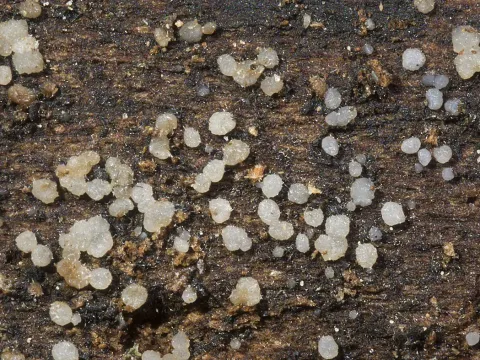
Strossmayeria basitricha
Strossmayeria basitricha
Strossmayeria basitricha is an ascomycete fungus that primarily exists as a saprotroph on decaying plant debris. However, under specific agro-climatic conditions, it may act as an opportunistic pathogen affecting various crops.
What the section contains
Strossmayeria basitricha
The fungus belongs to the order Helotiales and is characterized by the production of apothecia — cup-shaped fruiting bodies that facilitate the release and dispersal of spores into the surrounding environment.
The pathogen persists in the soil or on crop residues through mycelium and dormant structures, which allow it to survive periods of unfavorable weather conditions until the next growing season.
Microscopic analysis reveals septate hyphae and distinct ascospores that are adapted for survival and dissemination. These structural features allow the fungus to effectively colonize host tissues.
Although it is not classified as a primary high-virulence pathogen, its ability to thrive on weakened plant tissues makes it a relevant concern for integrated pest management programs.
The disease symptoms typically appear as necrotic lesions on leaves, stems, or other aerial parts of the plant. These spots often start as chlorotic areas before turning brown or necrotic.
As the disease progresses, small dark fruiting bodies may emerge on the surface of the lesions, serving as a diagnostic sign that the fungus is in its reproductive phase.
Infected leaves may curl, wither, and drop prematurely, leading to a significant reduction in the plant's photosynthetic capacity and overall vigor.
When stems are affected, the pathogen can disrupt vascular function, leading to wilting symptoms, particularly during periods of high water demand or heat stress.
Under high humidity, a fine mycelial growth or sporulation layer may be visible to the naked eye, particularly on the underside of leaves or within dense plant canopies.
High relative humidity, typically exceeding 85%, is the primary environmental driver for the germination of Strossmayeria basitricha spores and the subsequent infection of host plants.
The optimal temperature range for the development of this fungus is between +15°C and +22°C. Cool, rainy weather patterns significantly exacerbate the spread of the disease.
Poor aeration in dense crop stands creates a stagnant microclimate with trapped moisture, which is ideal for the rapid proliferation of the fungal pathogen.
Crop debris left on the soil surface acts as a major inoculum reservoir, providing the necessary nutrients for the fungus to complete its life cycle.
Plants subjected to physiological stress, such as nutrient deficiencies or wounding, show increased susceptibility to colonization by this opportunistic fungus.
The primary economic harm caused by Strossmayeria basitricha is the reduction of green leaf area, which limits biomass production and ultimately decreases final crop yields.
Premature senescence of the foliage restricts the nutrient translocation process, which may lead to reduced quality and weight of the seeds or harvested fruit.
Severe infections can weaken the plant architecture, making it more susceptible to lodging or secondary invasions by other opportunistic pathogens and pests.
The loss of photosynthetic efficiency can significantly impact the plant's ability to recover from other abiotic stresses, such as drought or heat waves.
For crops intended for storage or processing, the presence of fungal infections can reduce shelf life and overall marketability due to quality degradation.
An effective control strategy begins with cultural practices, specifically crop rotation, which breaks the pathogen's life cycle by removing the availability of host tissues.
Deep incorporation of crop residues into the soil is essential to accelerate the decomposition process and reduce the inoculum potential of the soil surface.
Fungicide application during the early stages of disease appearance, specifically using triazoles or strobilurins, can effectively suppress the growth and sporulation of the fungus.
Seed treatment is a critical preventative measure, providing early-stage protection against soil-borne inoculum and ensuring vigorous seedling establishment.
- Maintaining optimal planting density to improve air circulation.
- Balanced fertilization to promote plant health and resistance.
- Consistent field scouting to detect early infection symptoms.
- Effective weed management to remove alternative pathogen hosts.