
Nematospora
Nematospora
The causative agent of this disease is a yeast-like fungus of the genus Nematospora, which is known to cause significant damage to various fruit and nut crops.
What the section contains
Nematospora
This pathogen is characteristically transmitted by hemipteran insects, particularly stink bugs, which introduce the fungal spores into the fruit tissue while feeding.
Nematospora acts as a semi-parasite, thriving within the tissues of the host plant and consuming the nutrients found in the developing seeds and fruits.
The biological cycle of the fungus is tightly linked to the life cycle of its insect vectors, which provide the primary pathway for infection within orchards and fields.
Microscopic analysis reveals elongated spores that allow the fungus to colonize host tissues rapidly once the initial physical entry has been made.
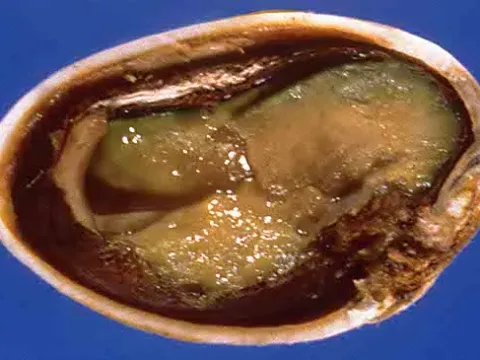
The most distinctive symptom of Nematospora is internal damage to seeds and fruit flesh, which is often not visible from the exterior of the plant.
When infected seeds or nuts are cracked open, they often show signs of necrosis, browning, and shriveling, rendering them commercially worthless.
Affected tissues can become spongy or dry, often emitting a distinct yeast-like or fermented odor due to the metabolic activity of the fungus.
Small punctures on the skin of the fruit, created by insects, serve as entry points where localized discoloration and decay eventually develop.
Severe infestations lead to a complete loss of crop quality, often resulting in fruit that appears outwardly intact but is entirely rotten inside.
The development and spread of Nematospora are heavily dependent on the population density of its insect vectors during the growing season.
High humidity and warm weather provide favorable conditions for the fungal colonies to proliferate rapidly once the spores have been introduced by feeding insects.
The vulnerability of the crop is highest during the ripening stage, when the nutrient-rich developing seeds attract a large number of vector insects.
Poor sanitation, such as failing to remove infected fruit or weeds that host the vectors, significantly increases the pressure of the disease.
Effective infection occurs most readily when the fruit surface is damaged, making it easy for the fungal spores to bypass the natural protective barriers.
The economic impact of Nematospora is substantial, as it leads to high rates of crop rejection during grading and sorting processes.
Seed-bearing crops suffer from reduced germination rates if they are infected, leading to poor stand establishment in the following season.
In the nut industry, Nematospora is a major cause of internal rot, which ruins the reputation of producers and leads to massive financial losses.
Beyond direct yield loss, the infection can make produce susceptible to secondary microbial colonization, further accelerating post-harvest decay.
The need for intensive pest management programs to control the vectors adds significantly to the overall production costs for affected farmers.
Effective control focuses primarily on integrated pest management (IPM) strategies to suppress the populations of insect vectors.
Applying appropriate insecticides during the most susceptible growth stages of the crop is the most common method to prevent infection.
Cultural practices, including the removal of weeds that act as alternative hosts for the insects, are essential for long-term disease management.
Orchard sanitation, including the prompt removal and disposal of fallen or infected fruits, helps in reducing the overwintering inoculum of the pathogen.
- Regular monitoring of insect vector populations.
- Use of certified pathogen-free seeds.
- Strategic application of targeted fungicides during bloom and fruit set.