
Nemania serpens
Nemania serpens
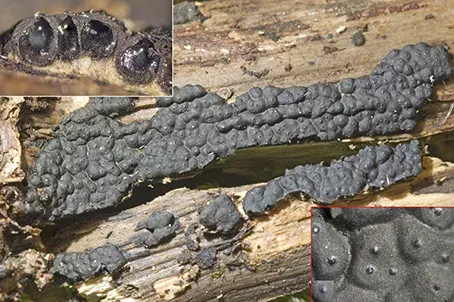
Description
Symptoms
The most visible symptom of an infection is the presence of black, coal-like patches or lines on the tree bark. These formations are often textured and can appear as long, undulating ribbons across the wood surface.
Upon closer examination, the wood beneath the affected areas often shows signs of discoloration and softening. In advanced stages, the bark may crack and peel, exposing the decaying, brittle wood underneath.
Infection zones often trap moisture, which further facilitates the growth of the fungal mycelium. This leads to a vicious cycle where the decay spreads more rapidly due to the damp environment within the cracks.
The tree may exhibit general signs of decline, such as thinning foliage and branch dieback. This occurs because the fungal damage disrupts the vascular system, effectively blocking the transport of water and nutrients.
In cases of severe infection, the structural integrity of the trunk is compromised, leading to a high risk of branch failure or even the uprooting of the entire tree during strong winds.
Pathogen
The causal agent is the fungus Nemania serpens, a member of the Xylariaceae family. Primarily known as a saprotrophic organism that decomposes dead organic matter, it can act as a pathogen on weakened or injured trees.
The fungus produces distinctive black, crust-like stromata that adhere tightly to the surface of the wood or bark. These structures often merge into elongated, meandering patterns that are characteristic of the species.
Within these stromata, the fungus develops perithecia, which are microscopic structures responsible for the production and release of sexual spores. These spores are wind-dispersed, allowing the fungus to colonize new hosts effectively.
Nemania serpens specializes in the enzymatic degradation of lignin and cellulose within the wood cell walls. This physiological process weakens the structural integrity of the timber, making it brittle and prone to fragmentation.
While commonly found in diverse forest ecosystems, the fungus may cause significant issues in cultivated orchards if trees are left stressed or damaged, providing a suitable substrate for its colonization.
Conditions for development
High humidity and moisture are the primary drivers of Nemania serpens development. Periods of prolonged rainfall create optimal conditions for the fungus to thrive and colonize new surfaces.
Mechanical injuries, such as pruning wounds, storm damage, or pest-induced openings, act as entry points for the fungal spores. Once inside the host, the fungus colonizes the weakened tissues.
Poorly managed, overcrowded orchards or forests with limited airflow create stagnant, humid pockets. These environments are perfect for spore germination and the expansion of the fungal colony.
Trees already under stress due to drought, nutritional deficiencies, or root diseases are significantly more susceptible to infection. A healthy tree can often compartmentalize and restrict the fungus, but a stressed tree cannot.
Temperature also plays a role, with moderate spring and autumn temperatures providing the best balance for the mycelial growth and spore production of this fungal pathogen.
Why it matters
The greatest threat posed by Nemania serpens is the loss of wood strength, which makes the tree hazardous. It creates safety risks in areas where trees are located near pathways, buildings, or active work zones.
By disrupting the flow of essential sap and nutrients, the fungus severely reduces the yield and quality of fruit-bearing trees. Eventually, this leads to the total loss of the tree's productive capacity.
The decay caused by the fungus creates an ideal environment for secondary wood-boring insects. These pests further hasten the destruction of the tree, often making the damage irreversible.
Economic impacts in agriculture involve the costs of tree removal, loss of potential fruit harvests, and the need for continuous site monitoring to prevent the spread of the pathogen to healthy specimens.
In forest environments, widespread infection can alter the biodiversity and health of the stand, as dominant tree species become vulnerable to decay and premature death.
Protection
The cornerstone of management is strict sanitation. All dead, dying, or visibly infected branches must be removed promptly and destroyed by burning or disposal to limit the spore load in the area.
Proper wound care is essential. Any significant cuts from pruning should be treated with fungicides or wound-sealing pastes to prevent the exposed wood from becoming an infection site.
Promoting general tree vigor through balanced fertilization and appropriate irrigation helps the plant develop natural resistance to fungal invasion. Healthy trees are far better at defending themselves.
Optimizing plant spacing and performing regular crown thinning improves air circulation, which helps keep the trunk and branches dry, effectively inhibiting the success of spore germination.
In high-risk areas or valuable orchards, scheduled prophylactic fungicide treatments can protect vulnerable trees from colonization during the periods when spores are most active.
Discussion
No discussions yet — be the first.