
Nematophthora
Nematophthora
Description
Pathogen
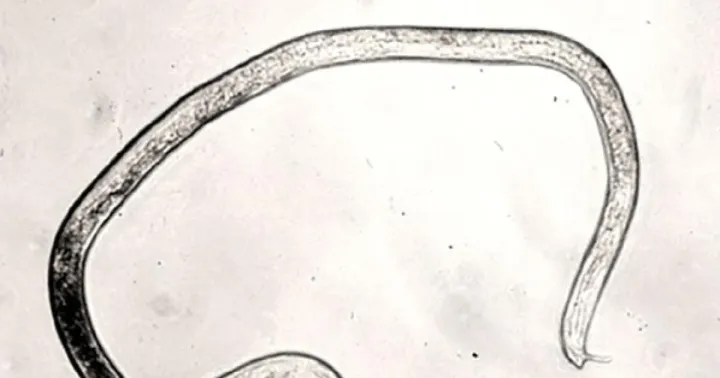
Nematophthora (Nematophthora gynophila) is an obligate fungal pathogen of the oomycete group that exclusively infects cyst-forming nematodes. It is a highly specialized parasite that serves as a vital natural regulator of nematode populations.
The life cycle of this fungus involves the production of zoospores that actively seek out female nematodes in the soil. Once a host is located, the fungus penetrates the cuticle and colonizes the body, effectively preventing the development of eggs.
By destroying the reproductive capacity of the female nematode, Nematophthora significantly reduces the pest pressure on agricultural fields. It acts as a natural biological control agent within the soil ecosystem.
The fungus transitions between active infection phases and resting structures, allowing it to survive periods when host density is temporarily low or environmental conditions are unfavorable.
Research into this pathogen is critical for developing integrated pest management strategies that rely less on chemical fumigants and more on biological balance.
Conditions for development
Soil moisture is the most critical environmental factor for the activity of Nematophthora. Zoospores require water films in the soil pores to move and reach the host organisms.
Temperature plays a significant role, with moderate ranges favoring the optimal growth and infectivity of the fungus. Extreme soil temperatures can hinder the development of the fungal population.
The presence of cyst-forming nematodes is necessary for the propagation of the fungus. Without a sufficient host density, the fungal population will naturally decline over time.
Soil structure influences the efficacy of the fungus; well-aerated, moist soils facilitate the spread of the pathogen, while heavily compacted soils may limit the movement of zoospores.
Adequate soil organic matter levels can help maintain the overall biological vitality of the soil, supporting the survival of the fungus between cropping cycles.
Why it matters
Nematophthora does not cause any harm to agricultural plants. It is considered a beneficial organism in the context of crop production because it suppresses root-damaging nematodes.
The primary effect of this fungus is the reduction of potential yield losses caused by plant-parasitic nematodes. It essentially protects the root system from damage by limiting the pest's reproduction.
The use of broad-spectrum fungicides can negatively impact the populations of this beneficial fungus, leading to potential outbreaks of nematode-related plant diseases.
From an agronomic perspective, the presence of this fungus is an indicator of a healthy, suppressive soil environment capable of keeping nematode pests at bay.
There are no recorded instances of this fungus attacking crops, as its biological specialization is strictly limited to soil-dwelling helminths.
Protection
Protecting Nematophthora populations in the field involves reducing the application of chemicals that may be toxic to beneficial fungi. Promoting a healthy soil microbiome is essential.
Incorporating organic soil amendments can help create a hospitable environment for the fungus, ensuring its long-term presence and efficacy in managing nematode threats.
Effective crop rotation strategies should be employed to balance the nematode-host population with the presence of the pathogen, maintaining the biological equilibrium.
Monitoring the biological health of the soil can help agronomists decide on the necessity of intervention, potentially avoiding unnecessary chemical treatments that disrupt the soil ecology.
- Reducing reliance on broad-spectrum fungicides.
- Enhancing soil health with organic matter.
- Practicing sustainable crop rotation.
- Regular soil biological monitoring.
Discussion
No discussions yet — be the first.