
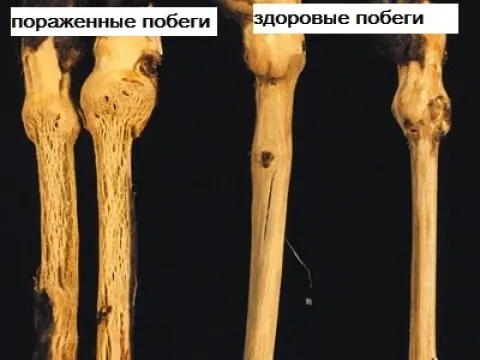
Grapevine rupestris stem pitting
Grapevine rupestris
Grapevine rupestris stem pitting is a serious viral disorder caused by the Grapevine rupestris stem pitting-associated virus (GRSPaV), a member of the genus Foveavirus.
What the section contains
Grapevine rupestris stem pitting
The virus is systemic, meaning it infects the entire vine, including the scion and the rootstock, often remaining latent for many years.
This pathogen is widely distributed globally and is commonly found in most commercial grape cultivars used in modern viticulture.
It is primarily transmitted through vegetative propagation, meaning infected scion wood and rootstock cuttings are the main sources of disease spread.
The virus belongs to the Betaflexiviridae family and specifically targets the conductive tissues of the grapevine, disrupting essential nutrient transport.
The most distinctive symptom is the presence of longitudinal grooves or pits on the woody cylinder of the vine, often visible only after peeling off the bark.
A swollen union point at the graft site is a frequent indicator of the disease, reflecting the physiological incompatibility induced by the viral infection.
Infected vines often exhibit reduced vigor, stunted shoots, and shortened internodes, leading to an overall decline in plant structure.
Leaf symptoms may include yellowing, reddening, or premature senescence, especially during the late summer and autumn periods.
Grape clusters on infected vines are typically smaller and looser, with berries often showing uneven maturity and lower sugar accumulation.
The primary driver of dissemination is the distribution and planting of infected grape nursery stock that has not been properly tested for viruses.
The virus persists in plant tissues throughout the dormant season, which allows it to survive in nursery blocks and vineyard plantings indefinitely.
Environmental stress factors, such as extreme heat or drought, can exacerbate the visible symptoms, making the infection more apparent in stressed vines.
Mechanical transmission via contaminated pruning tools can occur if the sap from an infected plant is transferred to a healthy one without proper sterilization.
There is currently no known vector, such as an insect or nematode, that efficiently transmits this virus in the field, making human activity the main culprit.
The disease causes a gradual decline in vine productivity, significantly shortening the economic lifespan of a vineyard block.
Vines affected by the virus become more susceptible to cold damage and other environmental stressors, leading to premature plant death.
The reduction in fruit quality and yield makes the infection economically devastating for commercial winegrowers and table grape producers.
Once a vine is infected, there is no curative treatment available, necessitating the removal and destruction of affected plants.
The systemic nature of the virus makes management difficult, as it requires large-scale removal and replanting of entire vineyard sections.
The most effective strategy is to plant only certified, virus-tested nursery stock obtained from reputable and regulated sources.
Strict sanitation protocols must be followed, including the sterilization of pruning equipment between vines to prevent mechanical cross-contamination.
Vigilant monitoring and rogues of vines showing signs of graft union incompatibility or stunted growth are essential for disease containment.
Heat therapy (thermotherapy) is employed in specialized facilities to produce virus-free foundation blocks for propagation purposes.
Preventative measures must also include ensuring that mother vines used for cuttings are regularly screened for GRSPaV through laboratory testing methods.