
Graphiola leaf spot
Graphiola
Description
Symptoms
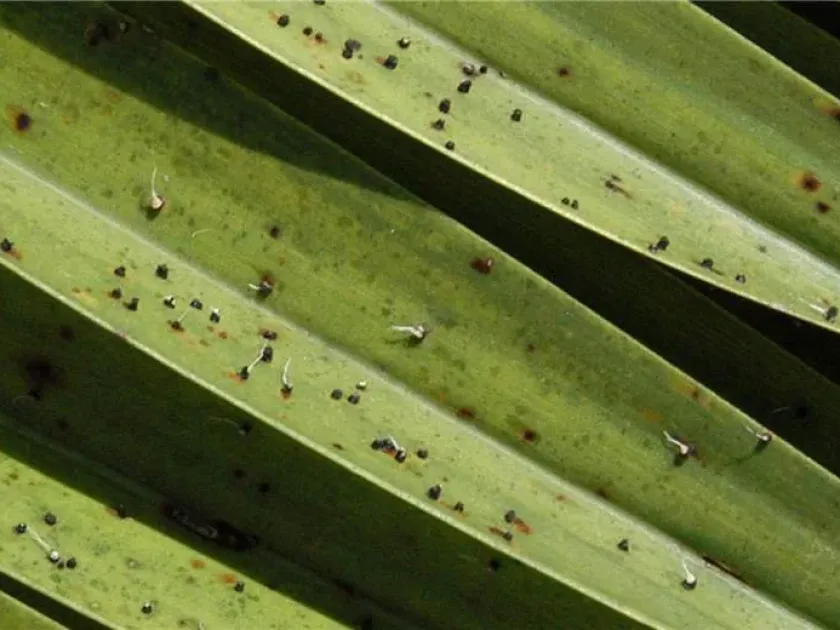
The primary symptom of Graphiola leaf spot is the appearance of numerous small, raised spots on both the upper and lower surfaces of the palm leaflets.
These spots are typically dark brown or black in color and appear as tiny, pustule-like structures that protrude through the leaf epidermis.
As the infection progresses, the spots are often surrounded by a characteristic yellow or chlorotic halo, indicating the plant's stress response to the fungus.
In cases of heavy infestation, the leaves may look as if they have been dusted with a dark, granular powder, which consists of the fungus's released spores.
The symptoms generally manifest on older, lower leaves first, slowly migrating upwards if environmental conditions remain favorable for the pathogen.
Pathogen
The causative agent of the disease is the fungus Graphiola phoenicis, which belongs to the smut fungi group and is a specialized obligate parasite of palms.
The fungus develops internally within the leaf tissue, forming complex fruiting bodies called sori that produce and disperse vast quantities of spores.
The pathogen thrives by extracting nutrients from the living cells of the host, leading to the formation of visible fruiting structures that break the leaf surface.
Spores are dispersed by air currents and splashing water, allowing the disease to spread rapidly within a confined area or a dense planting.
The biology of Graphiola includes high resilience to external conditions, as the sori are protected by a tough, multi-layered fungal sheath.
Conditions for development
High humidity and consistent moisture are the most critical factors driving the development and spread of Graphiola leaf spot in palms.
Poor air circulation, common in crowded nursery settings or dense ornamental plantings, provides the stagnant conditions required for spore germination.
Moderate temperatures combined with high humidity create the optimal environment for the fungus to complete its life cycle and infect new tissue.
Frequent rainfall or overhead irrigation that keeps the leaf surface wet for extended periods significantly increases the risk of successful infection.
Overcrowding of plants prevents the drying of foliage, creating microclimates where the disease can flourish even in otherwise dry regions.
Why it matters
The disease primarily causes severe aesthetic degradation, rendering ornamental palms unsuitable for commercial sale or high-end landscape use.
By infecting a large portion of the leaf surface, the fungus interferes with the palm's ability to photosynthesize, reducing its overall metabolic capacity.
Significant leaf infection leads to premature senescence and drop, which severely weakens the plant's structural integrity and aesthetic value over time.
Weakened palms become susceptible to secondary infections and opportunistic pests, which can further accelerate the decline of the plant specimen.
In horticultural production, Graphiola results in substantial financial losses due to plant quarantine, necessary disposal, and ongoing management costs.
Protection
The first line of defense is rigorous sanitation: pruning and destroying all heavily infected leaves to reduce the primary inoculum load in the area.
Improving cultural practices, such as spacing plants to increase airflow and avoiding overhead watering, is essential for long-term disease management.
Chemical control involving regular applications of copper-based fungicides or other systemic compounds can help protect healthy foliage from new infections.
- Sanitary removal of infected foliage.
- Increased spacing for better airflow.
- Avoidance of overhead irrigation.
- Prophylactic fungicide spray program.
Integrated management involves maintaining optimal plant health through balanced nutrition and ensuring that palms are planted in well-ventilated locations.
Discussion
No discussions yet — be the first.