
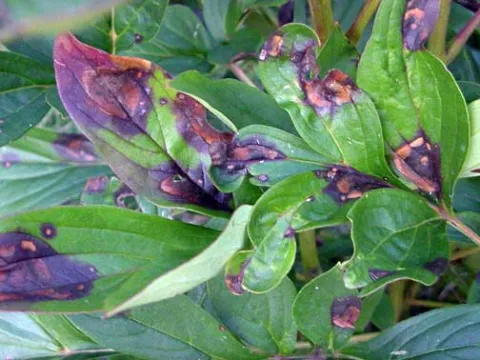
Graphiopsis
Graphiopsis
Graphiopsis is a genus of fungi belonging to the class Dothideomycetes. Graphiopsis chlorocephala is the most frequently identified species causing necrotrophic lesions on various herbaceous plants.
What the section contains
Graphiopsis
The disease is classified as a fungal infection. The pathogen typically overwinters as mycelium or conidia within crop debris, which serves as the primary reservoir for infection in the following growing season.
The infection cycle is highly dependent on environmental moisture; conidia require free water or high humidity on the leaf surface to germinate and initiate the infection process.
Dissemination is primarily achieved through wind, rain splashes, and insects, which transport spores over short and long distances within the agricultural environment.
The taxonomy and biology of this genus are subjects of ongoing research, as morphological features can adapt based on the host substrate and specific microclimatic conditions.
The initial signs of Graphiopsis infection appear as small, chlorotic spots on the foliage. As the infection progresses, these spots expand, turn necrotic, and often develop a darker margin.
Under high humidity, the central necrotic areas may show visible fungal sporulation, appearing as minute dark-colored cushions or pads on the surface of the lesions.
Advanced stages of the disease result in premature yellowing and drying of leaves. This loss of photosynthetic surface area significantly impacts the plant's overall energy balance.
Stem and petiole lesions can also occur. These localized necrotic areas may weaken the structural integrity of the plant, sometimes leading to lodging or breakage of the affected stalks.
General plant vigor is noticeably reduced, and in severe cases, the entire plant may exhibit signs of wilting and premature senescence before the maturation phase.
Warm, humid conditions are the primary drivers for the development and spread of Graphiopsis. Relative humidity exceeding 70-80% provides an ideal environment for rapid conidial germination.
The disease thrives during periods of frequent rainfall or heavy morning dew, which maintain leaf wetness for extended periods, facilitating the colonization of host tissues by the fungus.
Temperature plays a crucial role, with the pathogen being most active at moderate temperatures typically ranging between 18°C and 24°C.
Poor air circulation within dense plant canopies creates a microclimate that traps moisture and heat, allowing the fungus to proliferate more rapidly across the field.
Inadequate field sanitation and the presence of infected volunteer plants or weeds can lead to a rapid buildup of inoculum, especially if proper rotation cycles are ignored.
The harmful impact of Graphiopsis is primarily observed through a decrease in yield. The destruction of leaves reduces the plant's ability to produce carbohydrates, leading to smaller fruit or seed size.
Infected crops often exhibit reduced nutritional quality, which can adversely affect their market value and shelf life, particularly for leafy vegetables and high-value crops.
Severe infestations can lead to substantial losses in biomass and overall crop quality, which may significantly impact the economic viability of the farming operation.
The weakened state of infected plants makes them more susceptible to opportunistic pathogens and pests, which can further aggravate the overall plant health decline.
In addition to direct losses, the necessity for fungicide treatments increases production costs, potentially reducing the net profit margin for the grower.
Effective management starts with strict field hygiene. Removing or deep-plowing crop residues is essential to minimize the primary inoculum overwintering in the soil.
Implementing a diverse crop rotation strategy helps break the pathogen's life cycle, preventing it from establishing a persistent foothold in the field.
Choosing resistant or tolerant cultivars is the most sustainable approach to long-term disease management, effectively reducing the need for chemical interventions.
Fungicide applications, when warranted, should be timed to coincide with high-risk weather conditions to protect the foliage and prevent the secondary spread of spores.
- Maintaining optimal plant spacing to promote airflow and leaf drying.
- Balanced fertilization to strengthen plant cell walls against fungal penetration.
- Scouting fields regularly to detect early symptoms and treat hotspots.