
Fusarium wilt
Rectifusarium ventricosum
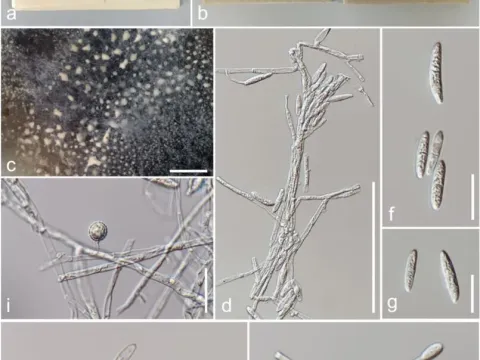
The causative agent of this disease is the fungus Rectifusarium ventricosum, formerly classified within the Fusarium genus. This pathogen is a soil-borne fungus capable of surviving for long periods through the formation of resistant chlamydospores.
What the section contains
Fusarium wilt
Infection primarily occurs via the root system, where the pathogen enters through natural openings or physical wounds. Once inside, it systematically colonizes the vascular tissues of the plant.
The fungus produces toxic metabolites that interfere with the plant's metabolic processes. These toxins are transported through the xylem, causing systemic internal damage to the host.
Dissemination often occurs through infected seeds, contaminated farm equipment, or the movement of infested soil across agricultural fields. It can also persist in crop residues.
The pathogen thrives as a saprotroph when host plants are absent, making it an incredibly resilient inhabitant of the agricultural ecosystem. Eradicating it from the field is extremely difficult.
The initial symptom is typically a loss of turgor, manifesting as drooping or wilting of the lower leaves. These leaves eventually turn yellow and necrotic, progressing upwards over time.
A cross-section of the stem or root collar reveals a characteristic browning or darkening of the vascular bundles. This symptom confirms the blockage of water and nutrient pathways.
Under conditions of high relative humidity, a fungal mycelium may develop on the surface of the stem base. This growth usually appears as white or pinkish fluffy deposits.
Affected plants exhibit severely stunted growth and reduced internode length. If the infection reaches an advanced stage, the roots begin to decay and take on a dark brown color.
Sudden, irreversible wilting is a classic hallmark of the disease. While plants may seem to recover slightly overnight, the vascular damage is permanent and leads to plant death.
The development of Fusarium wilt is highly dependent on temperature, with optimal conditions ranging between 20°C and 28°C. Warmer soil temperatures significantly accelerate disease progression.
High soil moisture combined with poor drainage creates a favorable environment for spore germination. Waterlogging further stresses the plants, making them more susceptible to attack.
Soil pH plays a critical role in the pathogen's activity, with most strains preferring neutral to slightly acidic soils. Environmental stress, such as drought or heat waves, can trigger rapid outbreaks.
Nutritional imbalances, particularly high nitrogen levels with a lack of potassium or phosphorus, make plants more vulnerable to successful colonization by the fungus.
Continuous cropping of susceptible species leads to the accumulation of inoculum in the soil. Without proper crop rotation, the disease pressure increases exponentially each season.
The economic impact of Fusarium wilt is severe, as it causes significant yield losses in many major crops. In epidemic years, losses can exceed 50-80% of total harvest.
The disease degrades the quality of the agricultural product, making it unfit for long-term storage or processing. Seed quality is also severely compromised by the systemic infection.
Weakened plants are prone to secondary infections, further reducing the overall health of the crop. This leads to uneven stands and decreased profitability for farmers.
Contaminated fields remain hazardous for years, limiting the options for future crop selection. This creates long-term financial burdens and forces expensive changes in farming practices.
Furthermore, products from infected plants may carry mycotoxins that are harmful to human and animal health, posing a significant risk to food safety and marketability.
The most reliable control method is the use of resistant cultivars and hybrids. Breeding for resistance is the foundation of long-term disease management strategies.
Strict crop rotation practices are essential to prevent the buildup of soil-borne pathogens. A gap of 4 to 5 years between susceptible crops is generally recommended.
- Seed treatment with fungicides to prevent early-stage infection.
- Prompt removal and destruction of infected plant debris from the field.
- Balanced fertilization, avoiding excessive nitrogen that promotes succulent growth.
- Soil amendment and liming to optimize pH levels for plant health.
Biocontrol agents, such as Trichoderma species, are increasingly used to suppress the pathogen in the rhizosphere, offering an eco-friendly alternative.
In cases of high disease pressure, systemic fungicides can be applied to reduce the incidence of infection. Application must follow strict agricultural regulations and safety protocols.