
Readeriella
Readeriella
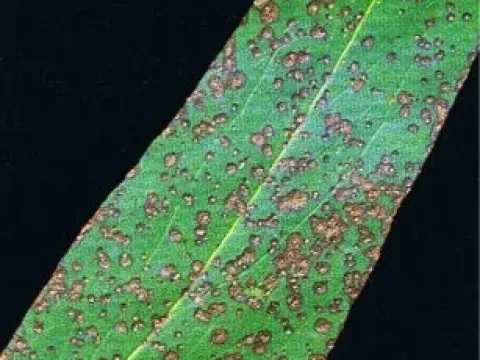
Readeriella is a genus of fungi belonging to the class Dothideomycetes. These microorganisms are recognized as pathogens responsible for leaf spot and necrosis on a variety of host plants.
What the section contains
Readeriella
The fungus functions as an anamorph, forming pycnidia—small, flask-shaped fruiting bodies that house the conidia. These spores are released to propagate the infection to healthy leaf tissues.
Readeriella pathogens are capable of overwintering in fallen leaves and other plant debris. This survival strategy makes sanitation a cornerstone of any integrated disease management plan.
The fungus penetrates the leaf surface, invading the mesophyll cells. By secreting enzymes and toxins, it degrades cellular components, leading to the characteristic localized necrosis.
Identification of the specific Readeriella species usually requires microscopic analysis of the conidial morphology and the structure of the pycnidia found on the infected leaf material.
The primary symptom of Readeriella infection is the appearance of leaf spots. These spots typically start as small chlorotic areas that gradually enlarge and turn brown or grayish-black.
A distinctive feature of these lesions is the development of small, dark, pimple-like structures on the spot's surface, which represent the fungal fruiting bodies or pycnidia.
In cases of severe infestation, the spots may coalesce, covering a large percentage of the leaf area. This results in significant wilting, yellowing, and eventual abscission of the foliage.
The disease often causes premature defoliation, which severely hampers the plant's ability to undergo photosynthesis and store energy reserves for the following growing season.
Affected plants often show stunted growth and a general decline in vigor, making them appear unsightly and significantly reducing their market value in ornamental settings.
High relative humidity and the presence of leaf surface moisture are the most critical factors driving the germination and colonization processes of the Readeriella fungus.
The disease tends to flourish in temperate climates where overcast conditions and frequent rainfall prevent rapid evaporation, creating a sustained wet environment for the pathogen.
Spore dispersal is primarily mediated by rain splash, which carries conidia from infected leaves to healthy ones, and by wind currents that move spores over wider areas.
Cultural practices that promote stagnant air and high humidity around the plant canopy, such as improper spacing, create an ideal microclimate for the rapid spread of the disease.
Spring and autumn periods with cool, damp weather are particularly conducive to the establishment of the infection, especially on succulent young growth which is most susceptible.
The primary economic impact of Readeriella is the damage to foliage, which reduces the aesthetic appeal of ornamental trees and shrubs in nursery and landscape environments.
Chronic infections lead to weakened root systems and poor vigor, making the plants more susceptible to secondary stressors such as pests, drought, and extreme temperature fluctuations.
For forestry and plantation settings, widespread defoliation can reduce the growth rates of trees, causing long-term timber or biomass production losses.
The costs associated with repeated fungicide applications and the disposal of infected plant material can place a heavy financial burden on growers and managers.
If left untreated, Readeriella can become endemic in a garden or nursery, posing a constant threat to newly introduced or healthy plants in the vicinity.
Effective management begins with sanitation: promptly removing and destroying infected fallen leaves reduces the primary inoculum source for the following season.
Improving air circulation through proper pruning and planting spacing is essential to keep foliage dry and create an unfavorable environment for fungal development.
Applying preventative fungicide sprays, particularly copper-based products, can protect plants during periods of weather favorable to the disease.
- Monitor plants weekly for early leaf spot symptoms.
- Avoid overhead irrigation that wets the foliage.
- Rotate fungicides to prevent the development of resistant strains.
Integrated control involves a combination of cultural practices, such as choosing resistant varieties, and timely chemical interventions when infection pressure is high.