
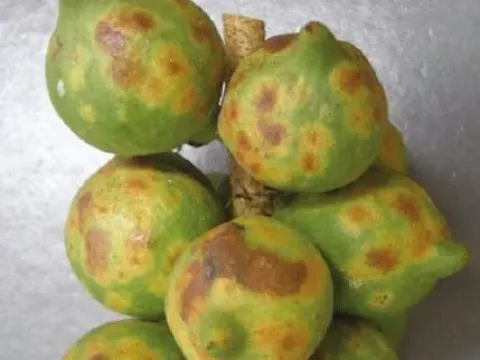
Macadamia Pseudocercospora leaf spot
Pseudocercospora macadamiae
The disease is caused by the fungus Pseudocercospora macadamiae, an ascomycete pathogen specifically associated with the foliage of macadamia trees.
What the section contains
Macadamia Pseudocercospora leaf spot
The fungus produces conidia, which serve as the primary inoculum for spreading the infection from leaf to leaf throughout the tree canopy.
The pathogen is known to persist in crop debris, including fallen leaves, which act as a reservoir for the fungus to survive between growing seasons.
Biological studies of Pseudocercospora macadamiae highlight its adaptability to humid environments where it thrives by invading plant tissue through stomatal openings.
As an agricultural pathogen, it is recognized for its ability to reduce the overall vigor of macadamia trees by targeting their primary photosynthetic organs.
Initial symptoms include the appearance of small, irregular spots on the leaves, which gradually increase in size and change color to dark brown or black.
On the underside of the leaves, the pathogen often produces a visible layer of sporulation, appearing as a grayish-brown, velvety patch within the necrotic areas.
As the disease progresses, these spots may coalesce, leading to severe leaf damage, chlorosis, and eventually premature defoliation of the tree.
The infection typically manifests first in the lower, more shaded, and humid parts of the tree canopy before spreading to the upper branches.
Distinguishing this disease from other leaf-spotting fungi often requires careful inspection of the conidia under a microscope to confirm the specific pathogen.
The development of Macadamia Pseudocercospora is heavily dependent on moisture levels, as the fungus requires free water or high humidity for spore germination.
Frequent rainfall, heavy dew, and persistent foggy conditions create an ideal environment for the rapid dispersal of spores and colonization of healthy tissue.
Dense orchard plantings that inhibit airflow often experience higher incidence rates because the canopy stays wet for longer periods, promoting fungal growth.
Temperatures ranging from 20°C to 28°C provide the metabolic optimum for the pathogen to colonize the leaf blades and produce further generations of spores.
Trees subjected to poor nutritional management or water stress are significantly more susceptible to infection, as their natural defenses are weakened.
The primary impact of the disease is the substantial reduction of leaf area, which limits the tree's photosynthetic capacity and energy production.
Reduced energy availability negatively affects nut development, leading to smaller kernels, lower oil content, and a decline in overall crop quality.
Chronic infection results in the gradual loss of tree vigor, which makes the macadamia trees more prone to secondary pests and various physiological disorders.
If left unmanaged, the cumulative damage can result in yield losses ranging from 15% to 30%, posing a direct threat to the economic viability of the farm.
In extreme cases, persistent defoliation may cause branch dieback, necessitating extensive pruning or even the removal of severely affected trees.
Effective management begins with strict orchard hygiene, specifically the removal and destruction of fallen leaves to eliminate the primary source of inoculum.
Fungicide applications, particularly those containing copper or specialized systemic agents, should be timed strategically based on weather forecasts and infection risk.
- Pruning the canopy to improve ventilation and reduce humidity.
- Applying balanced fertilization to enhance the tree's natural resilience.
- Regular scouting of the orchard for early signs of leaf spot.
- Selecting resistant macadamia clones for future orchard development.
Biological control agents, such as specific antagonistic fungi or bacteria, are being explored as sustainable alternatives for managing the pathogen in eco-conscious farming.
Maintaining strict quarantine protocols for new plant stock helps prevent the introduction of aggressive strains into previously unaffected orchards.