
Macrolepiota phaeodisca
Macrolepiota phaeodisca
Description
Symptoms
The primary identification sign is the emergence of visible fruit bodies near the root zone or on decaying organic matter within the field.
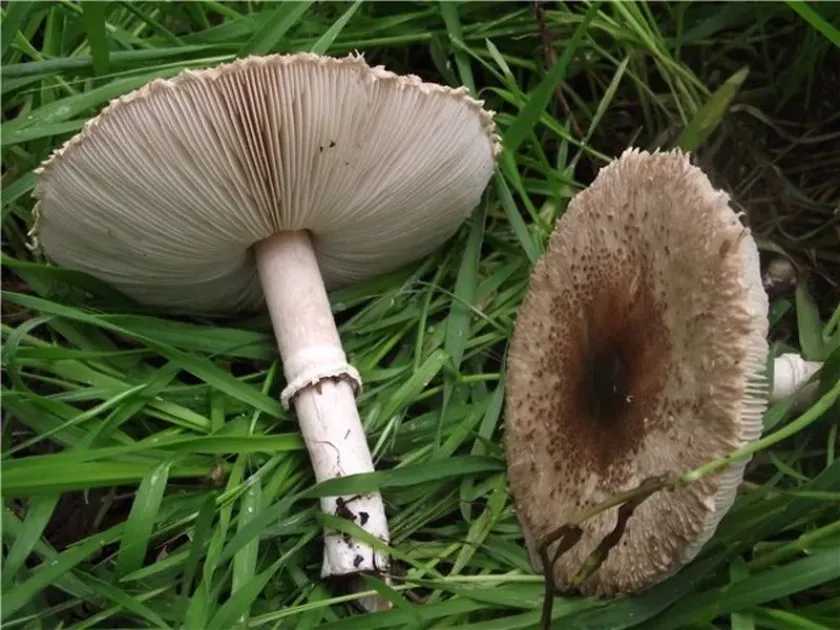
The cap typically measures 5–10 cm in diameter and is characterized by a prominent dark-brown disc at the center, contrasting with lighter margins.
The surface is covered in delicate, removable scales, which are a defining morphological feature of this specific fungal species.
Early colonization is often subtle, with mycelium spreading through the topsoil layer or decomposing surface debris before fruiting bodies appear.
Massive outbreaks can result in the formation of fairy rings, which physically alter the soil structure and affect the immediate root environment.
Pathogen
The pathogen is the fungus Macrolepiota phaeodisca, which belongs to the Basidiomycota division.
It acts primarily as a saprotroph, though in specific conditions, it can become a facultative parasite, stressing the host plant's root system.
Its biological cycle consists of a complex mycelial network that efficiently colonizes substrates to absorb essential organic nutrients.
Reproduction occurs via spores, which are easily disseminated by wind or splashing water, allowing the fungus to colonize new areas quickly.
The fungus is highly resilient, capable of surviving in the soil for extended periods via specialized survival structures when conditions are suboptimal.
Conditions for development
Growth is most vigorous under conditions of moderate warmth and high environmental humidity, particularly following heavy precipitation.
Temperature ranges from +18 to +25 degrees Celsius are optimal for the rapid expansion of the mycelial colony.
Abundant organic surface debris, such as straw or mulch, provides a high-quality substrate for the fungus to establish its population.
Neutral to slightly acidic soil conditions, paired with high organic matter content, significantly favor the fungus's lifecycle and spread.
Soil compaction and poor aeration often exacerbate the colonization process by providing a stable, protected environment for the mycelium.
Why it matters
The primary concern is the competition for vital soil nutrients, which leads to reduced nutrient availability for cultivated agricultural crops.
Fungal metabolites may inhibit root hair development, resulting in stunted growth and diminished vitality of the affected plants.
Extensive fungal colonies alter the physical properties of the soil, potentially causing reduced permeability and water-holding capacity in the rhizosphere.
In certain scenarios, the presence of the fungus weakens the host plant, making it more susceptible to opportunistic bacterial and fungal infections.
Management becomes increasingly difficult as the presence of the fungus complicates field operations and resource allocation for crop production.
Protection
Deep tillage remains one of the most effective mechanical methods to disrupt the mycelial network and suppress fungal colonization.
Systematic removal of crop residues is crucial to limit the available substrates for the fungus and reduce the risk of future outbreaks.
Implementing a robust crop rotation strategy helps break the pathogen's life cycle and prevents the build-up of fungal inoculum in the soil.
Where infestation is severe, the targeted application of approved soil fungicides can help stabilize the environment and protect crop yields.
- Frequent monitoring of field zones.
- Improving soil drainage and aeration.
- Balanced fertilization to maintain plant vigor.
Discussion
No discussions yet — be the first.