
Macrophoma
Macrophoma
The disease is caused by imperfect fungi of the genus Macrophoma, which belong to the class of deuteromycetes. These pathogens are known to infect a wide range of horticultural and agricultural crops.
What the section contains
Macrophoma
The fungus reproduces by forming pycnidia — specialized fruiting bodies that contain conidia. These spores are dispersed by water droplets, wind, or insects, facilitating the spread of the disease.
The pathogen overwintering stage typically occurs in plant debris, dead branches, or bark. This ability allows the fungus to remain in the field and infect new growth the following season.
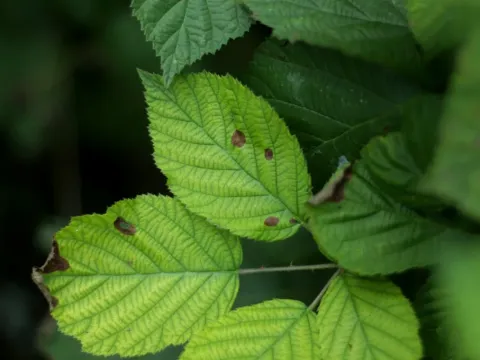
The disease manifests as necrosis or leaf spotting, depending on the host plant's species and the specific tissue infected by the fungal mycelium.
Biological activity of the pathogen includes the production of enzymes that degrade plant tissues, allowing the fungus to establish itself and eventually disrupt the host's normal physiology.
The most common sign of Macrophoma infection is the appearance of brown or greyish spots on leaves and stems. These spots often develop a darker, well-defined margin as the infection progresses.
Small black dots, known as pycnidia, appear within the necrotic areas of the leaves or bark. These structures are a key diagnostic feature for identifying the presence of this fungus.
Branch dieback is a frequent symptom in woody plants, accompanied by cracking or peeling of the bark. In some cases, the tissue underneath the bark may become discolored.
Fruit infection can occur, leading to the development of sunken lesions or rotting. This damage makes the fruit unmarketable and reduces its shelf life significantly.
Weakened stems may become brittle or snap easily, especially in herbaceous crops, which can lead to the total collapse of the affected plant section.
High relative humidity and moderate temperatures are the primary environmental drivers for the development and spread of Macrophoma infections.
Prolonged wet periods, especially after rainfall or heavy irrigation, create optimal conditions for the germination of conidia and the colonization of plant surfaces.
Dense planting patterns that restrict air circulation increase the humidity within the plant canopy, significantly raising the risk of severe disease outbreaks.
Mechanical injuries, whether from pruning, hail, or pest activity, provide convenient access points for the fungal spores to enter the host plant tissue.
Poor drainage and low light levels can weaken plant vigor, making them more susceptible to primary infections compared to healthy, well-maintained crops.
The major impact of Macrophoma is the reduction in photosynthetic efficiency due to the destruction of leaf tissue, which inhibits overall plant growth and development.
Severe infections can lead to premature leaf drop and the death of branches, which depletes the plant's energy reserves and lowers its resilience to environmental stress.
In economic terms, the damage to fruit quality and yield represents a significant financial loss, as the infected produce often becomes unmarketable.
In perennial crops, repeated annual infections can lead to a steady decline in the health of the plant, eventually necessitating the removal and replacement of the crop.
The cost of implementing integrated pest management programs, including fungicides and labor for pruning, adds significantly to the overall expenses of crop production.
Sanitation is the cornerstone of control: infected plant parts should be removed and destroyed immediately to eliminate the source of inoculum.
Fungicidal treatments are recommended when environmental conditions favor disease development, ensuring complete coverage of the canopy for better efficacy.
Improving air circulation through proper spacing and pruning techniques helps to lower the humidity levels required by the fungus to thrive.
Maintaining optimal soil fertility and plant health increases the natural resistance of the crops against fungal attacks and minimizes damage.
- Removal of infected branches
- Application of copper-based fungicides
- Proper sanitation of pruning tools
- Ensuring adequate plant spacing
- Removal of infected leaf litter