
Macrodiplodiopsis
Macrodiplodiopsis
Description
Symptoms
Initial symptoms of the disease appear as localized spots or discolorations on the bark, leaves, or stems. These lesions often transition from light shades to dark brown or grey as the tissue dies and necrosis sets in.
The most diagnostic feature is the emergence of tiny, black, pimple-like structures on the surface of the infected areas. These are the pycnidia, which rupture the epidermis of the plant, often appearing in clusters or scattered across the necrotic patches.
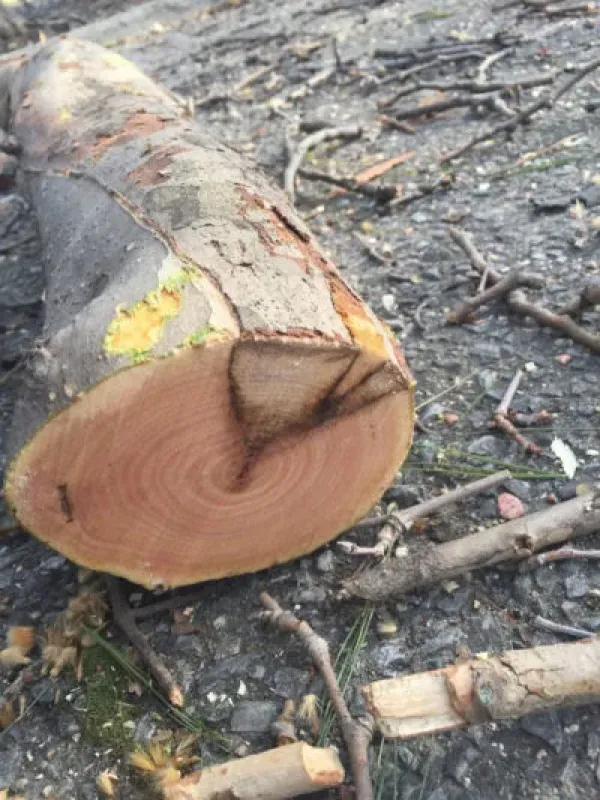
In woody plants, the infection frequently causes bark cracking and peeling. As the fungus girdles the stem or branch, the distal parts of the plant may wilt, wither, and eventually die, leading to progressive dieback of the crown or specific shoots.
Leaf symptoms include irregular blotches that can lead to chlorosis and premature abscission. The loss of foliage reduces the plant's photosynthetic capacity, causing overall decline and weakening the plant's ability to resist secondary stressors.
In humid conditions, a visible spore mass or exudate may be observed on the surface of the infected lesions. This mass, often found around the pycnidia, confirms active sporulation and indicates a period of high risk for further spread within the plant community.
Pathogen
Macrodiplodiopsis is a fungal disease caused by pathogens belonging to the genus Macrodiplodiopsis. These fungi are typically classified as pycnidial fungi, which primarily act as necrotrophs, invading the tissues of woody and herbaceous plants.
The fungal mycelium spreads within the plant tissue, secreting enzymes that degrade cell walls and middle lamellae. This process leads to the collapse of host cells, facilitating the formation of necrotic lesions where the fungus eventually develops its fruiting bodies, known as pycnidia.
The life cycle of the pathogen is centered on the production of conidia within these pycnidia. Under favorable conditions, particularly high humidity, the conidia are released and spread via wind, rain splashes, or mechanical transfer to infect adjacent healthy tissues.
The fungus is known for its ability to persist in plant debris, such as fallen leaves, dead twigs, or bark flakes. This saprophytic capability allows Macrodiplodiopsis to survive adverse environmental conditions and serve as a primary inoculum source for subsequent seasons.
Understanding the biology of this pathogen is crucial for effective management. Its aggressive nature is linked to the physiological state of the host; once established, it can rapidly colonize weakened tissues, making early detection and intervention essential.
Conditions for development
The development of Macrodiplodiopsis is heavily dependent on moisture. Periods of high relative humidity, frequent rain, or heavy fog provide the necessary environment for conidial germination and host colonization.
Optimal temperatures for the fungus are typically in the mild to warm range. While it can survive cold winters, its rapid spread is usually observed during the active growing season when temperatures support metabolic activity of the pathogen.
Plant density plays a significant role in disease propagation. Dense plantings with poor air circulation create stagnant, humid zones within the canopy, which slow down leaf drying and increase the window of vulnerability for infection.
Physical injuries, such as those caused by hail, insects, or improper pruning, serve as primary infection courts. Macrodiplodiopsis can easily gain entry through these damaged surfaces, making plants with such wounds significantly more susceptible.
Nutritional stress or drought can weaken the plant's natural defense mechanisms, such as its cuticle barrier and chemical immunity. A compromised host provides fewer obstacles for the invading hyphae, resulting in more severe and rapid disease progression.
Why it matters
The primary harm caused by Macrodiplodiopsis is the loss of plant vigor and growth potential. Repeated infections can lead to the gradual decline of specimen trees, reducing their aesthetic value and ecological function.
For agricultural crops, the disease directly impacts economic yields. By causing branch dieback and defoliation, the pathogen reduces the plant's capacity to produce high-quality fruit or foliage, leading to harvest losses.
Long-term infestation can kill entire branches or even the entire plant, necessitating expensive removal and replacement operations. This is particularly problematic in commercial orchards and high-value nursery environments.
Secondary infections are a frequent consequence of Macrodiplodiopsis damage. Once the plant's physical integrity is breached, it becomes an easier target for opportunistic pests and other pathogens, complicating the recovery process.
Economic damage is further compounded by the costs of disease management, including the procurement of fungicides, specialized labor for sanitation, and the potential need for quarantine measures to prevent the spread to healthy areas.
Protection
Integrated disease management begins with sanitation. Pruning out infected wood and removing leaf litter during the dormant season significantly reduces the amount of primary inoculum available to start the next year's infection cycle.
Protective fungicide applications can be highly effective when timed with wet periods or stages of plant growth susceptible to infection. Using copper-based or systemic fungicides provides a chemical barrier against fungal entry.
Improving the growing environment is essential. Thinning the canopy to improve air circulation and sunlight penetration helps keep foliage dry, directly inhibiting the germination and survival of Macrodiplodiopsis spores.
Good horticultural practice includes disinfecting tools between cuts. Since the pathogen is easily transported on equipment, this simple step prevents the human-aided spread of the disease between plants or different sections of the field.
- Regular inspections for signs of pycnidia or necrotic spotting.
- Destruction of pruned material by burning or deep burial.
- Application of fungicides at the first sign of active lesions.
- Ensuring proper spacing to facilitate adequate ventilation.
- Supporting plant vitality with optimal irrigation and balanced nutrition.
Discussion
No discussions yet — be the first.