
Phytopythium root rot
Phytopythium vexans
The causative agent of the disease is the oomycete Phytopythium vexans, previously classified within the Pythium genus. It is a notorious soil-borne pathogen that primarily affects the root systems of various plant species.
What the section contains
Phytopythium root rot
This organism is highly specialized for life in moist environments, producing motile zoospores that can swim through thin films of water in the soil to locate and infect healthy roots.
Phytopythium vexans is a polyphagous pathogen, meaning it has a wide host range, including woody perennials, ornamental plants, and various greenhouse vegetables.
The pathogen survives in the soil for extended periods by producing resistant structures like oospores and chlamydospores, which can withstand harsh environmental conditions.
Upon germination, the pathogen's hyphae secrete lytic enzymes that break down the plant's cell walls, allowing the fungus-like organism to colonize the root cortex rapidly.
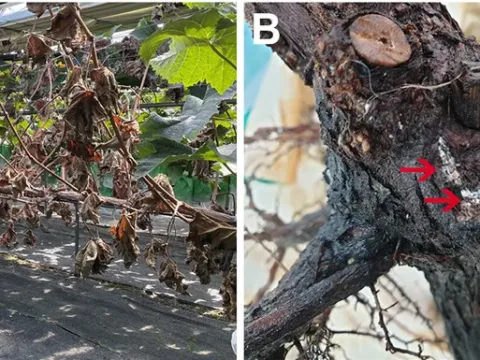
Initial symptoms are often nonspecific, manifesting as stunted growth, leaf chlorosis, and wilting during periods of high transpiration, which may be misdiagnosed as water stress.
Root examination reveals distinct discoloration, typically shifting from a healthy white to brown or dark gray. Infected roots lose their structural integrity and become soft or mushy.
A classic diagnostic sign is the detachment of the root cortex (outer layer) from the central vascular cylinder, which occurs when the tissue becomes severely compromised by the infection.
The decay often progresses from the root tips upward toward the crown, eventually resulting in the browning and necrosis of the root collar, leading to total plant collapse.
- Wilting and drooping leaves.
- Stunted plant development.
- Soft, discolored roots.
- Root cortex sloughing.
- Rapid death of susceptible seedlings.
The primary factor favoring the development of Phytopythium vexans is high soil moisture levels combined with poor drainage, which creates an anaerobic environment.
The pathogen thrives in warm conditions, with an optimal temperature range typically between 20°C and 28°C, making it particularly destructive in controlled-environment agriculture.
Soil compaction reduces oxygen availability, which stresses the plant roots and makes them significantly more susceptible to infection by the pathogen's motile zoospores.
The use of contaminated water sources, such as ponds or surface water for irrigation, is a common pathway for the introduction and rapid spread of the pathogen in nursery settings.
Inadequate sanitation practices, such as reusing pots without sterilization or handling infected plants, play a major role in the transmission of the disease.
The disease causes significant damage by preventing the plant from absorbing necessary water and nutrients, which leads to a dramatic decline in overall productivity and vigor.
In ornamental and nursery production, this pathogen causes high mortality rates in young plants, leading to major economic losses and increased waste of inputs.
Infected fruit-bearing trees often exhibit reduced yield, small fruit size, and a general decline in the tree's health, eventually necessitating the removal of the plants.
The presence of Phytopythium vexans in a field or greenhouse complicates future cultivation plans, as the pathogen persists in the soil and can re-infect subsequent crops.
The pathogen's ability to weaken the root structure often facilitates secondary infections by other fungi or bacteria, making the entire plant complex prone to premature death.
Effective management begins with strict irrigation control to prevent overwatering and the implementation of improved drainage systems to maintain root zone aeration.
Using sterilized growing media and ensuring that all containers and tools are disinfected helps to prevent the introduction of the pathogen into clean production areas.
Systemic fungicides, specifically those targeting oomycetes (such as metalaxyl or mefenoxam-based products), are essential for controlling active outbreaks in nurseries.
Cultural practices, including the use of raised beds and the incorporation of organic matter to improve soil structure, can reduce the risk of root-zone moisture stagnation.
Regular monitoring of root health and the immediate removal and destruction of infected plants are critical steps to prevent the spread of the disease within a population.