
Pichia fermentans
Pichia fermentans
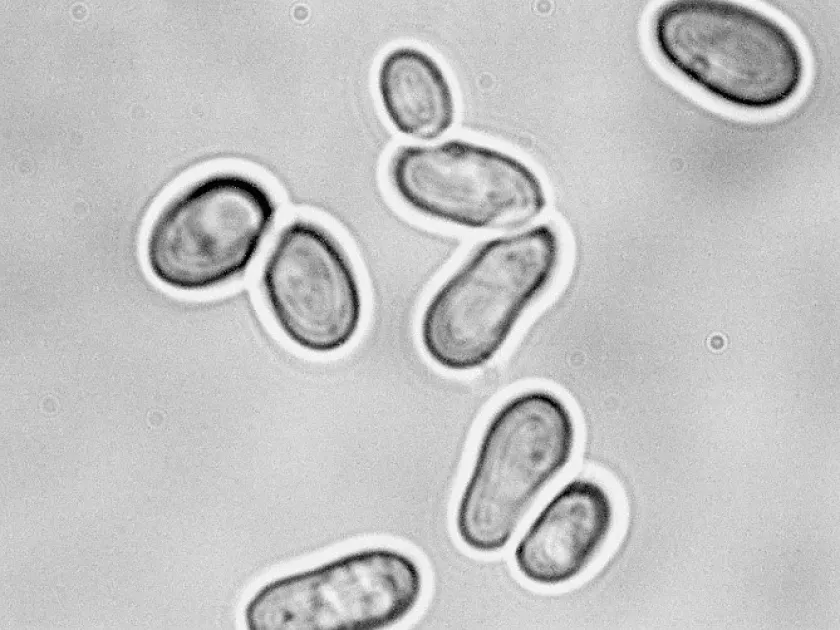
Description
Symptoms
The primary symptom of infection is the appearance of moist, slightly depressed spots on the fruit skin, which rapidly increase in size.
In the affected areas, the fruit tissue softens, loses turgor, and acquires a watery consistency, often accompanied by the release of exudate.
One of the key diagnostic signs is the development of a specific fermentation odor, which intensifies as the storage temperature increases.
A visible white or yellowish coating often forms on the surface of damaged areas, consisting of a mass of yeast cell colonies.
As the disease progresses, the fruit undergoes deep rot, often accompanied by secondary colonization by mold fungi, which completely changes the microbiological profile of the decay.
Pathogen
Pichia fermentans is a species of ascomycetous yeast that is widespread in natural environments. This microorganism is a significant causative agent of spoilage in plant-based products during ripening and postharvest storage.
Biologically, this pathogen belongs to saccharolytic yeasts capable of actively metabolizing simple sugars found in plant tissues. It is not an obligate pathogen, but under certain conditions, it exhibits significant virulence.
These yeasts are capable of producing specific enzymes that degrade plant cell walls. During their metabolic activity, the pathogen releases volatile organic compounds that give the affected product a characteristic alcoholic or acidic odor.
Morphologically, colonies appear as moist, creamy, or whitish slimy formations on the substrate surface. Intensive reproduction occurs in both aerobic and microaerophilic conditions, allowing the fungus to develop within densely packed product batches.
In agronomic practice, Pichia fermentans is considered an opportunistic pathogen that colonizes micro-cracks, wounds, and areas of fruit damage caused by insects or agricultural machinery.
Conditions for development
The primary condition for infection development is high humidity in storage facilities and greenhouses, exceeding 85–90 percent.
The optimal temperature for yeast activity ranges from +20 to +30 degrees Celsius, although the pathogen can remain active at lower temperatures found in cold storage units.
The presence of free sugars on the fruit surface, resulting from skin damage or over-ripening, is a favorable factor for the onset of colonization.
Poor ventilation in warehouses contributes to the accumulation of metabolites and creates a microclimate with reduced oxygen, which stimulates the growth of this species.
The use of contaminated containers, tools, and failure to observe sanitary standards during harvest sorting significantly increase the risk of infection spreading throughout the entire batch.
Why it matters
The main damage lies in the sharp decline of the commercial quality and consumer value of the produce, rendering it unsuitable for sale.
The disease leads to rapid spoilage of large crop volumes during storage, as the yeast can spread through contact from infected fruit to healthy ones.
The development of the microorganism triggers the accumulation of metabolic products in fruits, which can negatively affect taste and product safety.
Significant economic losses arise from the need for frequent re-sorting of produce and the disposal of damaged inventory units.
Yeast infestation clears the path for the entry of other, more dangerous phytopathogens, leading to total loss of the commercial batch in a very short time.
Protection
Adherence to crop rotation rules and timely management of pests that damage fruits are the foundations of prevention.
It is essential to conduct thorough sanitary treatment of storage facilities, containers, and equipment using approved disinfectants.
Optimizing storage conditions, including strict temperature control and efficient forced ventilation systems, significantly inhibits yeast activity.
During sorting, it is necessary to immediately remove any fruits showing signs of injury, rot, or suspicious spots to prevent the infection of adjacent items.
The use of biological preparations based on antagonistic bacteria or fungi can be an effective method for controlling postharvest rots in integrated pest management systems.
Discussion
No discussions yet — be the first.