
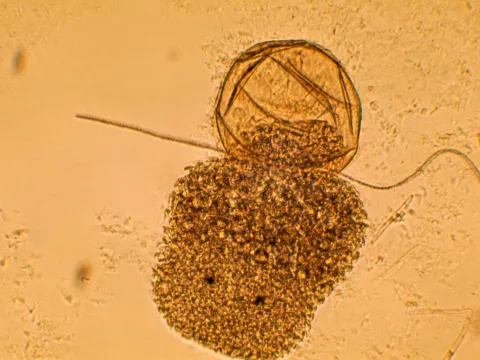
Phytophthora vesicula
Phytophthora vesicula
Phytophthora vesicula is a pathogen belonging to the Oomycete class, specifically known for its impact on various plant species. This organism is recognized for its ability to produce distinctive vesicles during the formation of zoosporangia, which distinguishes it from other related species.
What the section contains
Phytophthora vesicula
The life cycle of this pathogen involves both sexual and asexual phases. The production of oospores, which are thick-walled survival structures, allows the pathogen to persist in soil and infected plant debris for extended periods, even in the absence of a host.
Upon activation, the pathogen releases motile zoospores that require free water to move and infect host tissues. The ability to utilize aquatic pathways makes this pathogen particularly aggressive in water-logged conditions.
The pathogen primarily enters plants through natural openings like stomata or through existing mechanical injuries. Once inside, it utilizes haustoria to extract nutrients from plant cells, leading to tissue damage.
Research into the genomic diversity of Phytophthora vesicula continues to provide insights into how it adapts to different host resistances. Understanding these mechanisms is crucial for developing integrated pest management strategies.
The first signs of infection typically manifest as dark, water-soaked spots on the leaves. These lesions often expand rapidly, turning brown or necrotic as the tissue dies due to the pathogen's activity.
During periods of high humidity, a thin, white mycelial growth may appear on the underside of the leaves. This indicates active sporulation, which facilitates the secondary spread of the disease to adjacent healthy plants.
Stem infections can lead to the formation of girdling lesions or cankers. When these lesions encircle the stem, they disrupt the plant's vascular system, causing wilting and eventual death of the foliage above the infection point.
Fruit symptoms include localized rotting, which can progress quickly, often softening the fruit and rendering it unmarketable. The visual identification of these spots is a key indicator for early intervention.
Diagnosis is sometimes complicated by the presence of other Phytophthora species. Microscopic examination is often required to observe the specific vesicular structures that confirm the presence of Phytophthora vesicula.
The development of the disease is heavily dependent on moisture. Continuous rain, heavy dew, or high humidity levels above 80% are primary environmental drivers that favor the germination and spread of zoospores.
Temperature plays a vital role in the pathogen's activity. Moderate temperatures, typically found during the transition seasons, provide the most favorable conditions for rapid colonization and development.
Free water on the foliage surface is essential for the pathogen to successfully penetrate the plant. Lack of proper air circulation within a crop canopy keeps the leaves wet for longer periods, thereby increasing the risk of infection.
Poor soil drainage and water stagnation exacerbate the impact of Phytophthora vesicula. Standing water acts as a reservoir and a transport medium for zoospores to migrate from the soil onto the aerial parts of the plants.
Overcrowded plantings and inadequate spacing restrict airflow and maintain a microclimate of high humidity. Such environments significantly speed up the progression of the disease within an entire field.
The primary impact of Phytophthora vesicula is the reduction in plant vigor and photosynthetic capacity. By destroying leaf tissues, the pathogen limits the plant's ability to produce energy, thus stunted growth is common.
Yield loss is the most significant economic threat, as both the quantity and quality of the harvest are compromised. Severe outbreaks can lead to total crop failure if left unmanaged.
The ability of the disease to spread rapidly through water movement can lead to devastating localized epidemics. Once established, the pathogen is difficult to eradicate completely from the soil environment.
In addition to immediate losses, the presence of the pathogen imposes restrictions on future planting choices, necessitating a long-term strategy for crop rotation to reduce the soil-borne inoculum.
The contamination of fruit and produce leads to post-harvest losses, as infected goods decay quickly during transit or storage. This makes the disease a major concern for both commercial growers and small-scale farmers.
Integrated management is essential for controlling Phytophthora vesicula. A primary practice is the implementation of long-term crop rotation, avoiding susceptible host species for several seasons to decrease soil pathogen levels.
Using certified, disease-free seeds and transplants is the first line of defense. Seed treatments can further protect young plants from soil-borne infections during the critical early stages of development.
- Improve soil drainage to prevent water pooling.
- Maintain adequate plant spacing to facilitate air movement.
- Remove and destroy all infected plant material promptly.
- Apply targeted fungicides based on disease forecasting models.
- Choose resistant or tolerant varieties whenever available.
Regular field scouting is highly recommended, particularly after rainy spells. Early detection allows for the localized application of control measures before the infection spreads across the entire crop.
Improving the overall health of the soil and plants through balanced fertilization and proper moisture management can strengthen the natural resistance of the crop against the pathogen.