
Phytopythium
Phytopythium
Phytopythium is a genus of plant pathogenic oomycetes that cause severe root decay in a wide range of agricultural and horticultural crops.
What the section contains
Phytopythium
These organisms are distinct from true fungi, as they belong to the Stramenopila group, possessing complex life cycles involving zoospores.
The taxonomic classification of Phytopythium has shifted over time, as these pathogens exhibit both Pythium-like and Phytophthora-like characteristics.
They reproduce via motile zoospores, which utilize flagella to swim through the water film in the soil to reach plant roots and initiate infection.
Oospores serve as the survival stage of the pathogen, allowing it to persist in the soil for several years even in the absence of a host crop.
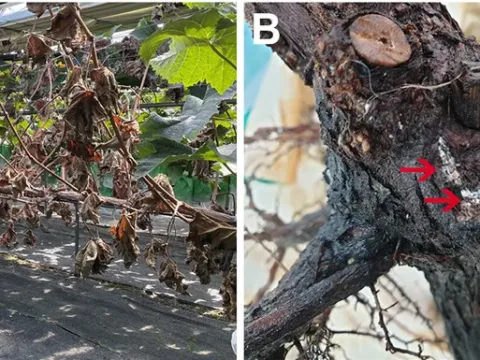
The primary symptom is the necrosis of the root system, where roots turn brown, appear water-soaked, and eventually rot away entirely.
Plants affected by Phytopythium show symptoms of wilting even when soil moisture is adequate, as the root system fails to uptake water.
Stunted growth, yellowing (chlorosis) of the foliage, and general lack of vigor are typical signs observed in the early stages of infestation.
In seedlings, "damping-off" occurs where the stems collapse at the soil surface, leading to rapid death of the entire young plant.
A distinctive feature of advanced rot is the easy sloughing off of the outer cortical layer of the root, leaving the inner stele exposed.
Excessive moisture and poor soil drainage are the most significant environmental factors promoting the development of Phytopythium.
The pathogen thrives in cool to moderate temperature regimes where soil saturation is maintained for prolonged periods, facilitating zoospore dispersal.
Compacted soil creates anaerobic conditions that stress the plant roots and make them more susceptible to colonization by the oomycete.
High levels of organic matter in the soil can sometimes support the survival of the pathogen, especially if drainage remains poor.
In indoor setups, recirculating nutrient solutions in hydroponics can rapidly transmit the pathogen from a single plant to the entire greenhouse crop.
The economic impact of Phytopythium is significant, as it leads to widespread crop failure and reduced yields in various global farming systems.
Root destruction compromises the plant's ability to acquire water and essential minerals, leading to irreversible yield losses throughout the season.
Secondary infections by other opportunistic pathogens often occur in root zones weakened by Phytopythium, complicating treatment and identification.
Infested soils remain problematic for subsequent plantings, necessitating expensive soil treatments or the implementation of strict crop rotation programs.
In high-tech hydroponics, the presence of Phytopythium can force the complete shutdown of a facility to disinfect the water distribution systems.
Integrated pest management (IPM) is essential, starting with the use of pathogen-free seeds and certified disease-free nursery stock.
Improving soil structure and ensuring proper drainage are crucial to prevent the standing water needed for the pathogen to move.
Chemical control involves the application of specialized fungicides that target oomycetes, specifically systemic products designed for soil application.
Biological control agents, particularly certain strains of Trichoderma and beneficial bacteria, have shown promise in protecting the root zone.
- Maintain proper sanitation in greenhouses.
- Disinfect irrigation and hydroponic equipment regularly.
- Implement long-term crop rotation cycles.
- Monitor soil moisture to prevent waterlogging.