
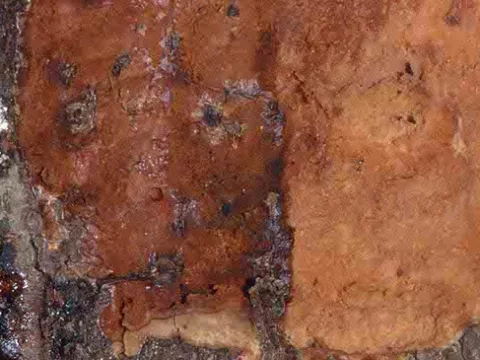
Phytophthora mengei
Phytophthora mengei
The causative agent of the disease is the oomycete Phytophthora mengei. This pathogen belongs to the group of pseudo-fungi, which actively develop in conditions of high soil and air humidity.
What the section contains
Phytophthora mengei
Biologically, this organism is closely related to other species of Phytophthora that cause root rots and lesions on the aerial parts of plants. Its life cycle includes the formation of zoospores, which are capable of moving actively in an aquatic environment to search for a host.
The pathogen persists in the soil in the form of oospores, which have high resistance to adverse external factors. They can remain in the substrate for a long time, waiting for the right conditions to begin infecting roots or the root collar.
The mycelium of the fungus penetrates plant tissues through micro-cracks or natural openings. Once inside, the parasite begins to destroy cells, utilizing their resources for further vegetative reproduction and the formation of new spores.
In the course of its activity, Phytophthora mengei releases specific enzymes that cause tissue necrosis and suppression of the physiological processes of the infected host.
The primary sign of infection is the wilting of the plant, which does not improve even after watering. The leaves begin to lose turgor, turn yellow, and gradually dry out, signaling a disruption in nutrient supply.
Characteristic dark spots or foci of rot are observed on the root system and in the root collar area. The affected tissues become soft, develop a watery appearance, and emit a specific smell of decomposition.
Upon examination of the root system, one can notice the dieback of small feeder roots, leading to a critical deficit of moisture and mineral elements. In some cases, there is a discoloration of the vascular bundles on the stem cross-section.
Under conditions of high humidity, a barely visible whitish or greyish bloom may appear on the surface of the affected areas. This indicates active spore production by the fungus, which promotes further spread of the infection.
An advanced stage of the disease inevitably leads to plant death, as the root system is completely destroyed and ceases to perform its function of water transport.
The main factor for the development of Phytophthora mengei is excessive soil moisture. Waterlogging after heavy rainfall or improper irrigation creates an ideal environment for zoospore germination.
The optimal temperature range for the active spread of the pathogen is between +18 and +25 degrees Celsius. In this temperature range, the life cycle of the pathogen is significantly accelerated.
The presence of large amounts of organic debris in the soil creates a favorable substrate for the survival of oospores. Lack of crop rotation also contributes to the accumulation of an infection background in a specific area.
Heavy soils prone to compaction are less aerated and retain moisture longer. This significantly increases the risk of plant infection by phytophthora in agrocenosis conditions.
Poor ventilation of plantings and high crop density also favor the pathogen, as they maintain consistently high humidity around the stems.
The main danger of phytophthora is the rapid destruction of the root system. This makes the plant unable to resist stress and leads to its rapid demise.
The disease leads to a sharp decrease in yield, as affected specimens stop forming quality fruits. In cases of systemic field infection, production losses can range from 30 to 80 percent.
The spread of the pathogen through contaminated soil and water makes control extremely difficult. The infection can be carried by tools, workers' footwear, and planting material.
An infestation of Phytophthora mengei requires expensive protective measures, which increases the production cost of agricultural produce.
The longevity of resting spores in the soil poses a threat to future seasons. This forces agronomists to exclude infected areas from crop rotation for several years.
The primary protective measure is strict adherence to crop rotation. It is necessary to avoid growing susceptible crops in the same location more often than once every 3-4 years.
It is important to use only healthy, certified planting material. Before planting, it is recommended to apply fungicidal treatment to seeds and seedlings for infection prevention.
Drainage systems and proper irrigation regimes play a key role in prevention. It is necessary to prevent water stagnation in the field and ensure adequate soil drainage.
The use of modern copper-based fungicides or specific anti-oomycete preparations allows for effective control of infection development in the early stages.
- Removal and destruction of diseased plants along with a soil ball.
- Regular disinfection of garden tools and equipment.
- Application of organic fertilizers with high content of antagonistic microflora.
- Monitoring humidity levels in greenhouses using ventilation systems.