
Holly phytophthora blight
Phytophthora ilicis
The causative agent of this disease is the oomycete Phytophthora ilicis, a pathogen specifically adapted to infect various species of the Ilex genus.
What the section contains
Holly phytophthora blight
As an oomycete, it thrives in wet conditions and relies on the movement of zoospores through water films to reach healthy leaf and stem surfaces.
The pathogen is highly persistent, capable of surviving in soil and leaf debris for several seasons, waiting for favorable conditions to initiate a new infection cycle.
Spores are typically dispersed through splashing water during heavy rain, which transports the pathogen from the ground to the lower foliage of the holly shrub.
Understanding the life cycle of Phytophthora ilicis is essential for effective management, as it distinguishes this organism from true fungi, often requiring different treatment approaches.
The primary symptom includes the formation of dark, purple-to-black spots on leaves, often accompanied by a distinct yellow halo around the infected area.
A classic sign of this blight is significant and rapid leaf drop, which often occurs even when the leaves appear partially green, indicating systemic infection of the petiole.
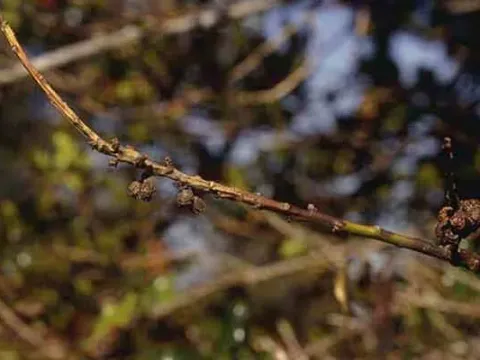
On stems and branches, the disease causes dark, sunken lesions or cankers, which can eventually girdle the stem and lead to the death of the distal part of the branch.
Under high-humidity conditions, a thin, whitish layer of mycelium may develop on the undersides of leaves or within the cankered areas, signaling active sporulation.
- Dark necrotic leaf spots.
- Premature leaf defoliation.
- Cankers on branches and stems.
- Dieback of terminal growth.
- Wilting of infected branches.
This disease flourishes during cool, wet weather, particularly during the autumn and winter months, which provides the necessary moisture for spore activity.
Poor air circulation, often caused by overly dense planting or lack of proper pruning, allows moisture to linger on foliage, creating a perfect environment for the pathogen.
Waterlogged soil conditions significantly increase the risk of infection, as saturated roots weaken the plant's overall health and provide a pathway for Phytophthora to spread.
Physical injuries to the bark or leaves, whether from insect pests, severe weather, or improper pruning, provide entry points for the pathogen to invade the plant tissue.
Mild temperatures (ranging from 10°C to 18°C) are considered optimal for the rapid germination and colonization of Phytophthora ilicis on host plants.
The blight is highly damaging to the aesthetic quality of holly, which is prized for its evergreen foliage, especially during the holiday season.
Left untreated, the infection can become systemic, leading to the gradual decline and eventual death of the entire plant, particularly in young or stressed individuals.
The pathogen is highly contagious within a planting, often leading to rapid spread across a landscape or nursery, resulting in significant loss of plant material.
Infected plants may experience severe stunted growth and reduced vigor, making them more susceptible to subsequent attacks by secondary pests and diseases.
In commercial nurseries, outbreaks can lead to major economic losses due to the need for strict quarantine measures and the disposal of infected stock.
Cultural control is the first line of defense, which involves pruning to improve air circulation and promptly removing and destroying all infected plant parts.
Sanitation is critical; all fallen leaves and debris should be raked away and discarded to reduce the primary inoculum load on the soil surface.
Chemical control involving fungicides containing copper or other systemic agents can be effective if applied early enough to prevent the spread of the pathogen.
Proper landscape management, including excellent drainage and avoiding overhead irrigation during peak disease risk periods, helps maintain plant health.
Always disinfect pruning tools with a bleach solution or alcohol between plants to prevent the mechanical transmission of Phytophthora ilicis in the field.